We've updated our website. Please let us know if you come across any glitches.

Eczema is one of those horrible conditions where there is no one treatment which works for everybody. Annoying as it is, you will probably have to try lots of different things – ruling out particular foods, washing powders, fabric types – before you find the best way to prevent or alleviate the symptoms of eczema.
That’s why it is helpful to know of all possible preventions, remedies and treatments in order to see what works (if anything) for your child. If, like many parents, you’re constantly researching possible treatments for eczema, you’ll probably be aware of certain ‘alternative’ remedies like Aloe Vera which do, thankfully, seem to work for some children.
Along the same lines, there has been much discussion about the potential benefit of probiotics in treating eczema, and herein lies the good news. Recent research has found that certain probiotics can be helpful in the treatment of eczema.
Probiotics are live bacteria and yeasts, often referred to as “good” bacteria that provide health benefits when consumed. They help restore the natural balance of the gut microbiome, which can be disrupted by illness, poor diet, or antibiotics. We typically think of probiotics as fermented foods, like yogurt and kefir, but probiotics are actually just the bacterial component of these foods.
Probiotics are also available as food supplements, typically in powder or capsule form. These supplements are single bacteria strains or combinations of strains specifically chosen for their perceived benefits. Probiotic supplements are typically designed to support digestion. While these probiotic blends are usually based on good scientific evidence, they are not medicines and should not be treated as such.
Probiotics can also be used topically, i.e. directly onto the skin, in order to rebalance the skin’s microbiome. Topical probiotic skincare products can also contain prebiotics (food for your skin’s bacteria) or probiotic lysates (fermented, inactive bacterial by products) as well as the live bacteria. These products are typically designed to treat skin inflammation and to support the skin barrier.
Studies have found significant differences between the gut microbiome of babies and children with eczema compared to their healthy peers. Eczema kids not only have reduced overall diversity in their gut biome but also increased colonisation by bad bacteria and reduced levels of good bacteria1. In healthy children, the by-products of the good bacteria prevent excessive inflammation, promote immune tolerance, protect against autoimmune responses and strengthen the gut barrier. In contrast the by-products of the bad bacteria promote inflammation2. The imbalance of the gut biome in eczema sufferers is thought to result in high levels of inflammation and leakage of allergens from the gut into the bloodstream (read more about leaky gut here).
The skin biome describes the ecosystem of microorganisms that live on the skin’s surface. It works as a protective shield by competing with harmful pathogens, maintaining skin’s acidic barrier, and communicating with your immune system to control inflammation. Typically ‘good’ bacteria consumes dead skin cells and other waste products on the skin surface keeping it smooth and clean. The by-products of these good bacteria also maintain the skin’s acidity and contribute to its moisture content. As different microorganisms have different roles in the skin’s microbiome, a healthy microbiome needs to include a mix of species.
However, not all microorganisms colonising the skin are beneficial and eczema skin is particularly prone to over-growths of the bacteria Staphylococcus aureus. This bacteria thrives on the drier skin typical of eczema sufferers, often crowding out the good bacteria. In addition, the by-products of this bacteria can further aggravate the eczema and even make it resistant to topical steroid treatments3. S. aureus overgrowths have been correlated with eczema flare-ups4 and are commonly associated with difficult to treat eczema.
The aim of topical probiotic treatment is two-fold, to increase the levels of ‘good’ bacteria and their associated benefits and to crowd out the ‘bad’ bacteria. This can be done in two ways:
The aim is to rebalance the body’s biome in favour of the good bacteria. This should reduce inflammation and irritation and allow the skin to heal.
Studies into the effectiveness of probiotics in treating eczema are currently limited and most studies are too small to draw firm conclusions. However, there are some probiotic strains, both oral and topical, that appear to show encouraging results and this is an active area of research.
It’s important to understand that different species of bacteria have a different effect on the body. In order to be effective, you need to match the species to the problem.
There can also be variation within each species. Research into a specific strain (denoted by an alphanumeric code after the species name) may not be applicable over the whole species.
You can read more about the science supporting both oral and topical probiotics in our focus articles or short cut to our product recommendations below. Note that probiotics are not a quick fix as it takes time of the new strains get established. You’ll need to allow 4-6 weeks before you can expect to see noticeable changes.
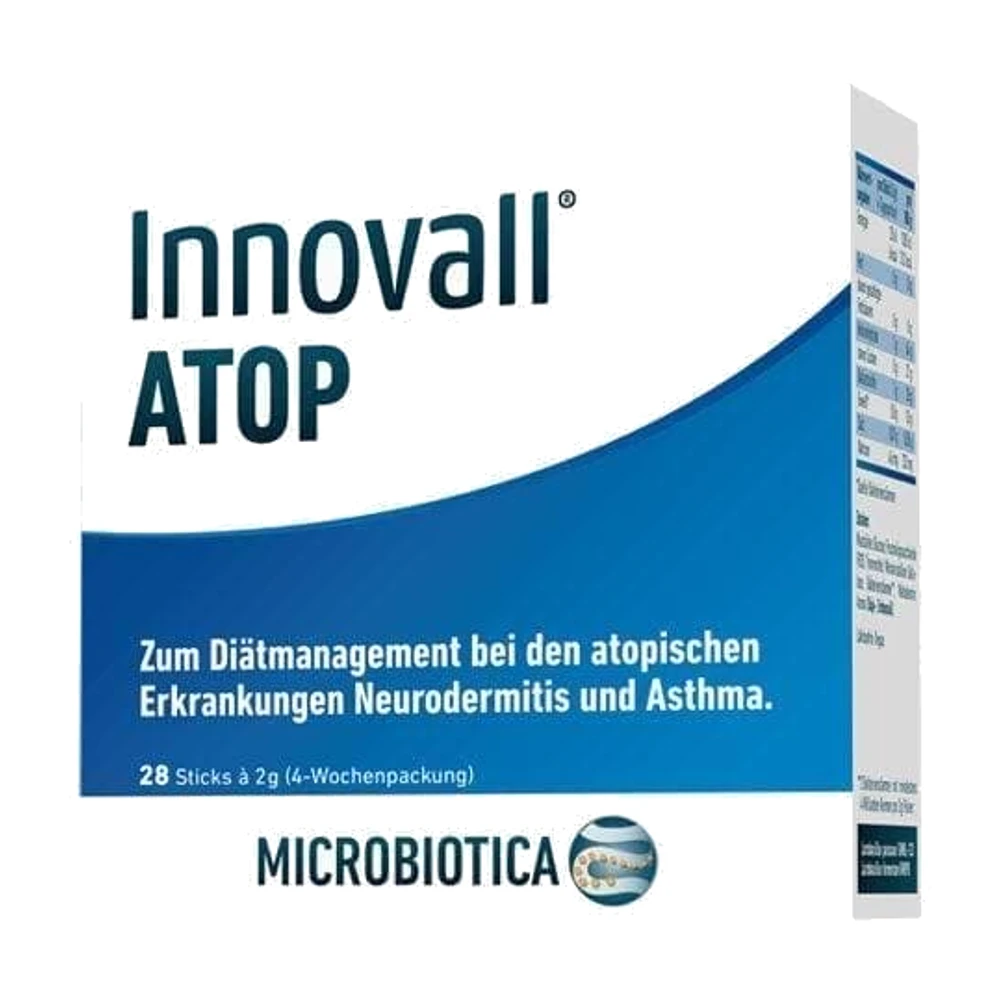

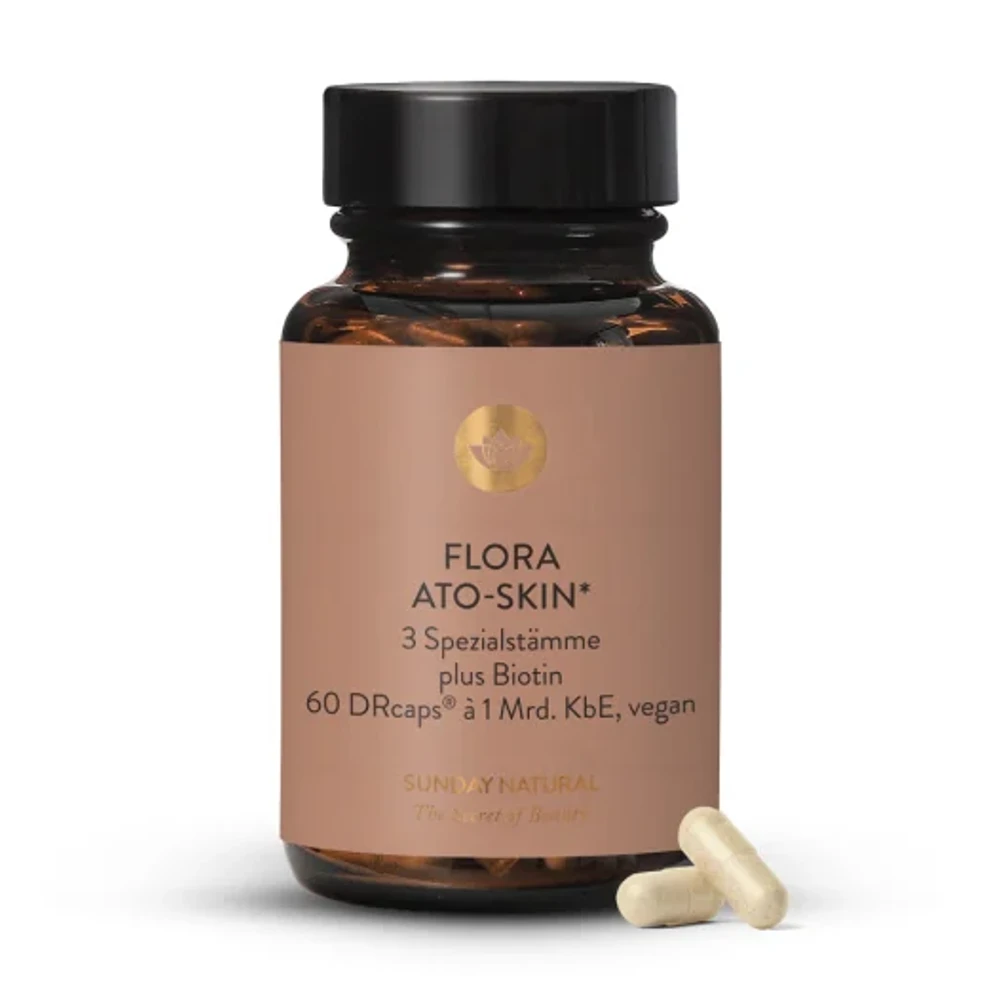
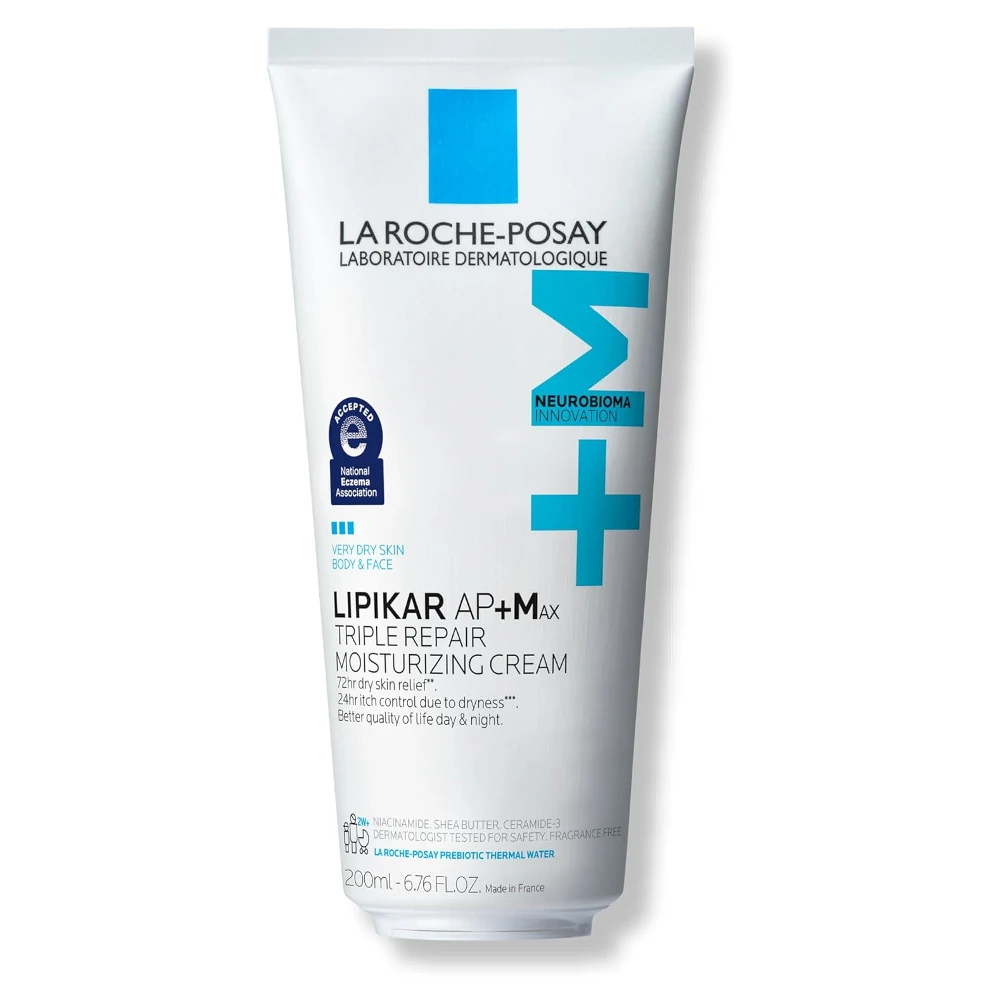
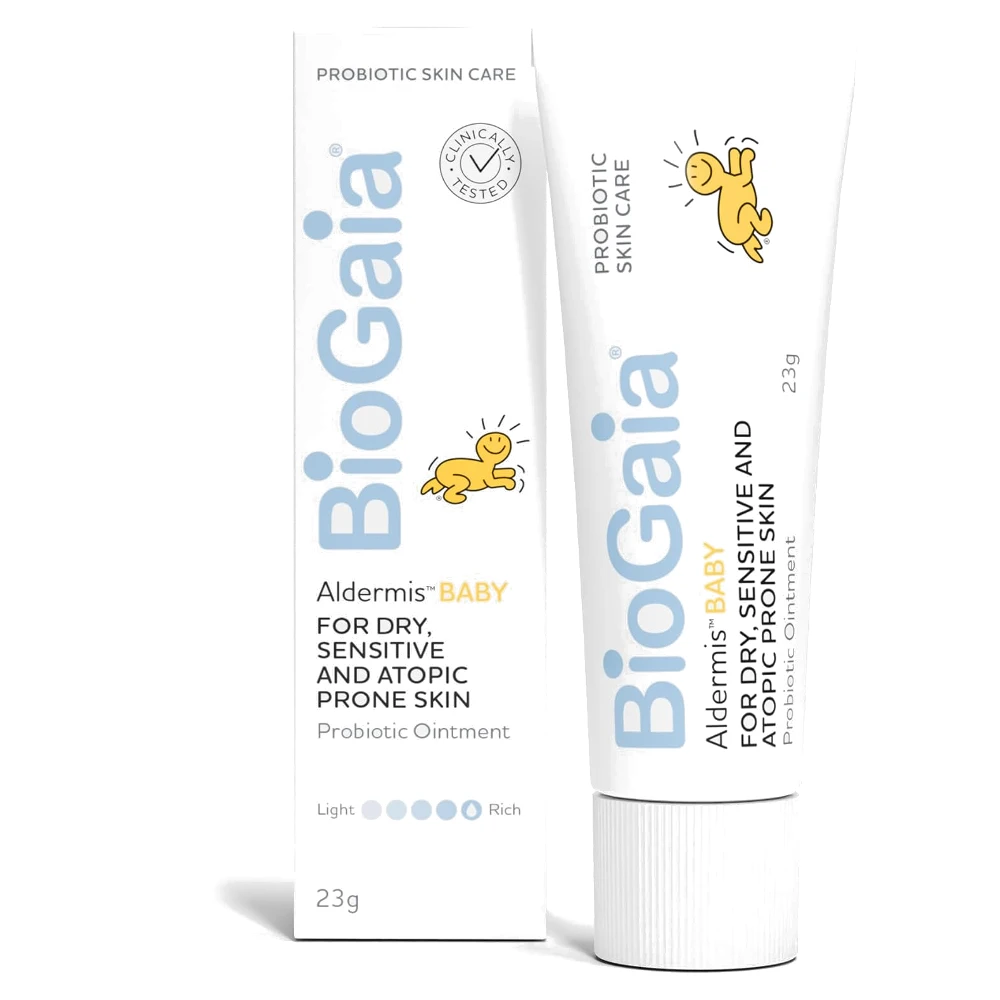
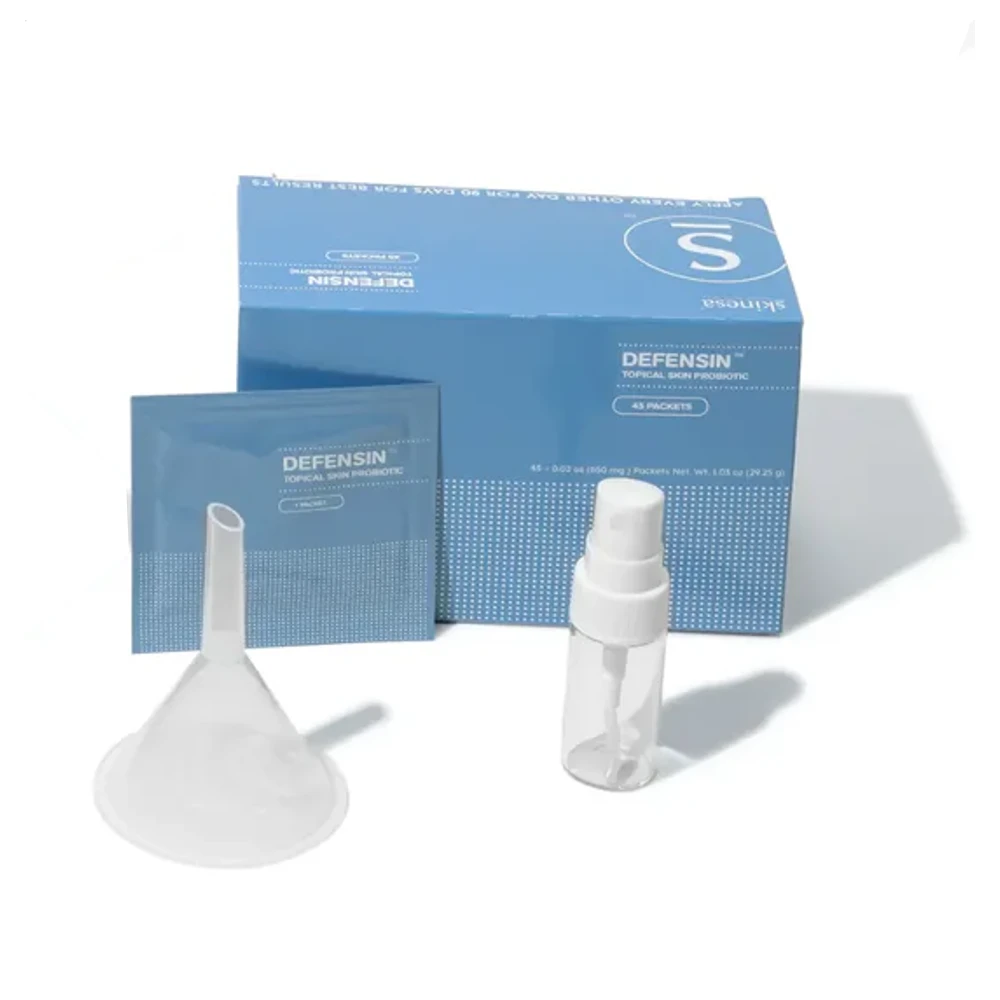
Our approach to using probiotics in treating our family’s eczema Overall, the current evidence that probiotics can be beneficial in treating eczema seems encouraging if not robustly supportive. Our view is that oral probiotics should be seen as a supplementary approach to use alongside conventional treatments. There are no reported side-effects and they will not interfere with conventional approaches. We found oral probiotics especially useful when eczema appeared alongside stomach issues (bloating, wind and persistently loose stools).
Topical probiotics can be especially useful in supporting the skin’s microbiome to recover from staph over colonisation, when the whole biome may have been wiped out by antibiotics. Our family is prone to skin infections and staph over-growths, so we have had to use topical antibiotics and hypochlorous sprays on various occasions. Using topical probiotics after infections does seem to have reduce reinfection rate.
While we haven’t used topical probiotics as a regular long-term approach to managing eczema, having researched this article we may well give them a try (especially as we are now dealing with teenage ache as well).
While the scientific evidence supporting the use of probiotics in eczema treatment is still not as strong as it could be, this seems to be down to a past lack of research rather than a lack of evidence waiting to be found.
If you have a family history of eczema and other atopic diseases you will know that your child has a higher chance of developing eczema. There is fairly strong evidence showing that taking a probiotic during the last month of pregnancy and while breast feeding reduces this risk by around 20%. The various studies have used a range of probiotic strains so it is still not completely clear which strains are more effective. Current recommendations are to take a blend of lactobacilli and bifidobacteria probiotic strains.
Tang, H., Li, W., Xu, Y., Zhou, Y., Hamblin, M. R., & Wen, X. (2025, April 28). Gut microbiota modulation: A key determinant of atopic dermatitis susceptibility in children. Frontiers in Microbiology. https://pmc.ncbi.nlm.nih.gov/articles/PMC12066585/
Ta, L. D. H., et al. (2020, November 9). A compromised developmental trajectory of the infant gut microbiome and metabolome in atopic eczema. Gut Microbes. https://pmc.ncbi.nlm.nih.gov/articles/PMC7553750/
Lin, Y., Wang, C., & Chiang, B. (2007, December). Role of bacterial pathogens in atopic dermatitis. Clinical Reviews in Allergy & Immunology. https://pubmed.ncbi.nlm.nih.gov/18163223/
Totté, J., et al. (2017, October). Prevalence and odds of Staphylococcus aureus carriage in atopic dermatitis: A systematic review and meta-analysis. The British Journal of Dermatology. https://pubmed.ncbi.nlm.nih.gov/26994362/
Wang, I.-J., & Wang, J.-Y. (2015, April). Children with atopic dermatitis show clinical improvement after Lactobacillus exposure. Clinical and Experimental Allergy. https://pubmed.ncbi.nlm.nih.gov/25600169/
Navarro-López, V., et al. (2018, January 1). Effect of oral administration of a mixture of probiotic strains on SCORAD index and use of topical steroids in young patients with moderate atopic dermatitis: A randomized clinical trial. JAMA dermatology. https://pmc.ncbi.nlm.nih.gov/articles/PMC5833582/
Seité, S., Zelenkova, H., & Martin, R. (2017, January 12). Clinical efficacy of emollients in atopic dermatitis patients - relationship with the skin microbiota modification. Clinical, cosmetic and investigational dermatology. https://pmc.ncbi.nlm.nih.gov/articles/PMC5238811/
Gueniche, A., et al. (2008, December). Effects of nonpathogenic gram-negative bacterium Vitreoscilla filiformis lysate on atopic dermatitis: A prospective, randomized, double-blind, placebo-controlled clinical study. The British Journal of Dermatology. https://pubmed.ncbi.nlm.nih.gov/18795916/.
Butler É. et al. (2020, July). Lactobacillus reuteri DSM 17938 as a novel topical cosmetic ingredient: A proof of concept clinical study in adults with atopic dermatitis. Microorganisms. https://pubmed.ncbi.nlm.nih.gov/32664536/
Khmaladze, I., Butler, Fabre, S., & Gillbro, J. (2019, April). Lactobacillus reuteri DSM 17938—a comparative study on the effect of probiotics and Lysates on human skin - Khmaladze - 2019 - experimental dermatology - wiley online library. Experimental Dermatology. https://pubmed.ncbi.nlm.nih.gov/31021014/
Myles, I., et al. (2018, May). First-in-human topical microbiome transplantation with Roseomonas mucosa for atopic dermatitis. JCI insight. https://pubmed.ncbi.nlm.nih.gov/29720571/
Myles, I., et al. (2020, September). Therapeutic responses to Roseomonas mucosa in atopic dermatitis may involve lipid-mediated TNF-related epithelial repair. Science Translational Medicine. https://pubmed.ncbi.nlm.nih.gov/32908007/
Zeldin, J., et al. (2023, January). Exposure to isocyanates predicts atopic dermatitis prevalence and disrupts therapeutic pathways in commensal bacteria. Science Advances. https://pubmed.ncbi.nlm.nih.gov/36608129/
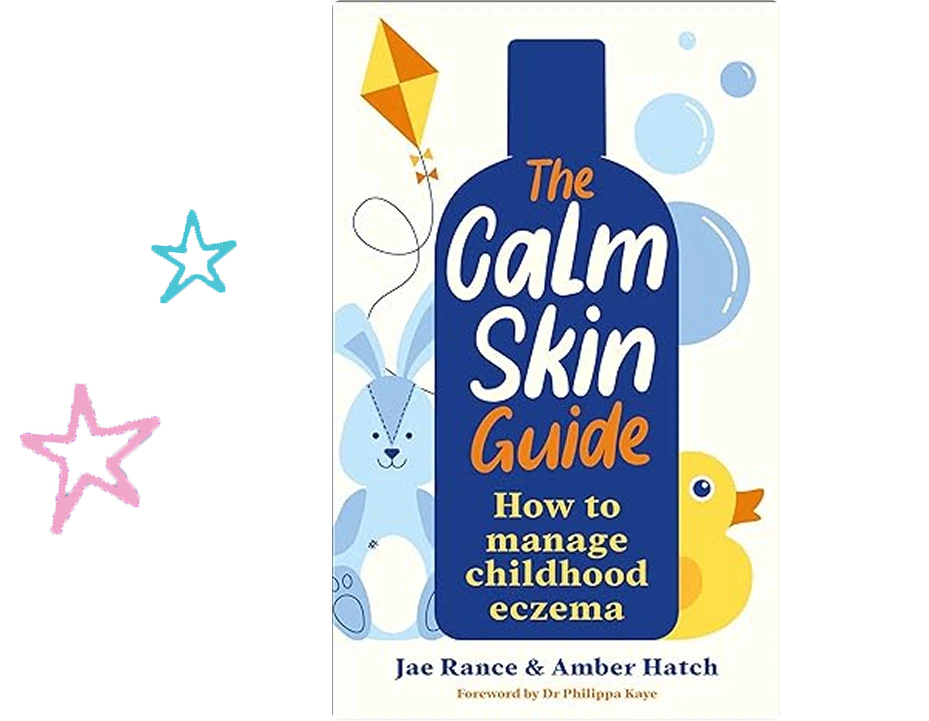
The Calm Skin Guide
Our guide gives parents the knowledge and tools to manage the condition, from understanding treatments to identifying triggers at home.
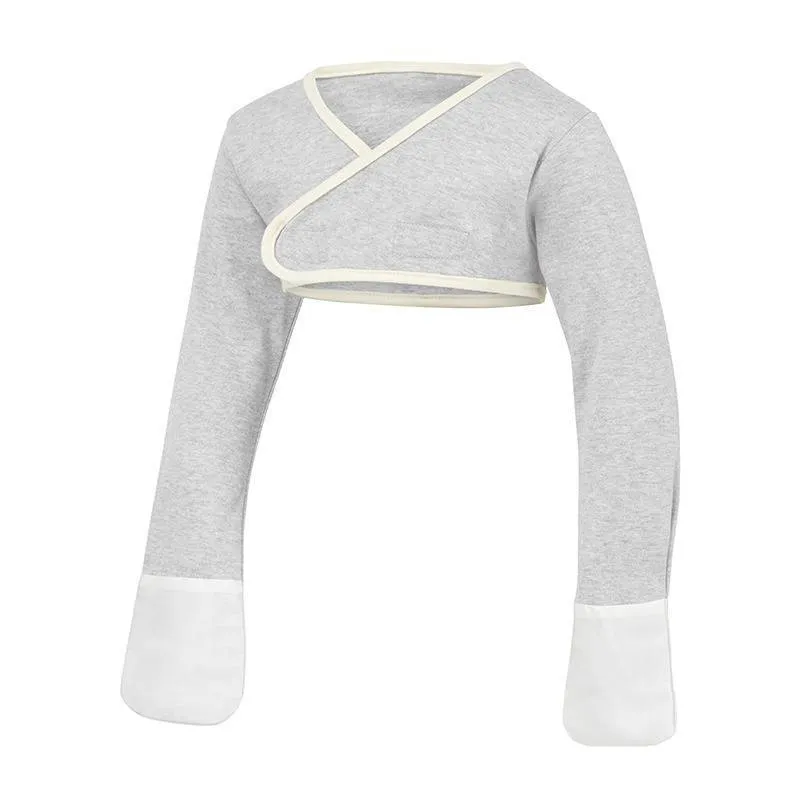
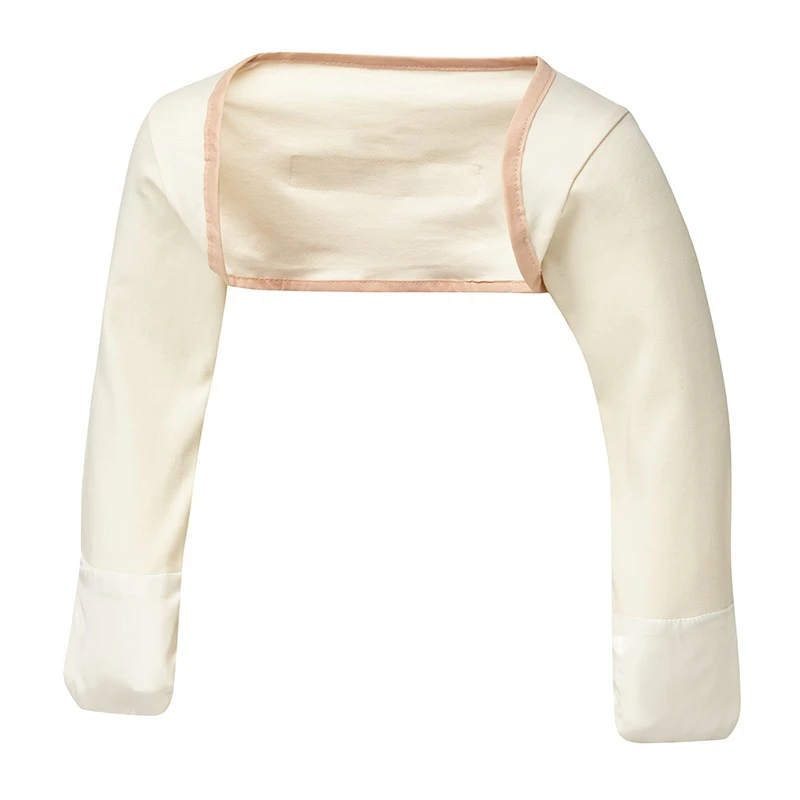
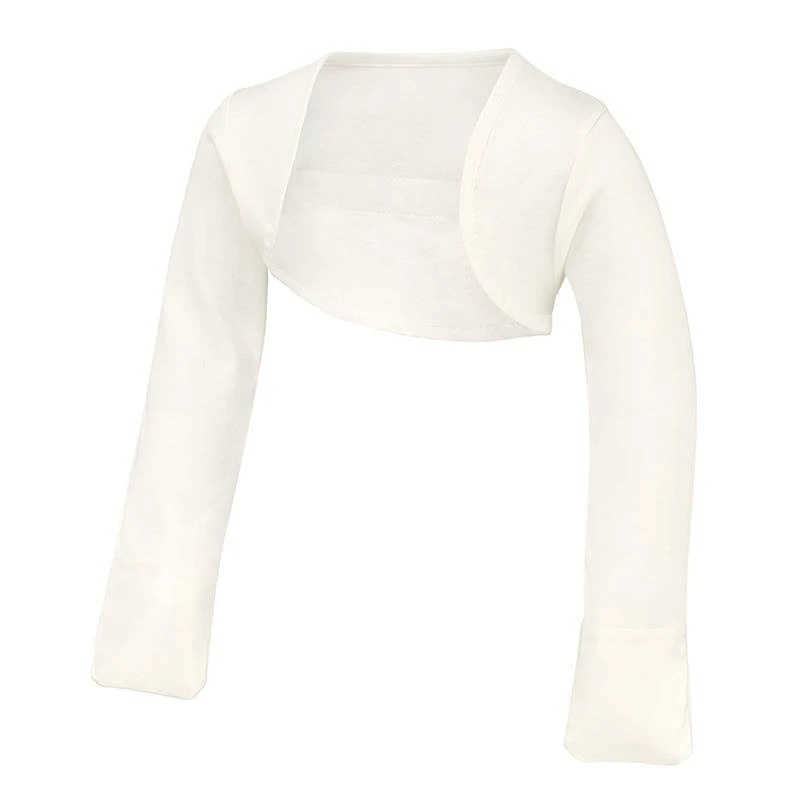
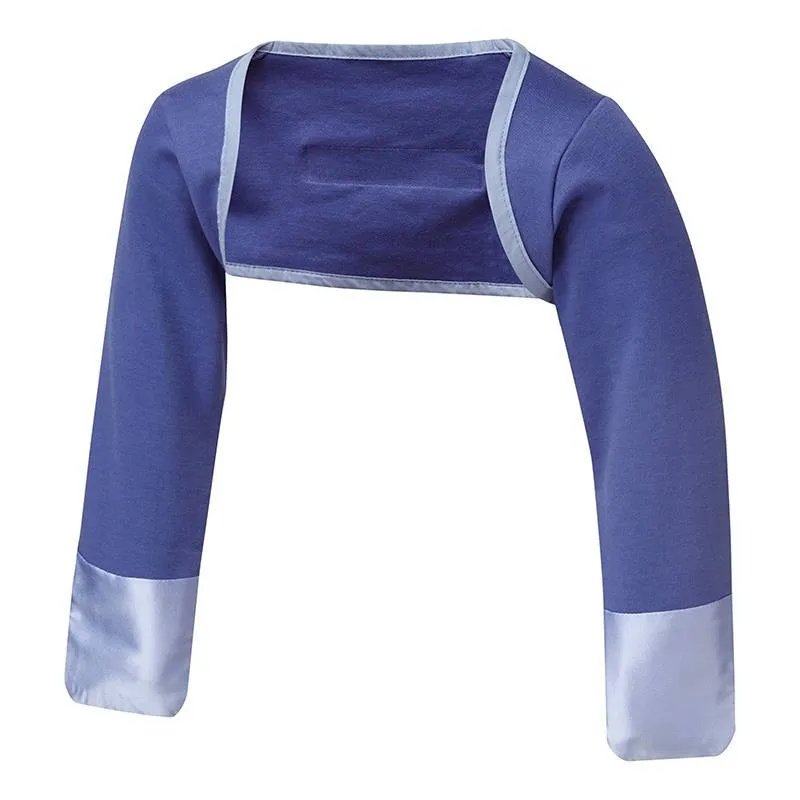
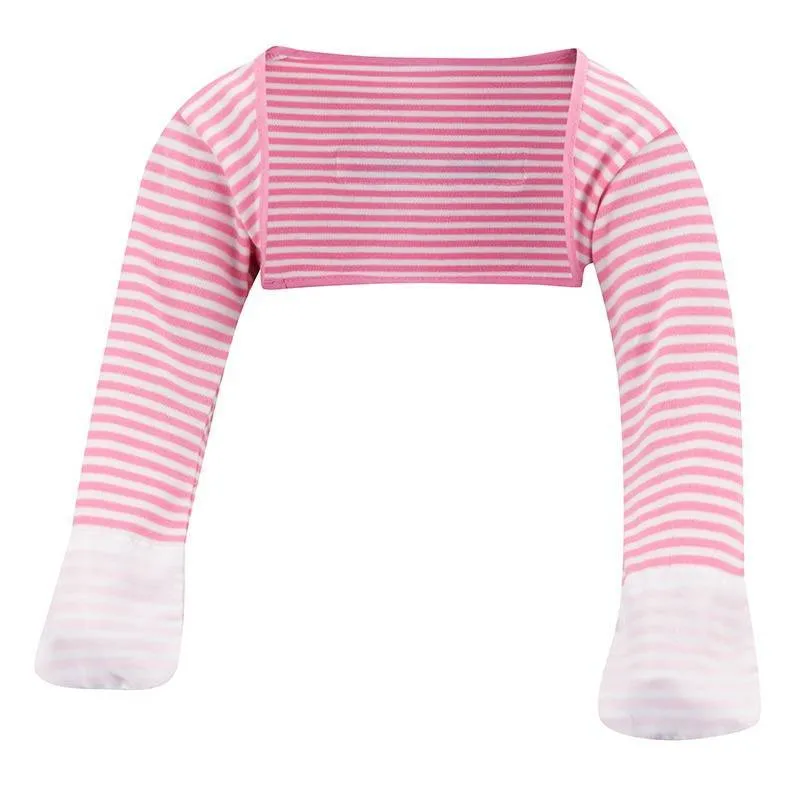
As well as sharing our experience of bringing up an eczema child (and favourite allergy-friendly recipes), we also manufacture and sell our unique stay-on scratch mitts and PJs for itchy babies, toddlers and children. We now stock sizes from 0-adult years in a range of colours and designs.
Perfect for wrigglers


SuperSensitive

Special Edition


As seen on TikTok
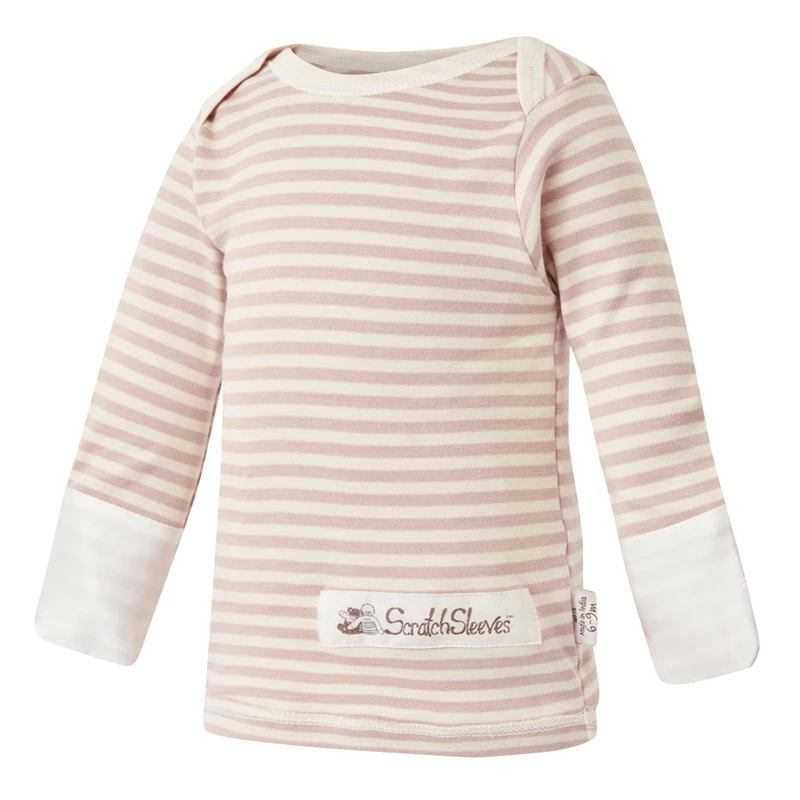
Striped PJ Tops


Perfect for wrigglers
SuperSensitive
Special Edition
As seen on TikTok
Striped PJ Tops