We've updated our website. Please let us know if you come across any glitches.
Key Takeaways
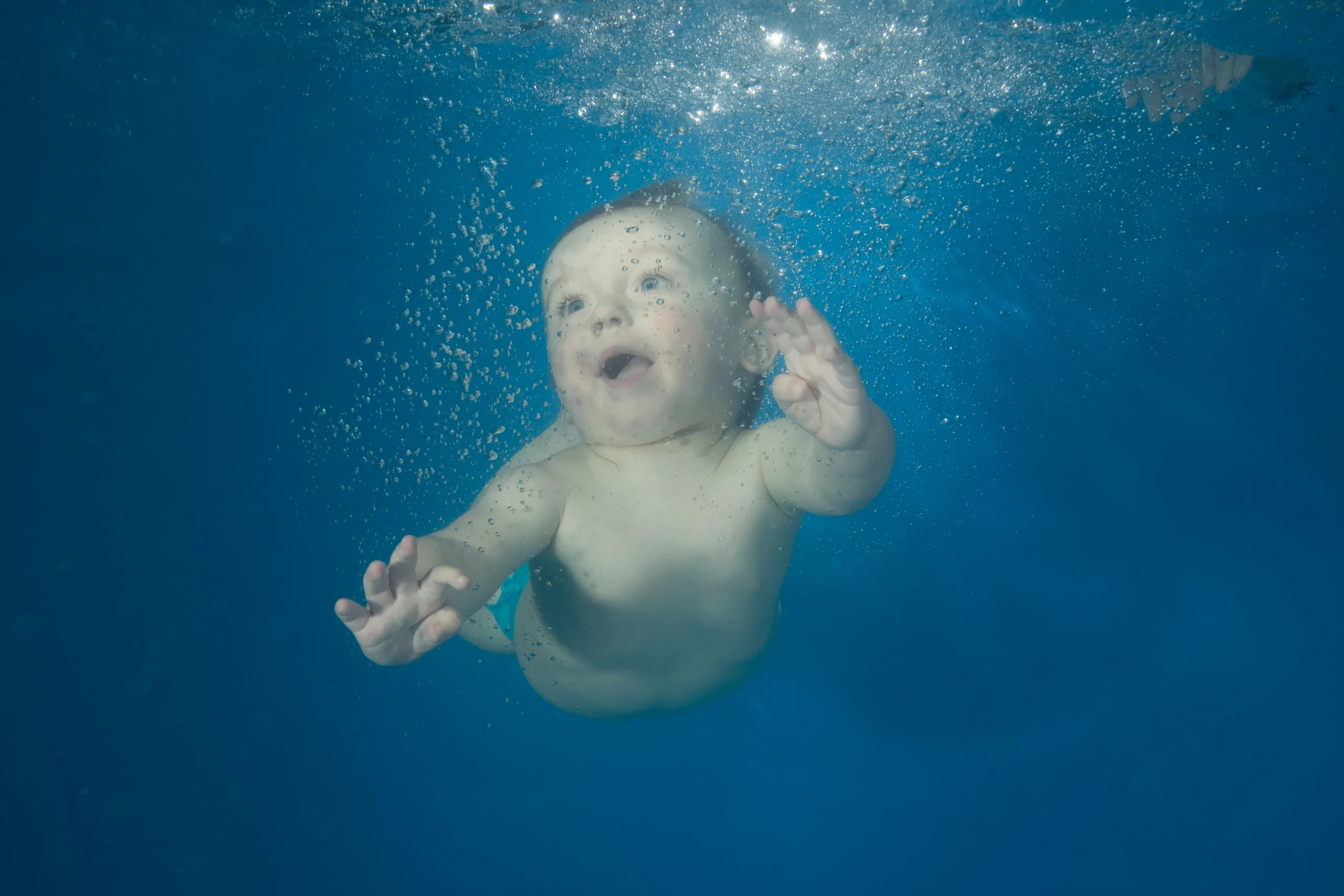
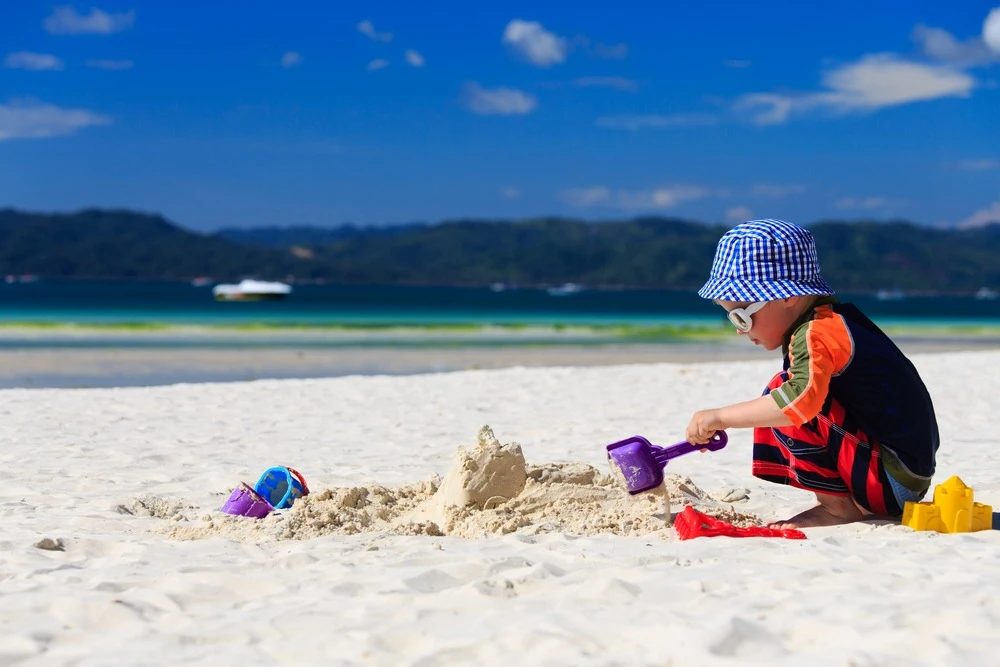
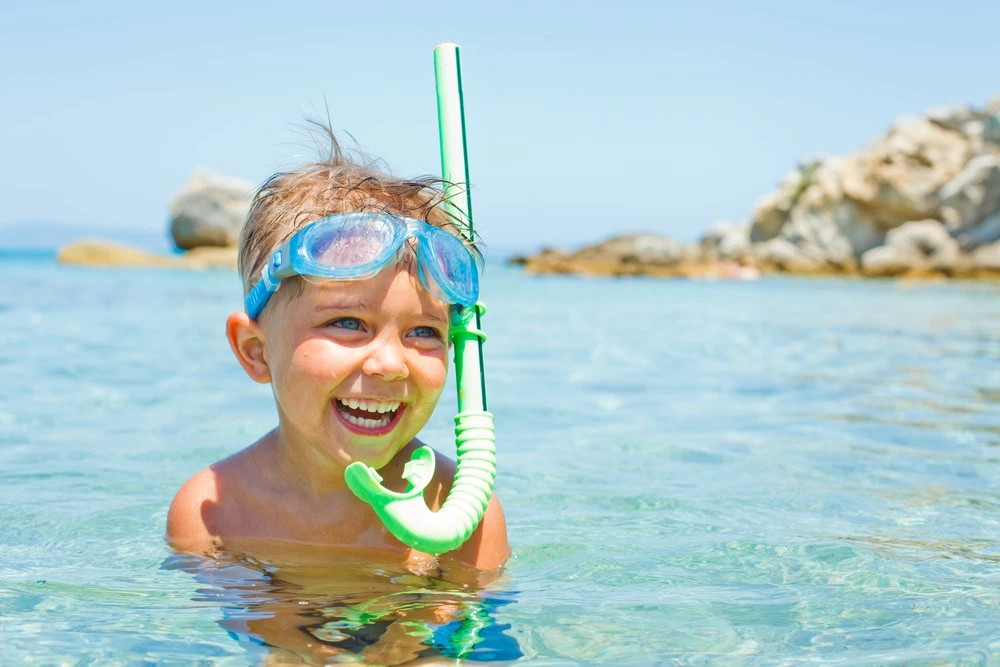
There is plenty of anecdotal evidence from parents about improvements in atopic eczema after swimming in the sea. This is consistent with our family’s experience. Grandma ScratchSleeves is sure that her childhood eczema improved after the annual week at the beach. So can eczema be improved by swimming in the sea? And is it possible to get the same benefits at home?
Firstly, of course, it would be logical to assume that the ability of salt to pull water from soft tissue would result in very dry skin. Of course this is all down to how long you bathe for… don’t stay in salty water for hours on end!
However, sea salt is packed with healthy skin-friendly minerals like magnesium, calcium, and potassium. Magnesium is an anti-inflammatory and antimicrobial mineral that can ease itching. It is also thought that the minerals in sea water are absorbed by the skin, helping to keep it soft and moisturised.
There is very little scientific research on the effectiveness of sea salt in treating eczema. The literature includes just one small study of 13 adults in Japan 1 and one laboratory study on mice2. Not surprisingly, there is also a study that highlights the risks of skin infections when swimming in questionable quality seawater3. Always check the seawater quality with the local council and water authority, especially following periods of heavy rainfall. A fourth study4 compared the effects of soaking Dead Sea salt water with soaking in tap water baths in people with atopic dry skin (i.e. controlled eczema). It found skin soaked in Dead Sea salt water became smoother with less redness and dryness.
In summary, although there isn’t a great deal of research, it does suggest that sea water bathing may be beneficial for eczema sufferers, so long as the pollution levels are low. This lack of scientific evidence appears to be due to lack of research.
However, there is plenty of anecdotal evidence suggesting that salt water bathing and baths may be helpful in clearing up eczema. This is especially true if the eczema is oozing a lot or where the secondary infection is common.
Swimming in the sea isn’t for everyone, but it is possible to get similar benefits at home:
Of course, there is a caveat. You’ve all heard the expression “pouring salt on an open wound”! There is no doubt that salt water bathing can make sensitive, damaged skin sting like crazy. In this case, either reduce the amount of salt you use or wait until the worst of a flare up is over before attempting it with your little one. According to Grandma ScratchSleeves, the first dip of the holiday was always hell. But it was worth it!
It is important to rinse with fresh water after a saltwater bath to remove any residue and prevent that scratchy “beach” feeling when you put clothes or pyjamas back on them. Pat gently with a towel and apply any emollients as usual onto slightly damp skin.
Here at ScratchSleeves, we aim to bring you trustworthy and accurate information. We collaborate with qualified dermatologists and doctors as well as drawing on peer-reviewed medical studies and our own experience as parents. All medical content is reviewed by a dermatologist or appropriate doctor prior to publication to ensure completeness, accuracy and appropriate use of medical language. Reviewer details can be found at the bottom of each reviewed post and also on our ‘Meet The Team’ page.
All scientific research referred to in our blog is found in peer-reviewed publications. All the eczema related medical articles we refer to are included in the GREAT database (Global Resource of Eczema Trials) managed by the Centre of Evidence Based Dermatology at the University of Nottingham. This database brings together information on all randomised control trials and systematic reviews of eczema treatments. Trials are identified using a highly sensitive, comprehensive search strategy that is compatible with standard Cochrane methodology. Cochrane is internationally recognised as the highest standard in evidence-based health care. Links to the publications we refer to are listed at the bottom of each article.
The original editorial information we provide is not intended to be a substitute for professional medical advice, diagnosis, or treatment. Always seek the advice of your doctor or other qualified healthcare practitioners regarding a medical condition. Never disregard professional medical advice or delay in seeking it in because of anything you have read on the ScratchSleeves blog.
The effect of balneotherapy with natural mineral dissolved water on dry skin in atopic dermatitis: A phase IIa, nonrandomized, controlled study. Journal of Cutaneous Reserach and Allergy, 2021, Uchiyama A, Fujiwara C, Inoue Y, Uchida K, Hiyama M, Itabashi H, Motegi S. https://onlinelibrary.wiley.com/doi/full/10.1002/cia2.12195
Application of concentrated deep sea water inhibits the development of atopic dermatitis-like skin lesions in NC/Nga mice. Bak J-P, Kim Y-M, Son J, Kim C-J, Kim E-H. BMC Complementary Medicine and Therapies. 2012. https://www.ncbi.nlm.nih.gov/pmc/articles/PMC3517761/
Review: Aquatic Sports Dematoses. Part 2 – In the Water: Saltwater Dermatoses. Brook E. Tlougan MD, Joshua O. Podjasek MD, Brian B. Adams MD. International Journal of Dermatology. 2010. https://onlinelibrary.wiley.com/doi/10.1111/j.1365-4632.2010.04476.x
Proksch, E, et al. “Bathing in a Magnesium-Rich Dead Sea Salt Solution Improves Skin Barrier Function, Enhances Skin Hydration, and Reduces Inflammation in Atopic Dry Skin.” International Journal of Dermatology, U.S. National Library of Medicine, Feb. 2005, pubmed.ncbi.nlm.nih.gov/15689218/.
Salt Water Baths and Eczema – Information for Parents. Nottingham Support Group for Carers of Children with Eczema. 2007
The Calm Skin Guide
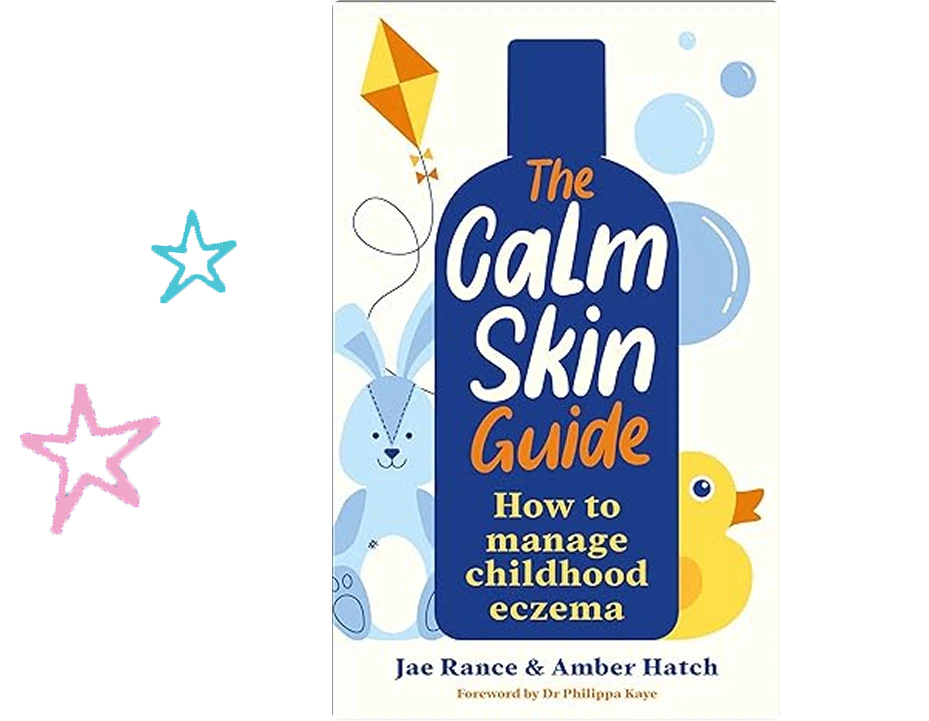
Our guide gives parents the knowledge and tools to manage the condition, from understanding treatments to identifying triggers at home.
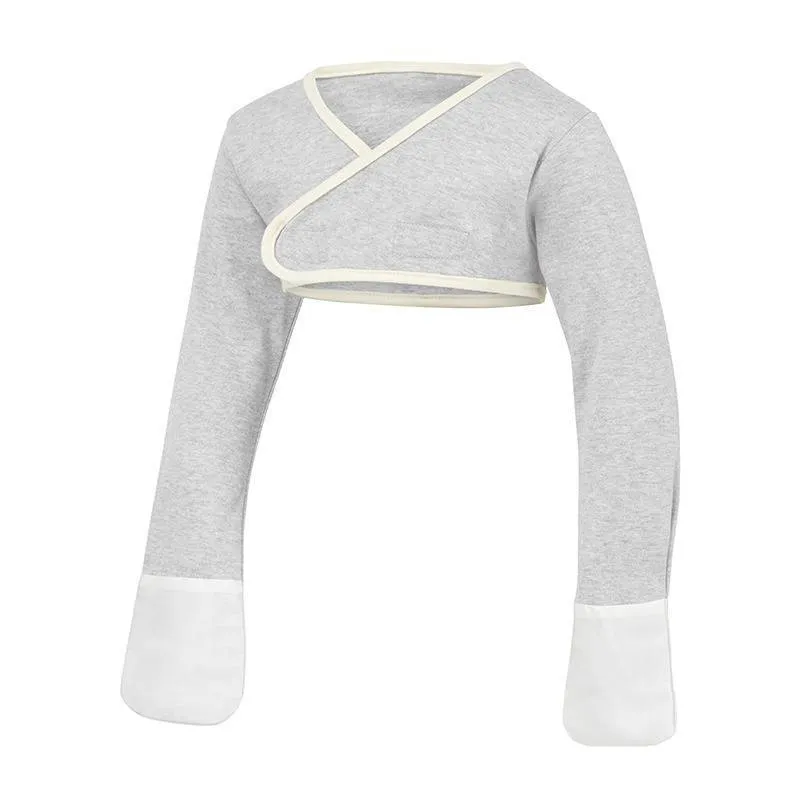
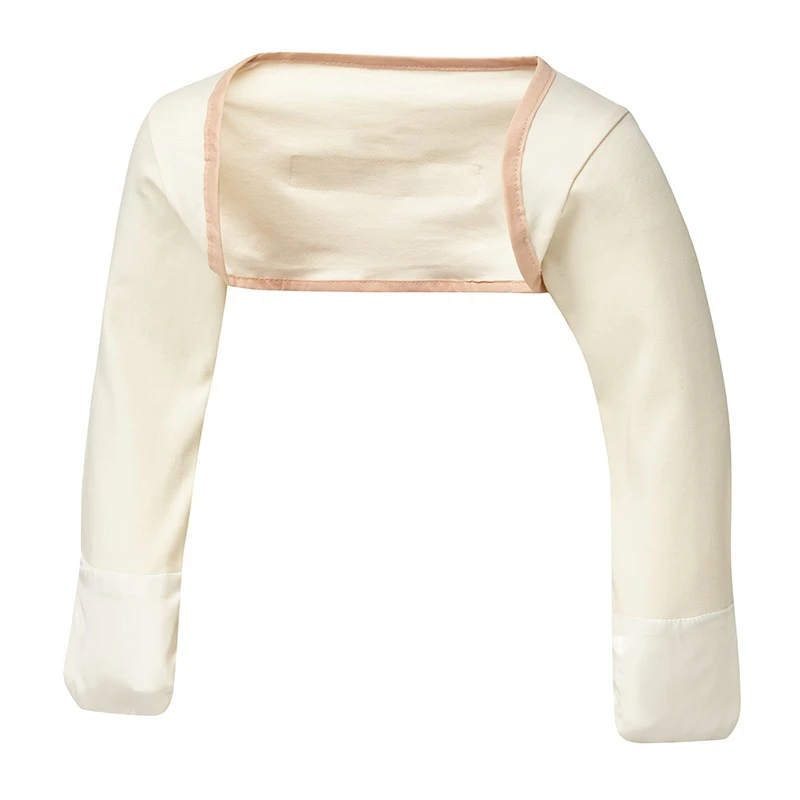
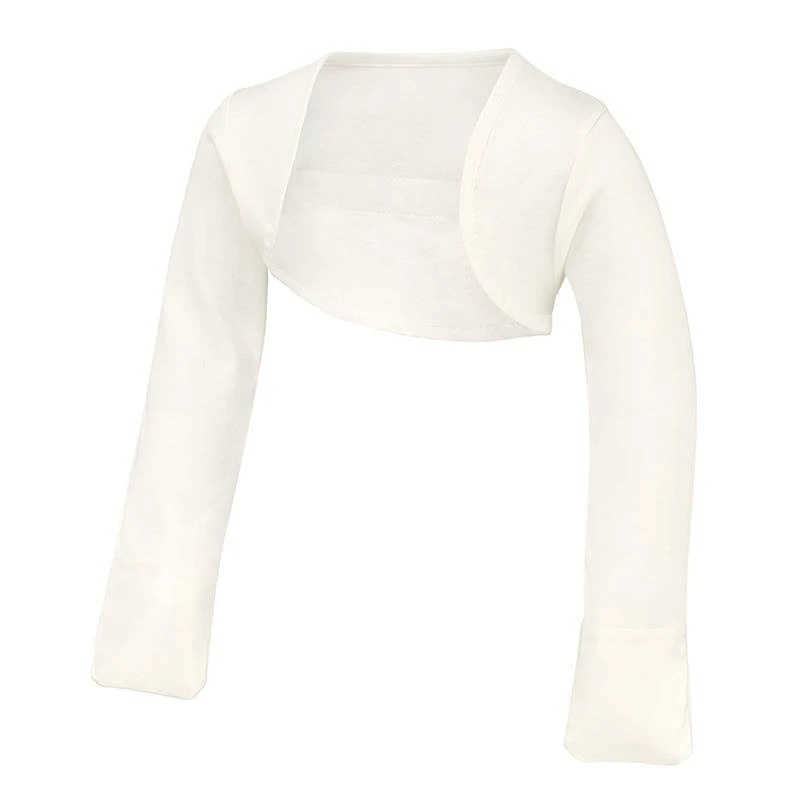
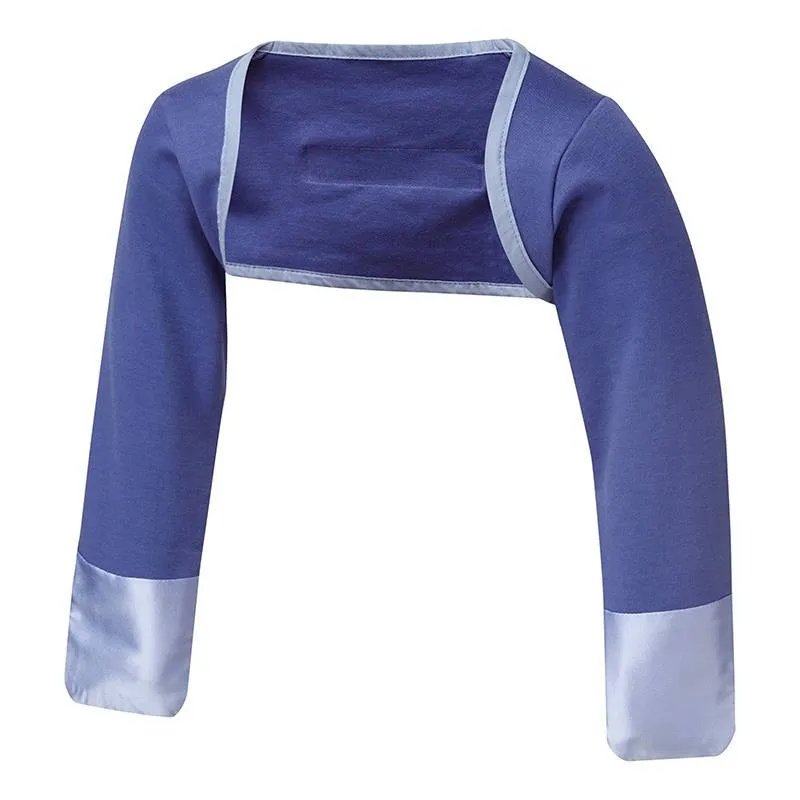
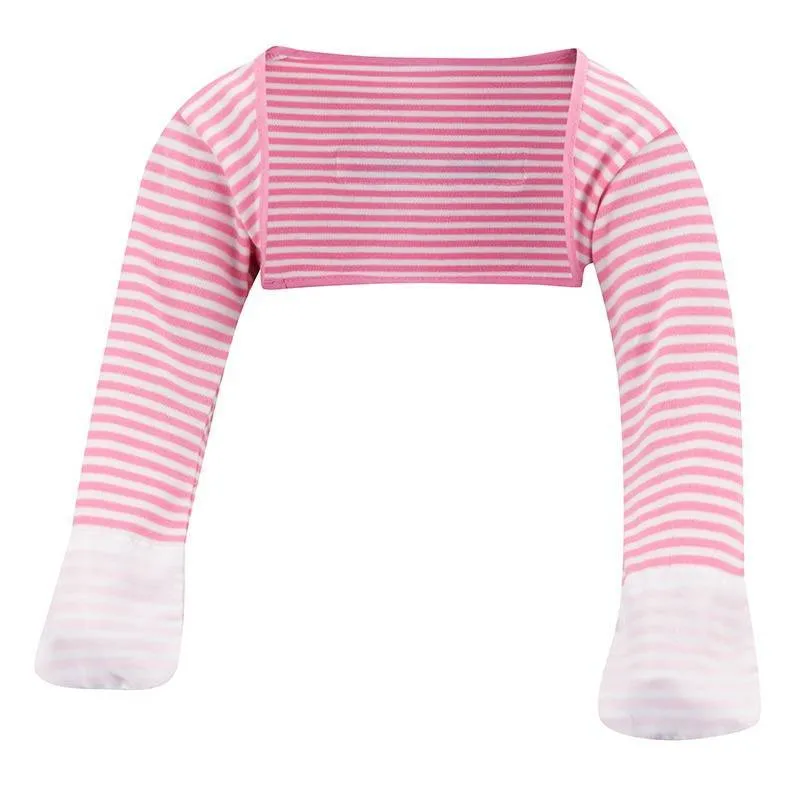
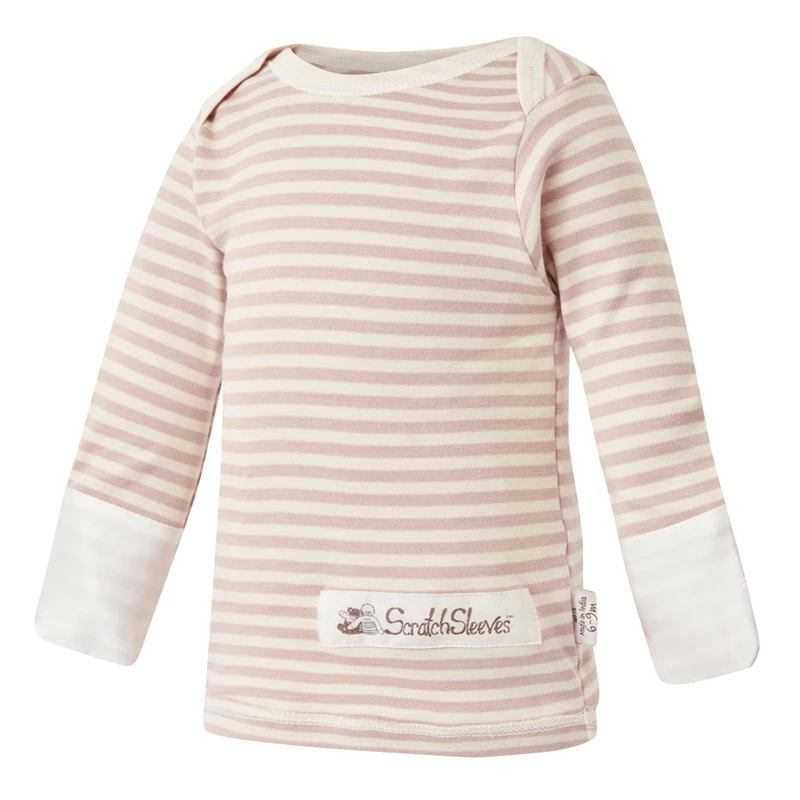
As well as sharing our experience of bringing up an eczema child (and favourite allergy-friendly recipes), we also manufacture and sell our unique stay-on scratch mitts and PJs for itchy babies, toddlers and children. We now stock sizes from 0-adult years in a range of colours and designs.
Perfect for wrigglers


SuperSensitive

Special Edition


As seen on TikTok
Striped PJ Tops


Perfect for wrigglers
SuperSensitive
Special Edition
As seen on TikTok
Striped PJ Tops