We've updated our website. Please let us know if you come across any glitches.

Key Takeaways
As the parent of an eczema child you know that all sorts of things can trigger a flare up. Toiletries, cleaning products, animal dander, washing powders… The list goes on and on. What, however, about the environment in your home? It is widely recognised that house dust mites can worsen eczema and other skin conditions. But there is another allergen lurking in your house that you might not even be aware of? Mould.
Moulds release microscopic particles, called spores, in their thousands into the air around them. These spores can cause mild to severe allergic reactions. Mould is literally everywhere, both indoors and outdoors, including inside our homes. According to the NHS, ‘moulds produce allergens, irritants, and sometimes, toxic substances.’ When mould spores come into contact with skin and membranes, they can cause rhinitis, itchy eyes, asthma, and eczema.
The NHS website also advises that babies and children may be more sensitive to mould than others. This is particularly true if they already suffer from eczema, asthma, or other allergies. According to ECARF (European Centre for Allergy Research Foundation), around 107 allergens from 43 types of mould have been identified so far. The four types of mould that have been found to most commonly cause allergies are:
Moulds flourish in damp conditions hence the wide range of different fungi we see growing on fallen logs and rotting vegetation. We are familiar with finding the furry black and white moulds on out of date food. However, you may not realise that excess moisture in buildings caused by rising damp, leaking pipes or damaged windows and roofs can lead to mould in your home as well.
Even if your home is completely dry and damp proof there are other places that mould is likely lurking. The refrigerator needs to be kept clean and dry, especially around the seal, or it is likely to harbour unwanted organisms. Window frames, wallpaper, houseplant soil, carpets and curtains all absorb condensation, meaning in the winter they are ideal breeding grounds. In addition, the warm damp atmosphere in bathrooms and around tumble driers are common problem areas.
Eczema can be triggered when airborne mould spores or their metabolic by-products interact with the skin, immune system, or respiratory system. Some people are allergic to mould, this means that when they come into contact with mould spores, their immune system produces high levels of IgE antibodies. These bind to immune cells, releasing chemicals like histamine that cause itching and skin barrier damage.
Studies such as this one1 published in The Journal of Allergy and Clinical Immunology have found that the mycotoxins released by mould can also trigger inflammation and damage the skin further.
In addition, mould on the skin can alter the skin’s microbiome and potentially weaken its physical barrier, making it more susceptible to skin irritation and damage.
Children with eczema often have open sores on their skin from scratching. Open sores can allow viruses, bacteria, and fungi to enter the skin which can result in an infection, thus worsening the eczema condition. Medical professionals believe that this can be a major contributing factor to discoid eczema or nummular dermatitis. This type of eczema, which can look very similar to ringworm, is a coin-shaped patch of dry, scaly skin which may or may not itch.
To put it bluntly, we can’t. Everyone is exposed to moulds of some form in their daily life, be in the home, at school or outside. The good news, however, is that we can minimise exposure to it by keeping it under control as much as possible.
According to the European Centre for Allergy Research Foundation (ECARF) website, ventilation and cleaning are key to minimising mould in your home.
There are simple measures we can take to reduce damp inside the house.
You can find further information on the subject of mold and eczema in this brilliant blog post by Laura Dolgy on It’s An Itchy Little World. Please click here.
You can also read about another common eczema trigger in children – house dust mite allergy.
Gepp, B., Lengger, N., Bublin, M., Hemmer, W., Breiteneder, H., & Radauer, C. (2014). Chimeras of Bet v 1 and Api g 1 reveal heterogeneous IgE responses in patients with birch pollen allergy. Journal of Allergy and Clinical Immunology, 134(1), 188–194. https://doi.org/10.1016/j.jaci.2013.12.1073
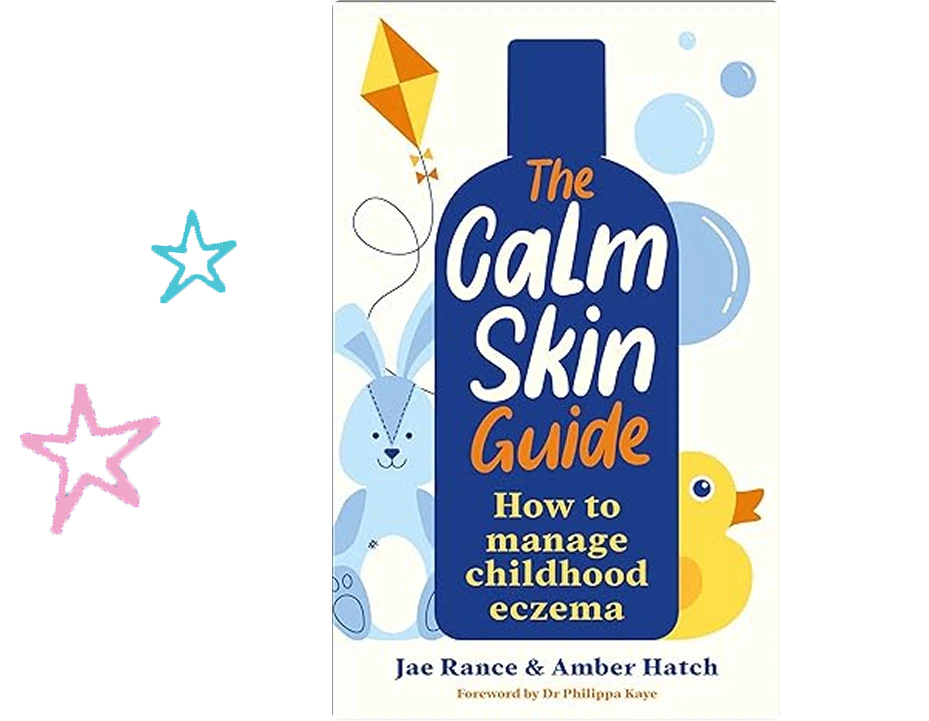
The Calm Skin Guide
Our guide gives parents the knowledge and tools to manage the condition, from understanding treatments to identifying triggers at home.
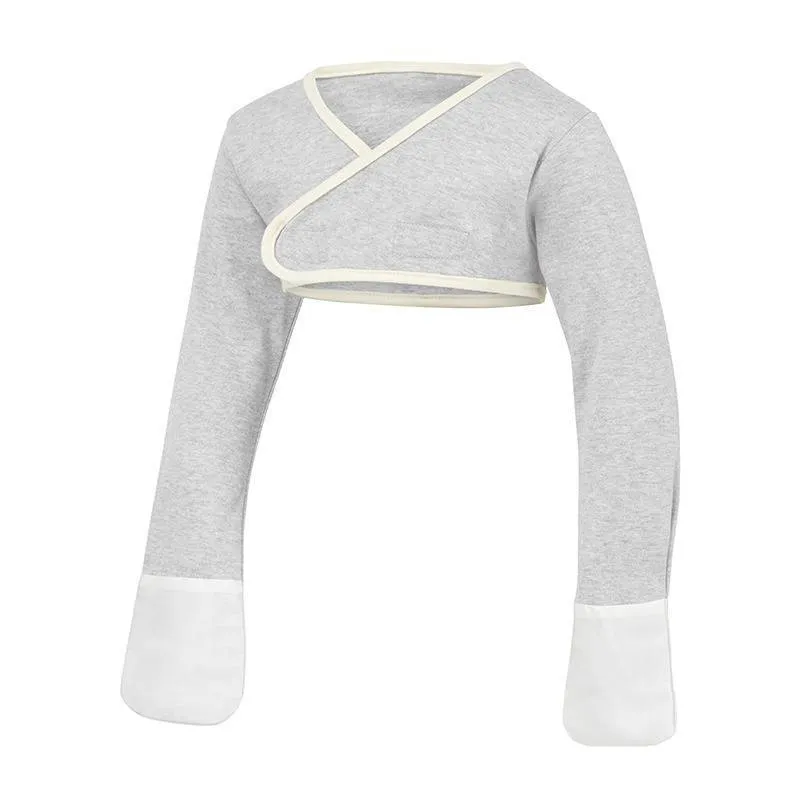
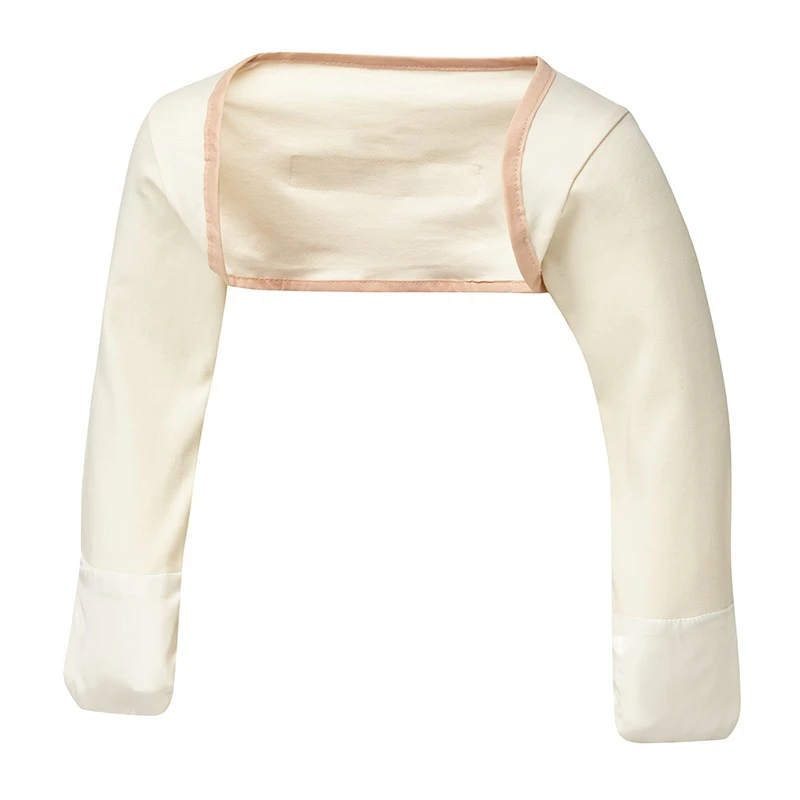
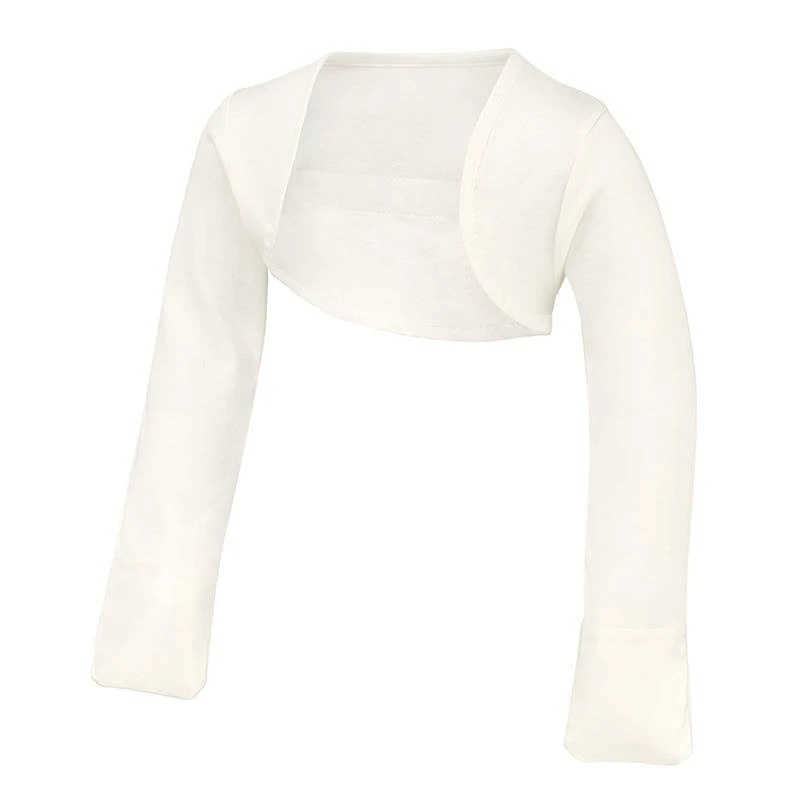
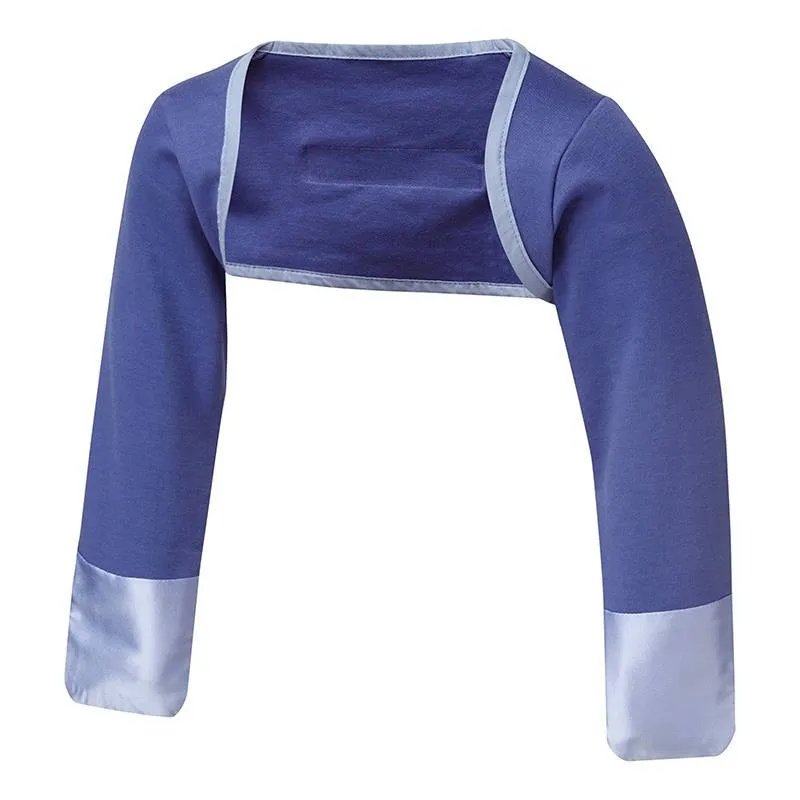
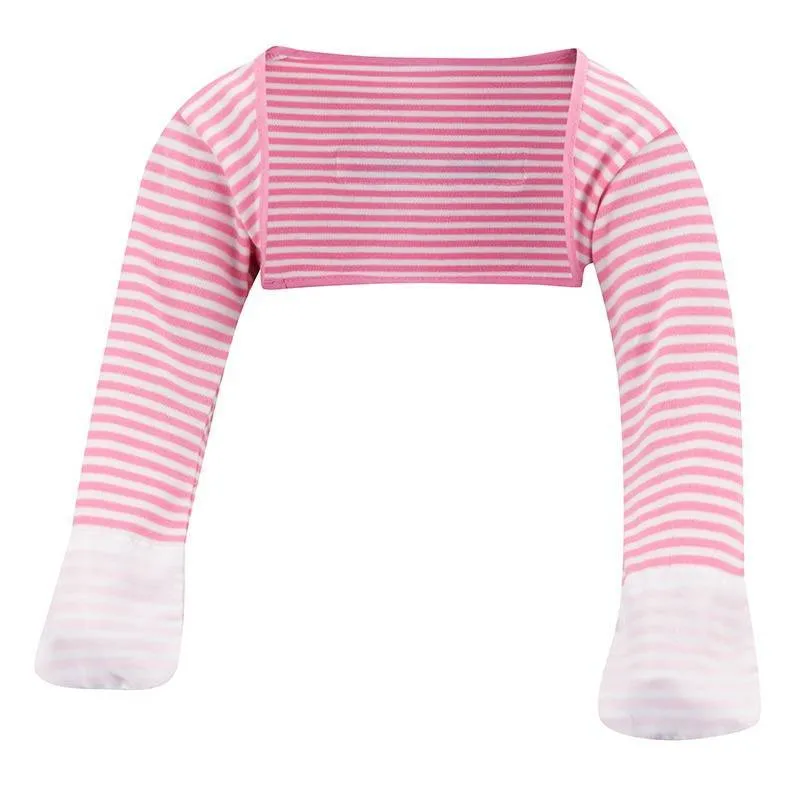
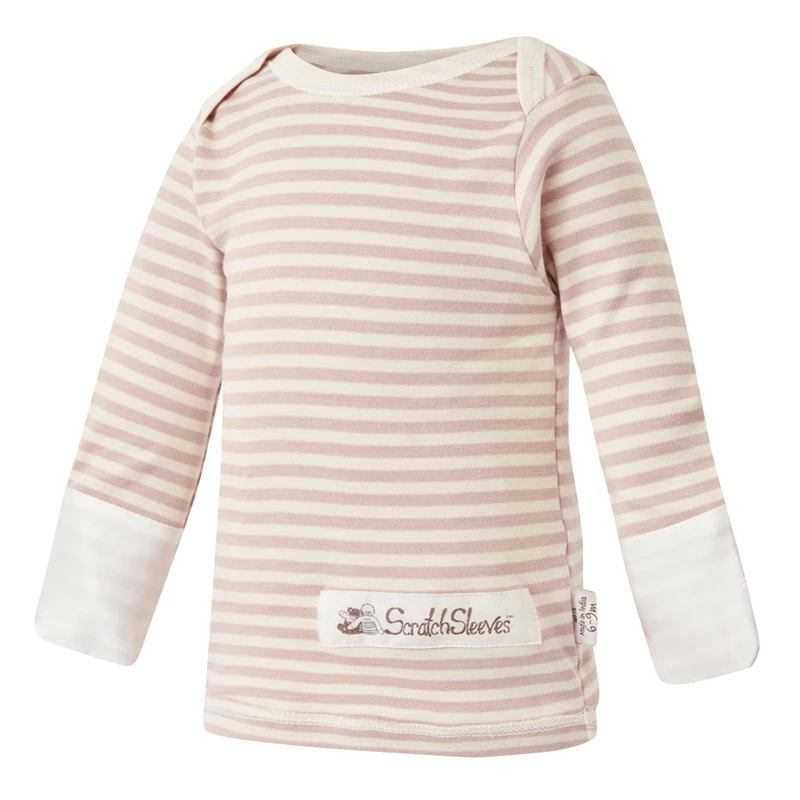
As well as sharing our experience of bringing up an eczema child (and favourite allergy-friendly recipes), we also manufacture and sell our unique stay-on scratch mitts and PJs for itchy babies, toddlers and children. We now stock sizes from 0-adult years in a range of colours and designs.
Perfect for wrigglers


SuperSensitive

Special Edition


As seen on TikTok
Striped PJ Tops


Perfect for wrigglers
SuperSensitive
Special Edition
As seen on TikTok
Striped PJ Tops