



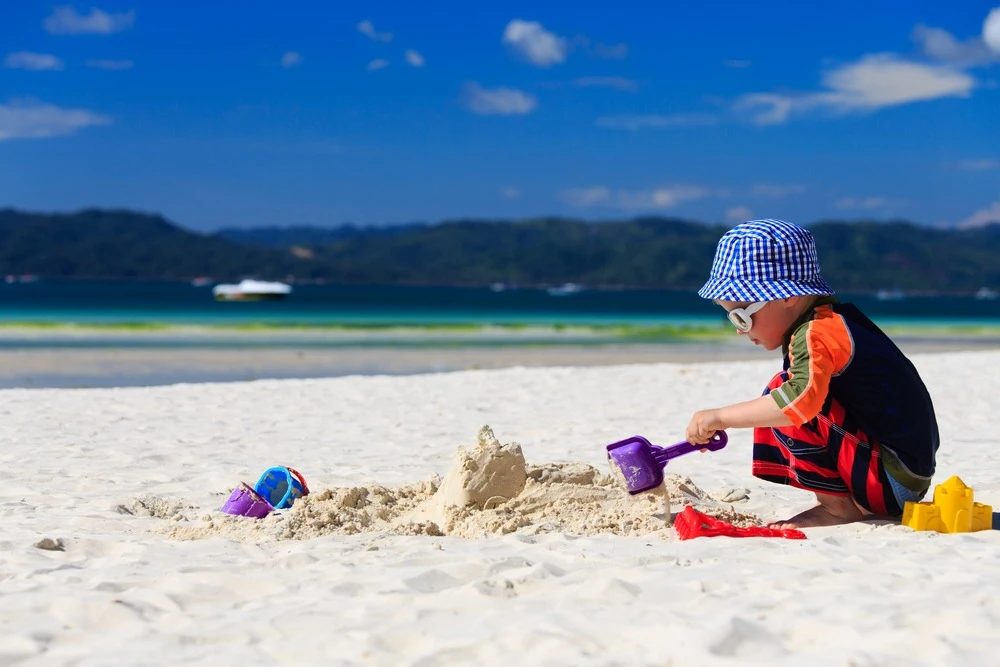
Building sandcastles, digging moats, skimming stones, burying Dad in the sand: a day at the beach can be great fun for everyone. But did you know that visit to beach can be really good therapy for babies and children with eczema too? As well as the wealth of anecdotal evidence, there’s mounting scientific research supporting the benefits of sea-water for eczema children. Added to that, spending time in the sunshine is great for generating skin-friendly vitamin D. But we know from experience that preparing for day out on the beach with an itchy little one can be daunting, so we put together our top tips for taking an eczema child to the beach.
Top tips for eczema-friendly beach outings
Eczema is often aggravated by the heat so having access to shade can help to keep your little one itch-free. Shade can be hard to come by on a beach so you may need to take your own. Pop-up sun tents are brilliant for this. My favourite, although rather more expensive, solution is to hire a beach-hut – most seaside councils will rent you one for as little as a week, but you may need to book early for popular locations.
Plan your sun-protection
Sun-screens are a common trigger for eczema so find a sun-screen that doesn’t irritate your child’s skin, our guide to sunscreens and eczema is a great place to start. Applying sunscreen to sandy skin is uncomfortable even on healthy skin and can really hurt if the skin is already sore. By applying sun-screen before you leave home and choosing a mineral based one which won’t break-down in the sun-shine (so doesn’t need re-applying as often as chemical based ones) you can minimise the need to mix sand and sun-screen. And if your kids are anything like ours you won’t have a chance to apply sun-screen once you have arrived at the beach anyway! When you do need to reapply their sun-screen, first rinse the sand off with fresh water and patch dry with a sand-free towel.
Cover up
Perhaps the most effective and least irritating sun-block is a wide-brimmed sunhat and UV blocking sun-suit or even a wet-suit. These have the additional advantage of protecting your child’s skin from the drying winds, characteristic of any British beach. We have cheap wet-suits from the local supermarket for our kids and only use sun-screen on the bits that aren’t covered up. When they get hot they just dunk themselves in the sea for a few minutes to cool down.
Sand or shingle beach?
They both have advantages for eczema kids: shingle avoids the sandy sun-screen problem while sand is a really effective and gentle exfolient for dry scaly skin. And from a fun point of view, sand is great for building and burying but shingle beaches are better for picnicking and shell hunting. If you’re going to a shingle beach remember to pack some beach shoes for yourself, just in case you need to chase after your offspring at speed. Shingle doesn’t hurt kids’ feet as much as it does adults’.
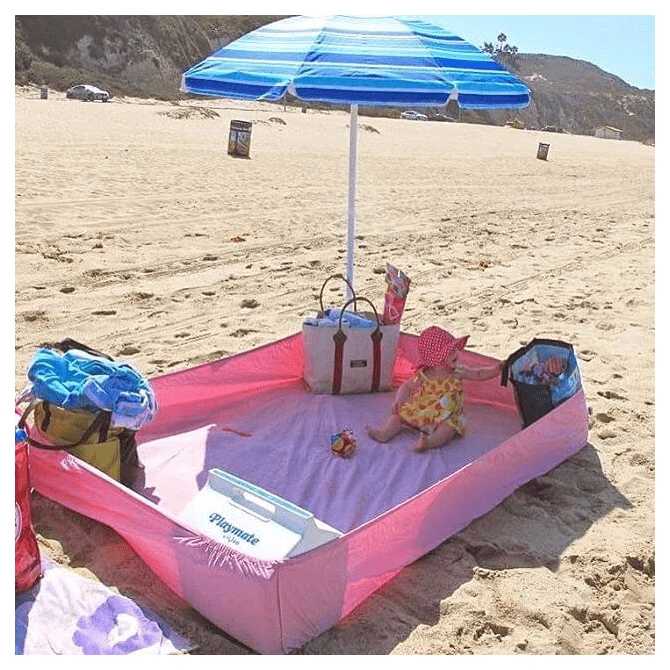
Take a fitted-bed sheet
Yes – really! Put a biggish bag or cool box in each corner and pull up the sides to create a relatively sand-free area. This makes a great place to sit your itchy little one in while applying more sun-screen or if their skin starts to show signs of irritation. It also gives babies somewhere to play without the temptation of eating the beach.
Go for a dip
Tempting as it is, don’t just sit in the sun! The real benefit of going to the beach for eczema sufferers is the sea-water. The magnesium found in sea water has a proven soothing effect on the skin and acts as a natural moisturiser and antiseptic, this 2005 study found that eczema sufferers benefited almost immediately from bathing in salty sea water. However, as Grandma ScratchSleeves will tell you, if the skin is broken, the first few dips can really, really sting. A layer of Vaseline over the affected area can reduce the sting without reducing the healing effect the sea-water. In the days before steroid creams, the annual beach holiday and the month after it was the highlight of Grandma ScratchSleeves’ year. You can read more about the benefits (and practicalities) of sea-water for eczema here.
Stronger eczema creams can sensitize skin
Stronger eczema creams like tacrolimus (only prescribed to older children and adults) can make skin more sensitive than usual to it’s probably better to avoid the beach, or at least going into the sea, while using them.
Rinse and moisturise
A day of sun-screen and salty water can make skin feel claggy and itchy so, if you can, rinse the worst of the residue off using fresh water before you leave the beach. Most popular tourist beaches have beach showers (usually near the loos). If there’s no shower available a toy watering can and a couple of beach buckets filled from the tap are a remarkably effective (and fun) alternative. A day in the sun and wind can dry out the skin, so slop on a light coating of your child’s regular emollient after rinsing them off.
Park in the shade
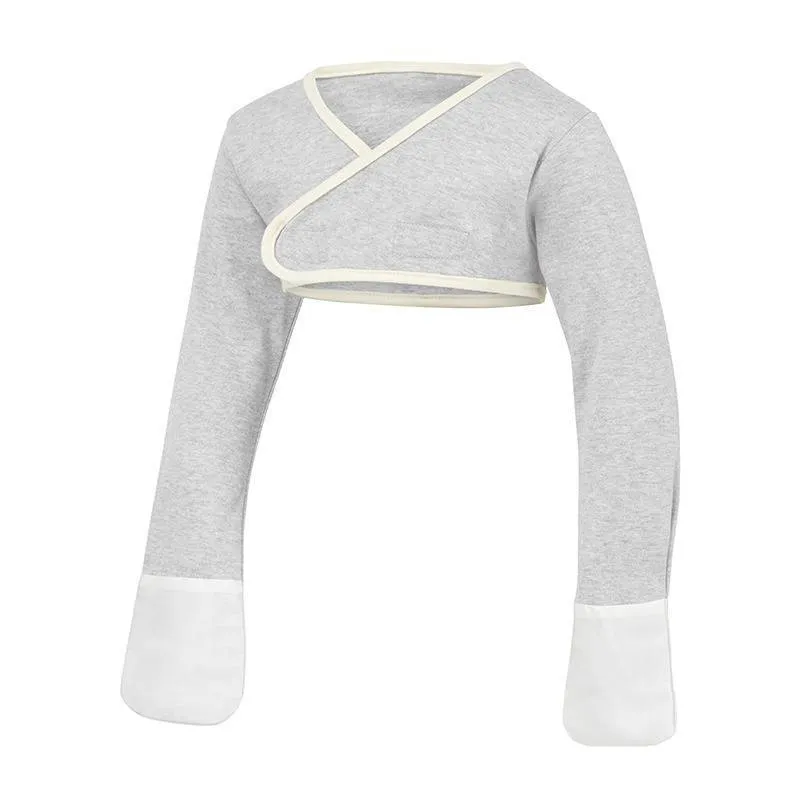
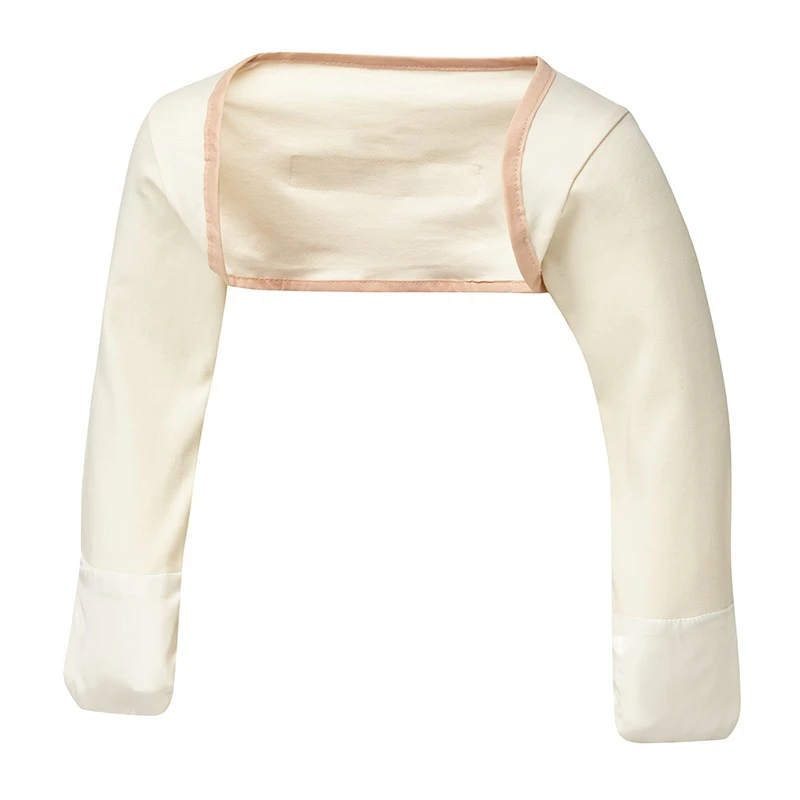
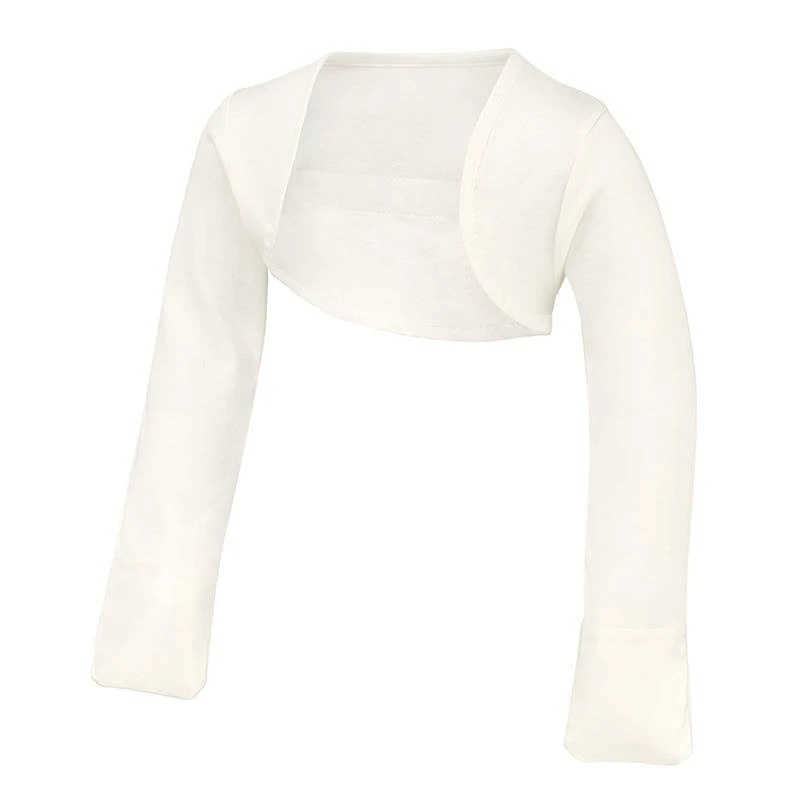
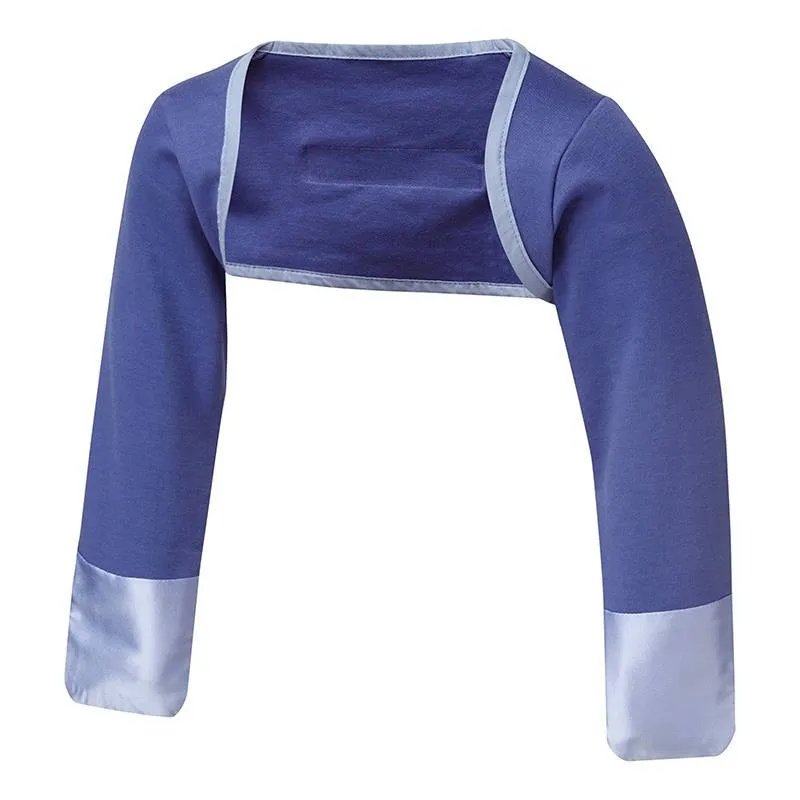
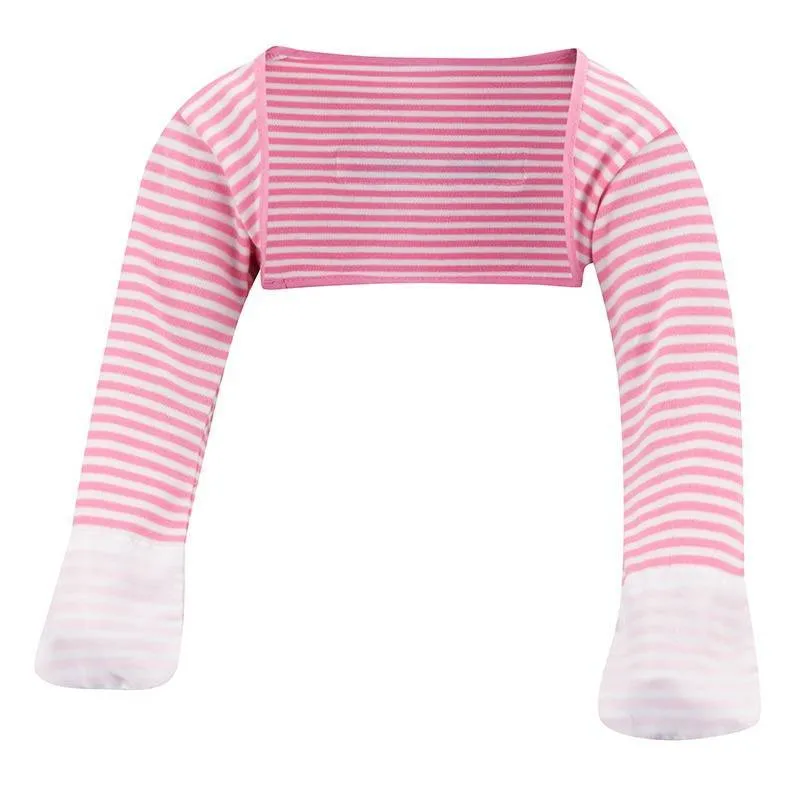
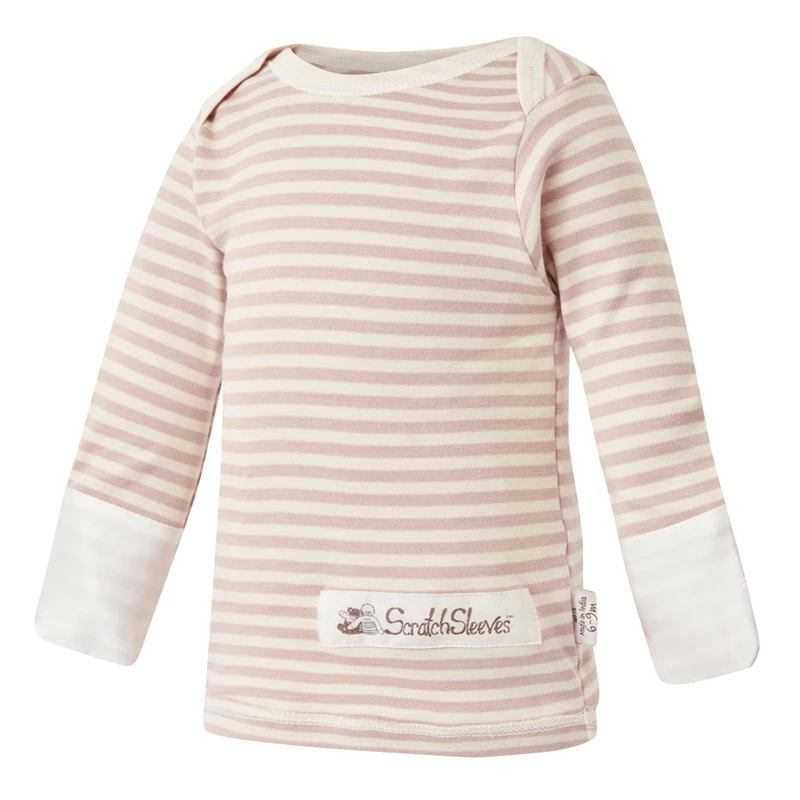
Parked cars can get unbearable hot in the summer weather. Being strapped into a hot car-seat can bring on some serious scratching and spoil a really good day out. Parking in the shade or investing in windscreen sunshade can make a huge difference to the journey home. If keeping the car itself cool just isn’t an option, try to cool it down as much as possible before you strap your little one in by opening the boot and doors to let the hot air blow through. And have a set of ScratchSleeves handy to minimise any scratching damage.
And if can’t make it to the beach…
If you aren’t near a beach then the next best thing to sea water is a cup of Epson Salts in a paddling pool of warm water and, of course, a sandpit. Do make sure that you keep the sand in your sand-pit fresh as, unlike salty beach sand, bacteria can build up over time which could increase the risk of skin infections in eczema-prone children. If the sand smells a bit dubious when it gets wet it’s time to change it! Alternatively, you can make your own saline pack by diluting 2 or 3 teaspoons of Epsom salt in a cup of water. Put this solution in the fridge for about an hour and then apply it to your child’s skin with cotton wool. However, if the eczema has developed into open wounds then a milder treatment may be required.