We've updated our website. Please let us know if you come across any glitches.

Key Takeaways
If your child suffers with eczema, the chances are that you will have seen an improvement in their skin over the summer months. The high humidity typical of a British Summer, coupled with increased vitamin D levels, along with paddling in the sea (if you’re lucky enough) and lighter clothing all contribute to healthier skin. But what happens in the Autumn, when the weather starts to turn? In this blog, we’re looking at the effect of the weather on eczema, with a specific focus on humidity levels.
The weather can have a significant impact on eczema1. The high humidity levels in summer can be uncomfortable when you are out and about and may increase sweat-induced eczema. However, the high moisture levels of the air save skin from drying out. This reduces itching, scratching and eczema flare-ups.
As the weather changes from summer to autumn, the air starts to dry out. This is because as it cools it can hold less water vapour. However, when we heat up this drier autumn and winter air in our homes, it can hold more water. As a result, moisture is drawn out of the indoor environment into the air. The problem for eczema sufferers is that our skin is around 60% water and part of the indoor environment. The warm, dry indoor air dries the skin, making it more itchy and more prone to eczema flare-ups. This means that warm indoor air is just as problematic for eczema sufferers as cold, biting winds.
As well as being itchy, dry and cracked, the damaged skin barrier is more vulnerable to any irritants that it comes into contact with2. Dry skin is often more sensitive in low humidity than when the air is more moist. It’s not uncommon for laundry detergents or toiletries that have been fine to use all summer, to suddenly become irritating.
In addition, it is during this time of year that heavier and thicker clothes start to make an appearance. Some fabrics and materials are known to exacerbate scratching and irritation. Wool, for example, is a known irritant for those suffering from eczema. Cotton and silk much typically safer and more comfortable options.
It’s at this point that eczema can feel like a vicious circle – with no obvious ways to minimise the irritation as we move further into autumn and winter. That’s why managing your child’s eczema and minimising the exposure to irritants is an important part of ensuring optimum comfort with the changing weather.
Moving into autumn and winter, it can be tempting to turn up the central heating. However, the warmer you make the air, the more you risk drying out the skin. Aim for an indoor temperature that is comfortable when you’re wearing with a jumper or cotton sweater rather than just a t-shirt, about 18-19°C.
As always, the National Eczema Society has some excellent tips for managing eczema with the changing weather. We’ve tried all of these suggestions and share with you below the ones we have found to be most helpful:
We cannot escape the fact that the cooling weather has an effect on humidity. The dry air that comes with winter’s low humidity serves to further dry out and irritate the skin.
Gaining an understanding of the impact of weather on skin – and more specifically eczema – is an important part of managing the condition. From there, it’s all about how you manage your environment and integrate small changes which help your child’s skin to stay as hydrated as possible.
Chan, J., MacNeill, S. J., Stuart, B., Lo, Y. T. E., Roberts, A., Mitchell, D., & Ridd, M. J. (2023). Do temperature changes cause eczema flares? An English cohort study. Clinical and Experimental Dermatology, 48 (9), 1012–1018. pubmed.ncbi.nlm.nih.gov/37130096/
Engebretsen, K. A., Johansen, J. D., Kezic, S., Linneberg, A., & Thyssen, J. P. (2016). The effect of environmental humidity and temperature on skin barrier function and dermatitis. Journal of the European Academy of Dermatology and Venereology, 30(2), 223–249. pubmed.ncbi.nlm.nih.gov/26449379/
Byber, K., Radtke, T., Norbäck, D., Hitzke, C., Imo, D., Schwenkglenks, M., Puhan, M. A., Dressel, H., & Mutsch, M. (2021). Humidification of indoor air for preventing or reducing dryness symptoms or upper respiratory infections in educational settings and at the workplace. Cochrane Database of Systematic Reviews, 2021(12), Article CD012219. pmc.ncbi.nlm.nih.gov/articles/PMC8664457/
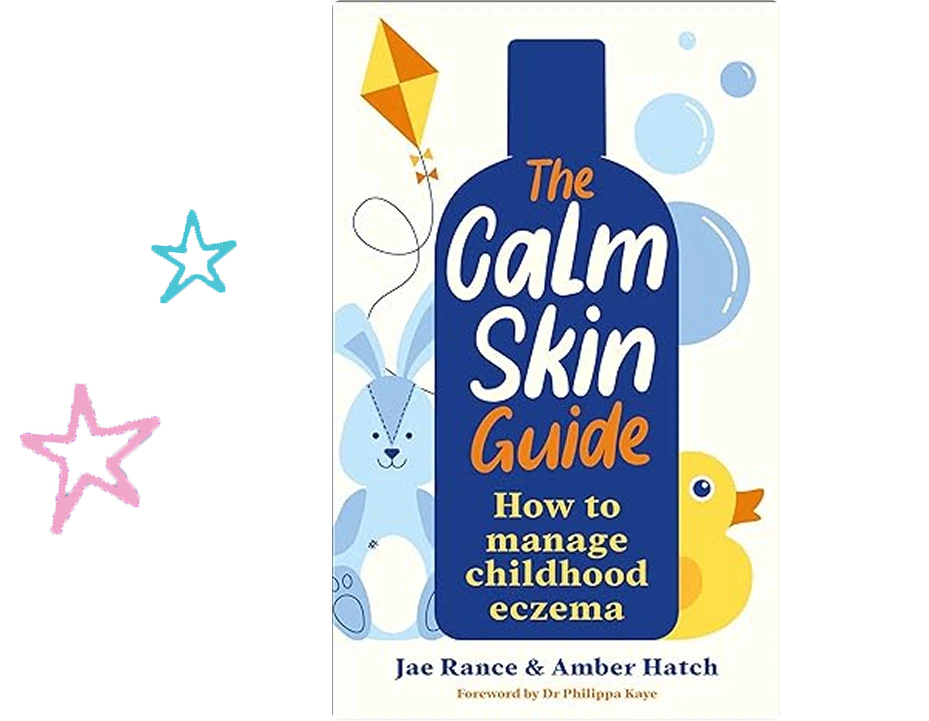
The Calm Skin Guide
Our guide gives parents the knowledge and tools to manage the condition, from understanding treatments to identifying triggers at home.
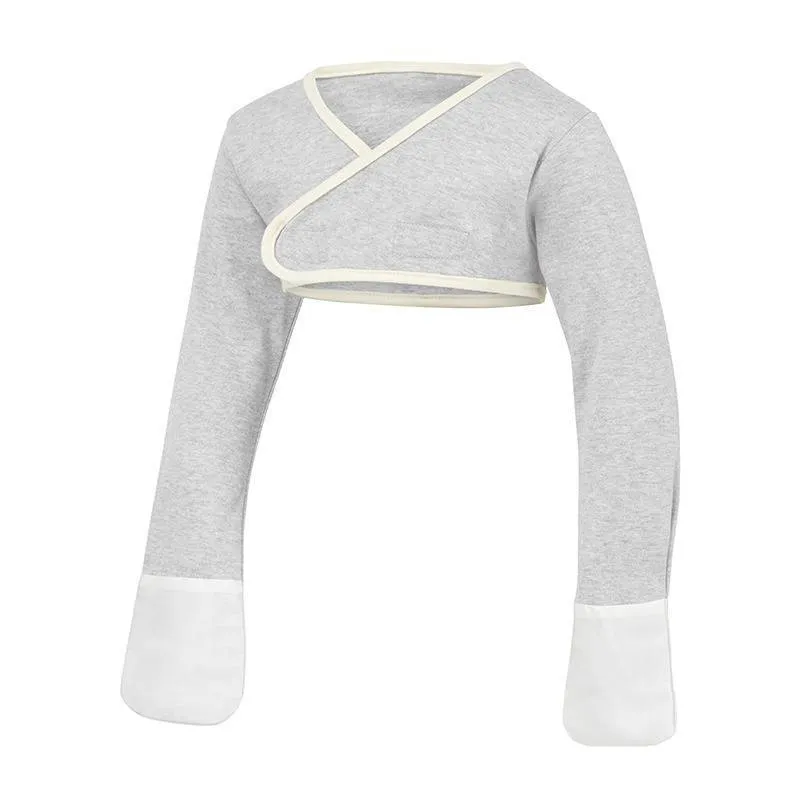
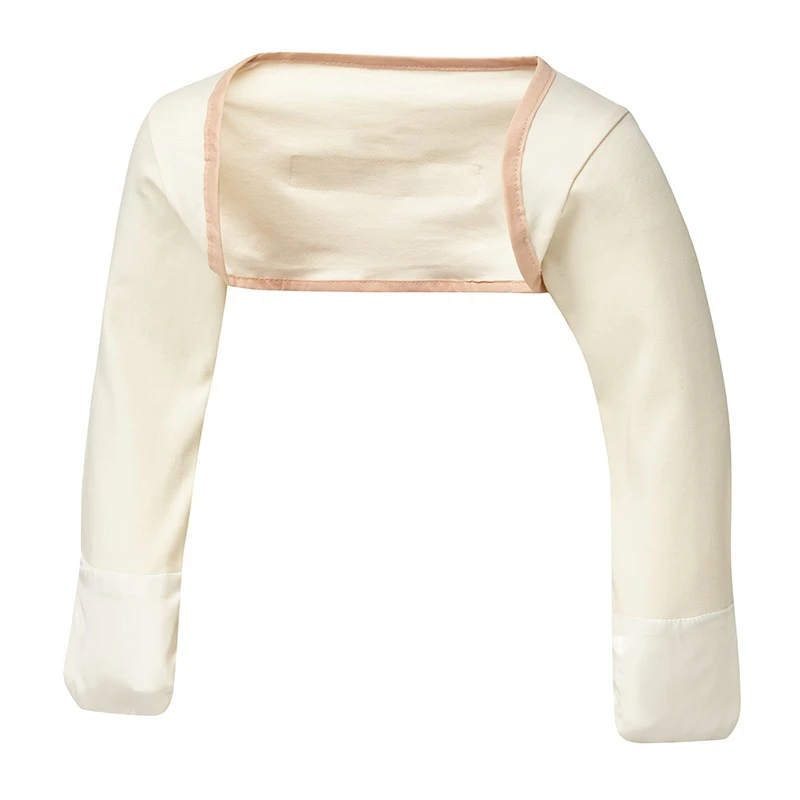
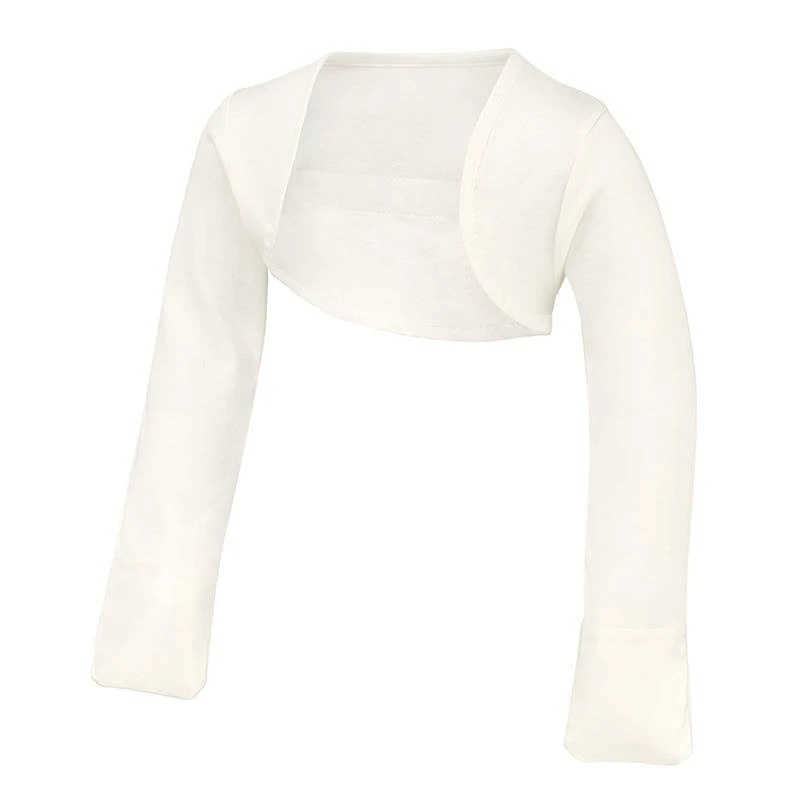
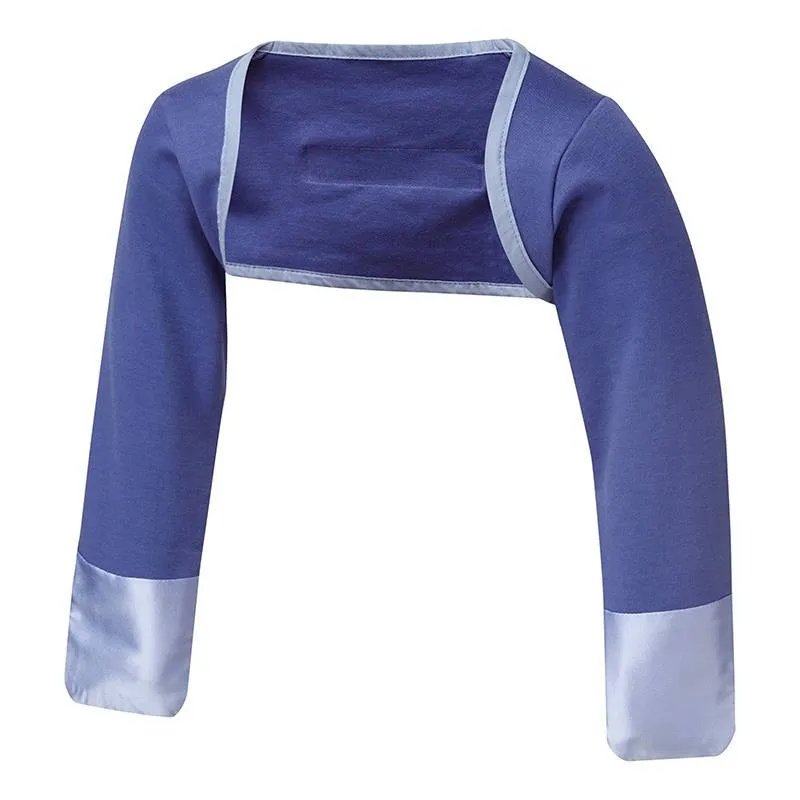
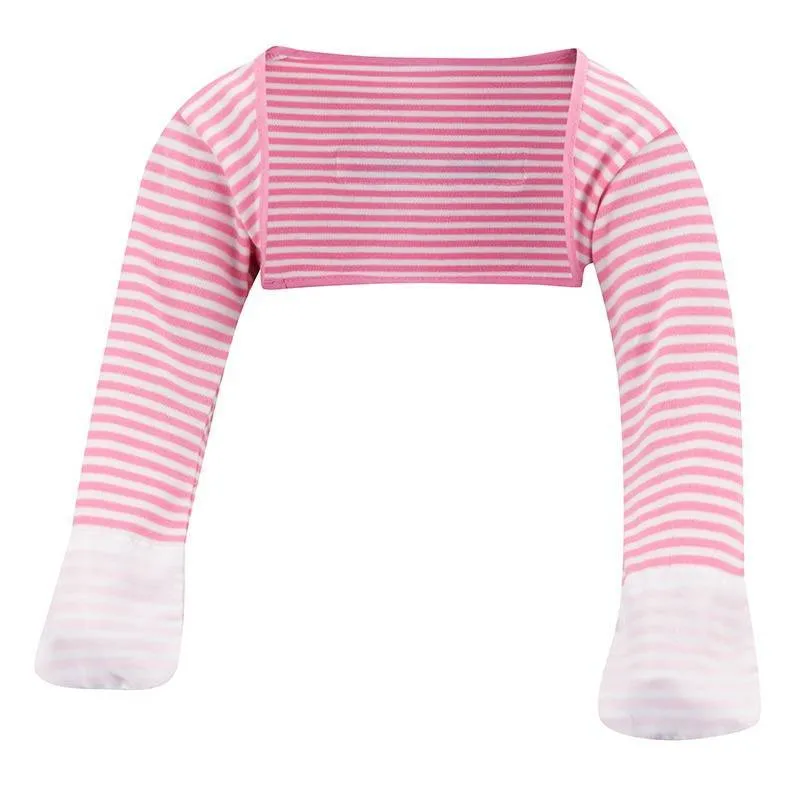
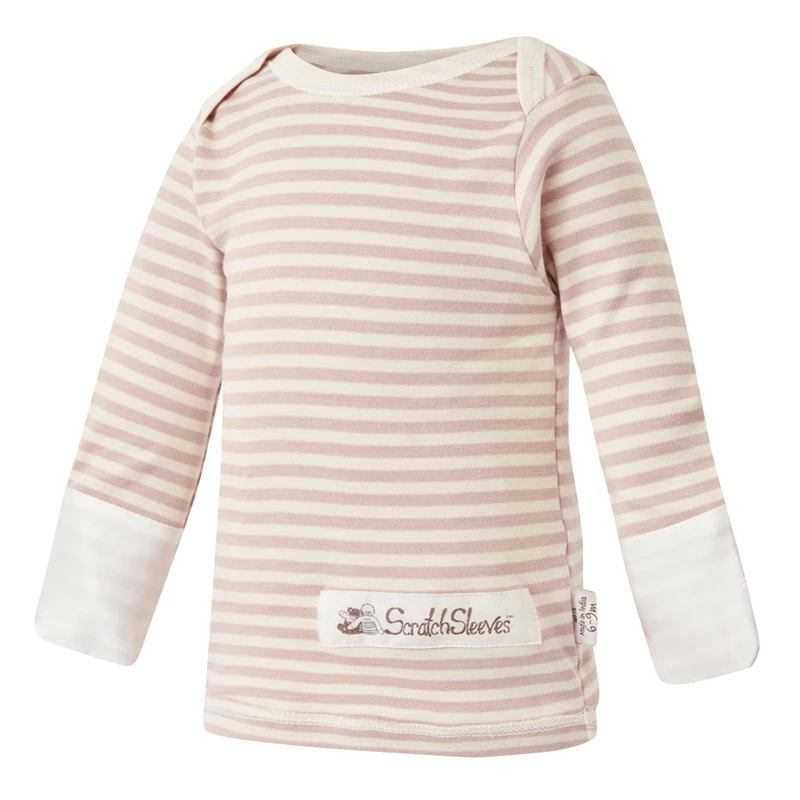
As well as sharing our experience of bringing up an eczema child (and favourite allergy-friendly recipes), we also manufacture and sell our unique stay-on scratch mitts and PJs for itchy babies, toddlers and children. We now stock sizes from 0-adult years in a range of colours and designs.
Perfect for wrigglers


SuperSensitive

Special Edition


As seen on TikTok
Striped PJ Tops


Perfect for wrigglers
SuperSensitive
Special Edition
As seen on TikTok
Striped PJ Tops