Women in grey cotton t-shirt with dark sweat mark between her shoulder blades. Sweat is a common trigger for eczema flare-up

Eczema and exercise: how to minimise the itch

We all know that regular exercise is essential for cardiovascular health as well as supporting mental wellbeing. But did you know that regular low to moderate intensity exercise also reduces inflammation and suppresses allergic immune responses, both of which can help to reduce eczema symptoms. We look at the practicalities of regular exercise for eczema sufferers, including how to minimise sweat induced itching and flares-up.

What we’ve learnt:

  • Regular exercise supports mental wellbeing and improves sleep, both of which can be problematic for eczema sufferers. It also improves the body’s ability to deal with stress, one of the most common eczema triggers.
  • Low impact exercise reduces inflammation and moderate exercise suppresses some allergic immune responses, both these benefits can reduce eczema flares
  • The key challenge of exercising with eczema is managing sweat induced itching but there are plenty of ways to minimise this (see our top tips below).
  • While there is no one-size-fits-all solution, with a bit of experimentation, most eczema sufferers can find an exercise regime that works for them.

Why is exercise so important for eczema sufferers?

The benefits of exercise for the general population are well documented – reduced risk of heart and lung problems, stroke, diabetes, colon and breast cancers, osteoporosis, and fractures, and improved mental health. Interestingly, many eczema sufferers report that regular exercise reduces the severity of their eczema. While some of these exercising eczema sufferers make adjustments to minimise the problem of sweat-induced itching and flare-ups, the vast majority feel that the pros of exercising with eczema outweigh the cons. 

How does regular exercise help with eczema management?

Reducing cortisol levels

High levels of cortisol are known to be related to eczema flare-ups through increased inflammation. Low intensity exercise has been shown to reduce cortisol levels with the body1. Low intensity exercise is defined as steady exercise where the heart rate is at 50% of maximum, for example brisk walking, jogging, swimming, yoga, tai-chi and resistance training.

Reducing the impact of stress

While moderate to high intensity workouts increase cortisol levels in the short term, studies have demonstrated that regular, moderate exercise (50-70% of maximum heart rate) reduces the stress response, including cortisol production in the longer term2. Another study showed the moderate-high intensity workouts reduce levels of cortisol generated by individual stressful events that follow them3.

Interestingly, exercising outside has also been shown to be more effective at reducing stress than exercising inside4. However, those with other triggers may well find that low impact, outdoor exercise, such as walking has a beneficial effect. For eczema sufferers with airborne triggers such as pollen or mould, exercising outside can be problematic. However, those with other triggers may well find that low impact, outdoor exercise, such as walking has a beneficial effect.

Damping down allergic responses

Some people’s eczema is aggravated by allergies. Moderate exercise has been shown to damp down the Th2-mediated inflammatory responses in food allergy sufferers. One study saw reductions in food related IgE antibodies of over 50% following 40 minutes of moderate exercise in a group of food allergy sufferers5. The same study found increased levels of pollen related IgE antibodies in the airborne allergy sufferers, possibly due to increased inhalation of allergens. As with all things eczema-related there is no one size fits all solution.

Supporting mental well-being

Eczema is commonly associated with both stress and mental health struggles. Stress is a common eczema trigger and it is well documented that eczema sufferers are more prone to anxiety and depression than the general population. Stress and eczema often create a vicious circle with one aggravating the other.

As well as reducing stress related cortisol levels (discussed above), exercise has a number of benefits for mental health which can be especially helpful for eczema sufferers. These include improved sleep quality, the post-workout ‘high’ created by endorphins released during exercise and increased social interactions. The increased flow of blood to the brain following exercise can also help with concentration, which is so much harder when you’re trying to ignore the eczema itch. 

Why getting hot and sweaty makes eczema itch

The body has two main mechanisms for cooling down. Creating sweat, which then cools the skin as it evaporates. And dilating the blood vessels blood vessels in the skin, so that more blood can be cooled at the skin’s surface. Both of these mechanisms can increase the eczema itch. However eczema sufferers typically don’t sweat as much as non-sufferers.

Sweat induced itching

Sweat mainly consists of water, urea, lactate, and minerals including sodium. Both the sodium and the area in sweat can irritate intact skin and cause damaged skin to sting. Sweating also reduces the moisture content of the skin, especially if you have not been drinking enough during your workout making it feel dry and tight.

Studies have also found that eczema sufferers have significantly lower levels of the moisturizing and antimicrobial elements usually found in sweat, meaning that eczema sufferers are more likely to suffer from post-workout dry skin than the general population6.

Sweat retention

Eczema sufferers typically  sweat less than non-sufferers. While this sounds helpful for those with seat induced itchiness, with less sweating, skin retains heat, becomes dry, and is more prone to itching and infection.

There are a number of possible mechanisms that can cause this including partial blocking of pores, inflammation and sweat leaking into the skin around the sweat glands7. There are some indications that getting sweaty regularly can improve the body’s ability to sweat and improve overall eczema symptoms8.

Sweat allergy

Sweat allergy is defined as hypersensitivity to the contents of sweat. It is typically found in eczema sufferers. Although sweat allergy is not fully understood, one of the main allergens causing these reactions are the metabolites of the yeast Malassezia globosa, which lives on the skin. In eczema sufferers, these irritating metabolites are able to penetrate the damaged skin via sweat9.

How to manage the sweat induced eczema-itch

The key challenge of exercising with eczema is managing sweat induced itching but there are plenty of ways to minimise this. Given the different ways that sweat can aggravate eczema it’s a case of trying different approaches to find a strategy that works for you.

  • Don’t let the sweat dry on your skin. Shower off with cool or tepid water immediately after working out. Moisturise your skin as soon as you get out of the shower.
  • Towel off sweat as it appears.
  • Keep hydrated before, during and after your workout.
  • Use barrier cream like Vaseline on problem areas before you start to keep sweat out of open cracks and blisters. This can be especially helpful for pompholyx (dyshidrotic eczema).
  • Take an antihistamine tablet an hour before working out (especially useful for sweat allergies).
  • Experiment with clothing. If the standard advice to wear loose cotton clothing doesn’t work for you, experiment with closer cut designs and more technical wicking fabric. Keeping the sweat in place with clothing can minimise the itchy areas.
  • Always wear fresh gym kit
  • Keep as cool as possible. Try exercising in front of a fan, in an air-conditioned environment or early in the morning and minimise your clothing layers.
  • Swimming can work really well for some eczema sufferers – but not so well for others. Experiment with different pools as there are a number of quite different filtration systems which can have very different impacts on the skin and the amount of pool chemicals required varies depending on how busy the pool is.
  • If you’re just starting to exercise regularly, stick with it. It can take a couple of weeks for the skin to get used to sweating.
  • Experiment with different types of exercise. If high-intensity, sweaty workouts are causing flare-ups, try a gentler exercise, such as walking and pilates.
  • Investing in a fitness tracker can help you keep track of both the amount of exercise you are doing and the level of intensity of each workout.

Our sources

  1. Hill, EE, et al. “Exercise and Circulating Cortisol Levels: The Intensity Threshold Effect.” Journal of Endocrinological Investigation, July 2008, pubmed.ncbi.nlm.nih.gov/18787373/.
  2. Klaperski S;von Dawans B;Heinrichs M;Fuchs R;, S, et al. “Effects of a 12-Week Endurance Training Program on the Physiological Response to Psychosocial Stress in Men: A Randomized Controlled Trial.” Journal of Behavioral Medicine, Dec. 2014, pubmed.ncbi.nlm.nih.gov/24659155/.
  3. Caplin A, A, et al. “The Effects of Exercise Intensity on the Cortisol Response to a Subsequent Acute Psychosocial Stressor.” Psychoneuroendocrinology, Sept. 2021, pubmed.ncbi.nlm.nih.gov/34175558/.
  4. Noseworthy, M, et al. “The Effects of Outdoor versus Indoor Exercise on Psychological Health, Physical Health, and Physical Activity Behaviour: A Systematic Review of Longitudinal Trials.” International Journal of Environmental Research and Public Health, Jan. 2023, pubmed.ncbi.nlm.nih.gov/36767034/.
  5. Aldred, S, et al. “The Effect of Steady State Exercise on Circulating Human IGE and IGG in Young Healthy Volunteers with Known Allergy.” Journal of Science and Medicine in Sport, Oct. 2008, pubmed.ncbi.nlm.nih.gov/18977173/.
  6. Sugawara, T, et al. “Decreased Lactate and Potassium Levels in Natural Moisturizing Factor from the Stratum Corneum of Mild Atopic Dermatitis Patients Are Involved with the Reduced Hydration State.” Journal of Dermatological Science, Mar. 2012, pubmed.ncbi.nlm.nih.gov/22464763/.
  7. Murota, H, et al. “Why Does Sweat Lead to the Development of Itch in Atopic Dermatitis?” Experimental Dermatology, July 2019, pubmed.ncbi.nlm.nih.gov/31152459/.
  8. Nattkemper, LA, et al. “Cholinergic Induction of Perspiration Attenuates Nonhistaminergic Pruritus in the Skin of Patients with Atopic Dermatitis and Healthy Controls.” The British Journal of Dermatology, May 2015, pubmed.ncbi.nlm.nih.gov/25522660/.
  9. Takahagi, S, et al. “Sweat Allergy.” Allergology International : Official Journal of the Japanese Society of Allergology, June 2018, pubmed.ncbi.nlm.nih.gov/30075993/.

Visit our shop to find our range of adult scratch mitts and eczema-friendly sleepwear
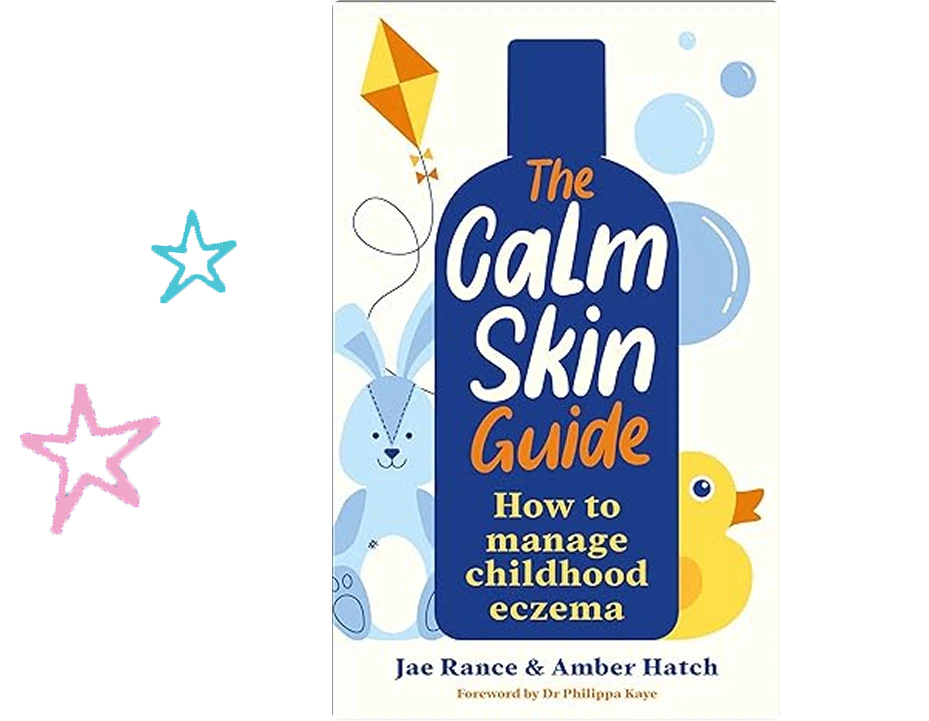
The Calm Skin Guide

Our guide gives parents the knowledge and tools to manage the condition, from understanding treatments to identifying triggers at home.

Shop Solutions Mentioned

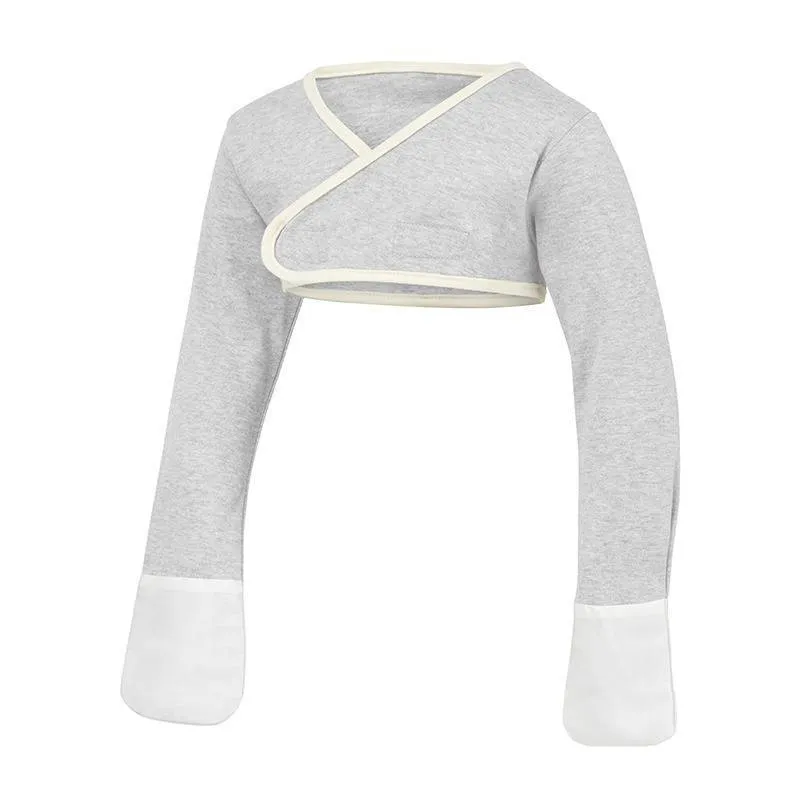
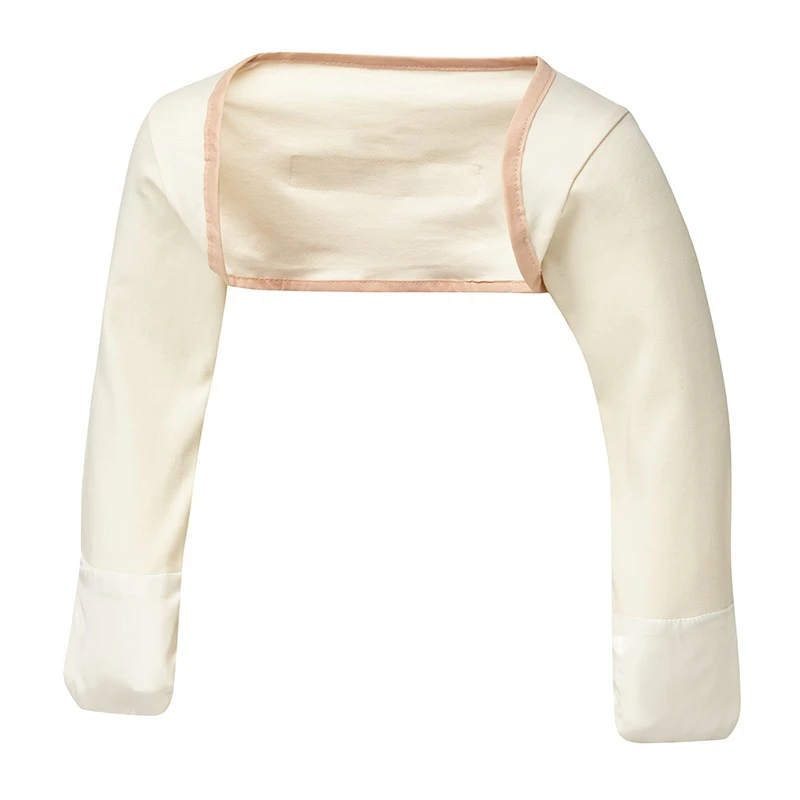
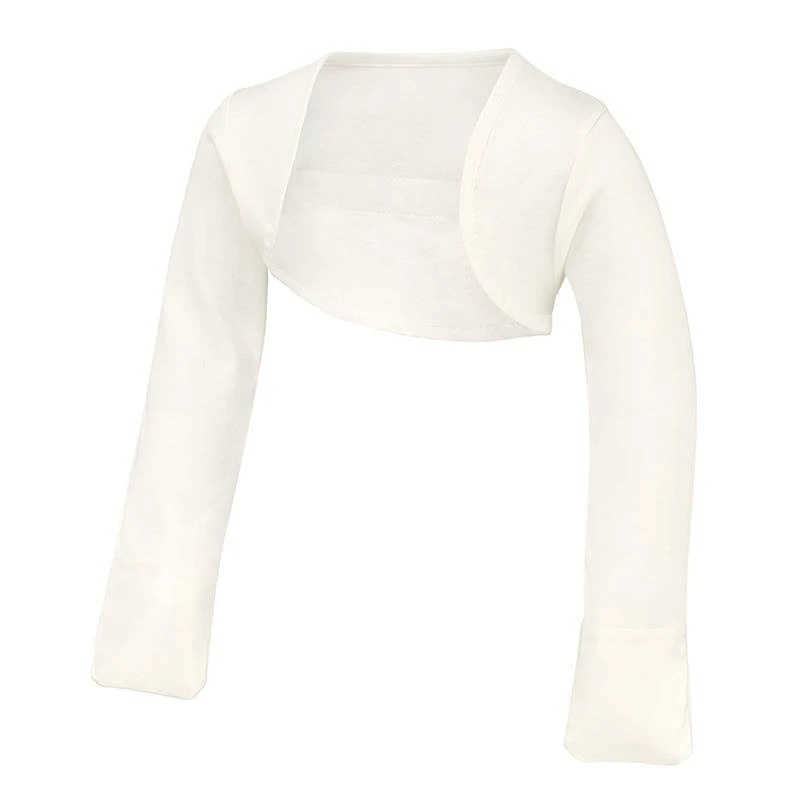
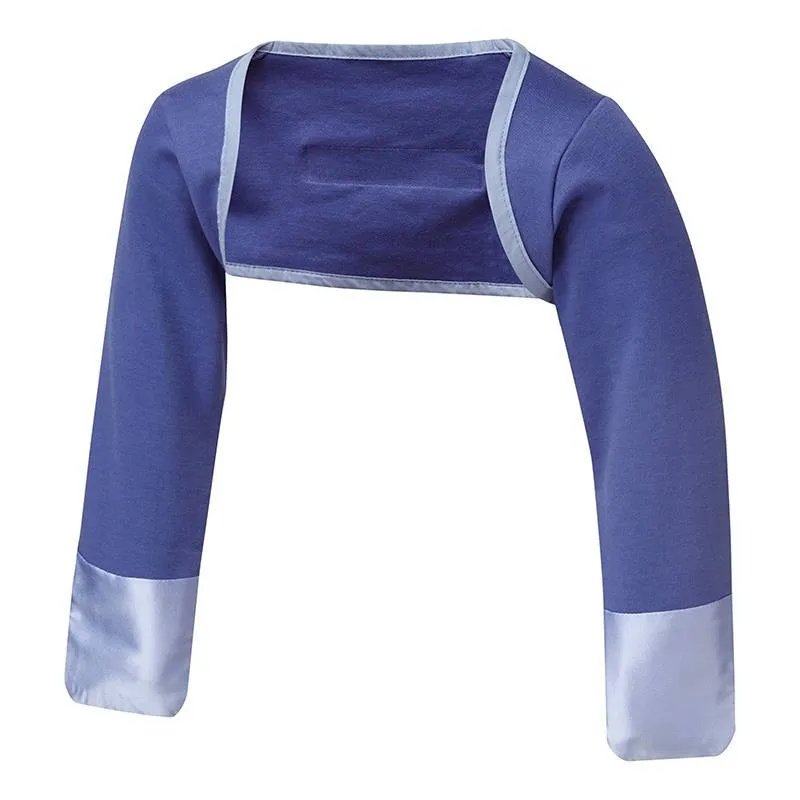
As well as sharing our experience of bringing up an eczema child (and favourite allergy-friendly recipes), we also manufacture and sell our unique stay-on scratch mitts and PJs for itchy babies, toddlers and children. We now stock sizes from 0-adult years in a range of colours and designs.

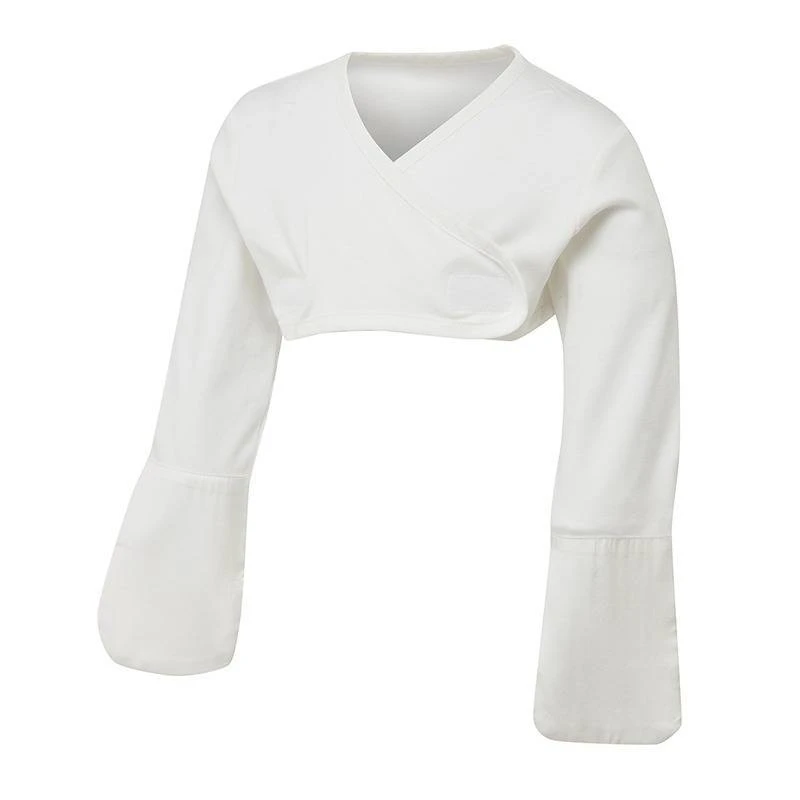
Cross-over

Sizes: 3 Months - 5 Year
Price range: US$20.50 through US$22.50

Original Cream

Sizes: 3 Months - 10 Year
Price range: US$14.50 through US$17.50

SuperSensitive

Sizes: 0 Months - Junior 164
Price range: US$16.50 through US$21.50

Special Edition

Sizes: 3 Months - Junior 152
Price range: US$16.50 through US$21.50

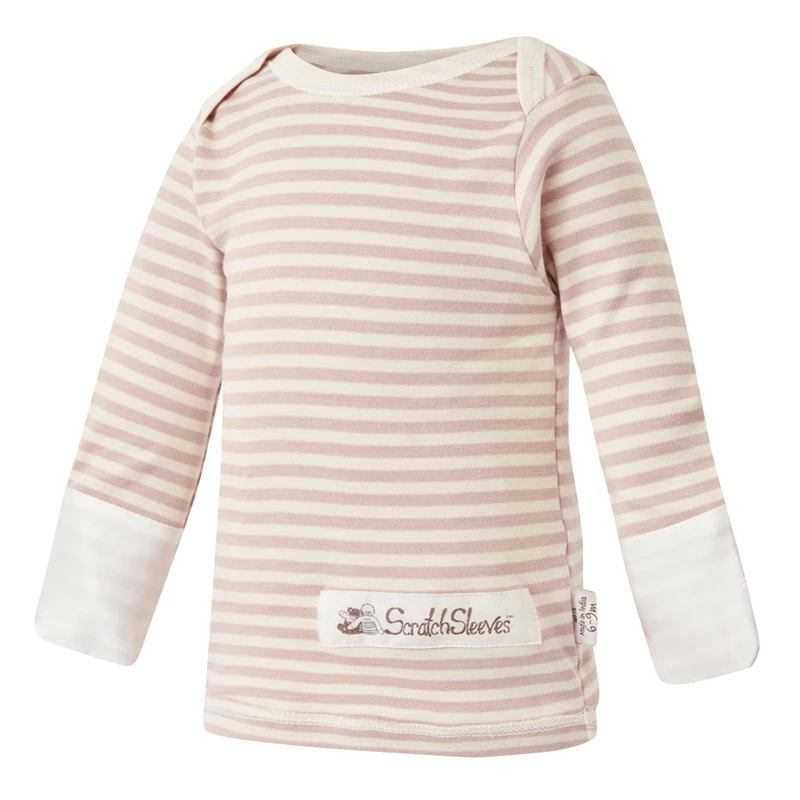
Striped PJ Tops

Sizes: 6 Months - 4 Year
Price range: US$18.50 through US$20.50

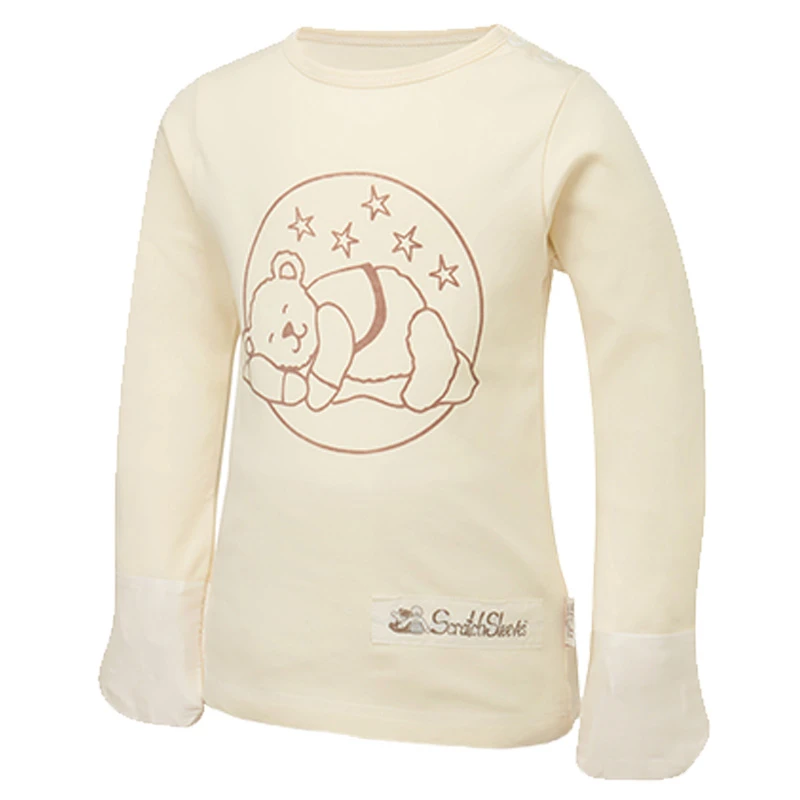
Sleepy Bear PJ Tops

Sizes: 6 Months - 4 Year
Price range: US$18.50 through US$20.50

As seen on TikTok

Stripes

Sizes: 3 Months - 5 Year
Price range: US$16.50 through US$18.50

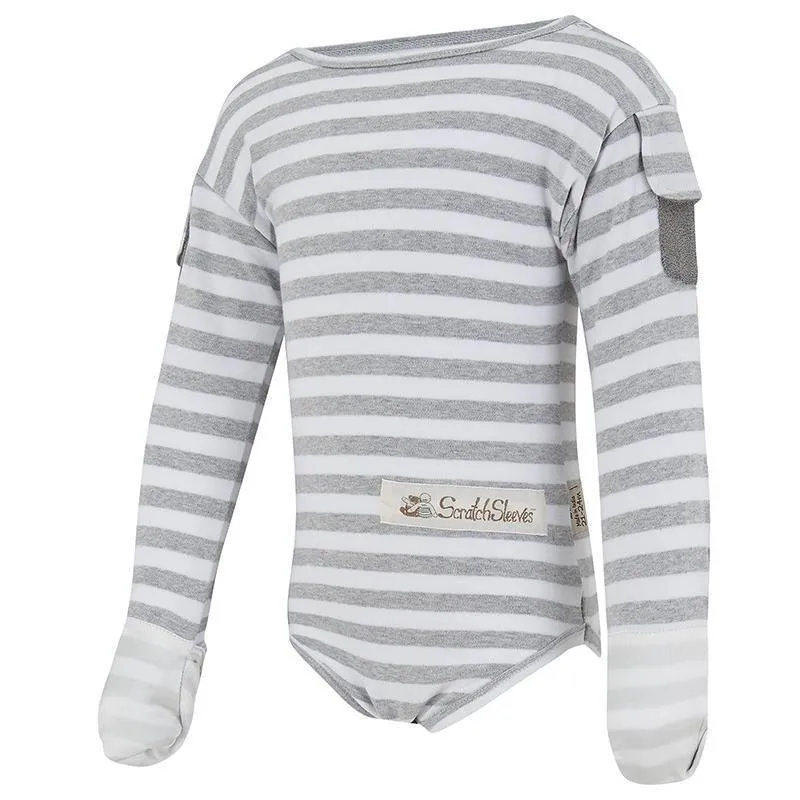
Flip-mitt Bodysuits

Sizes: 0 Months - 4 Year
Price range: US$22.50 through US$26.50

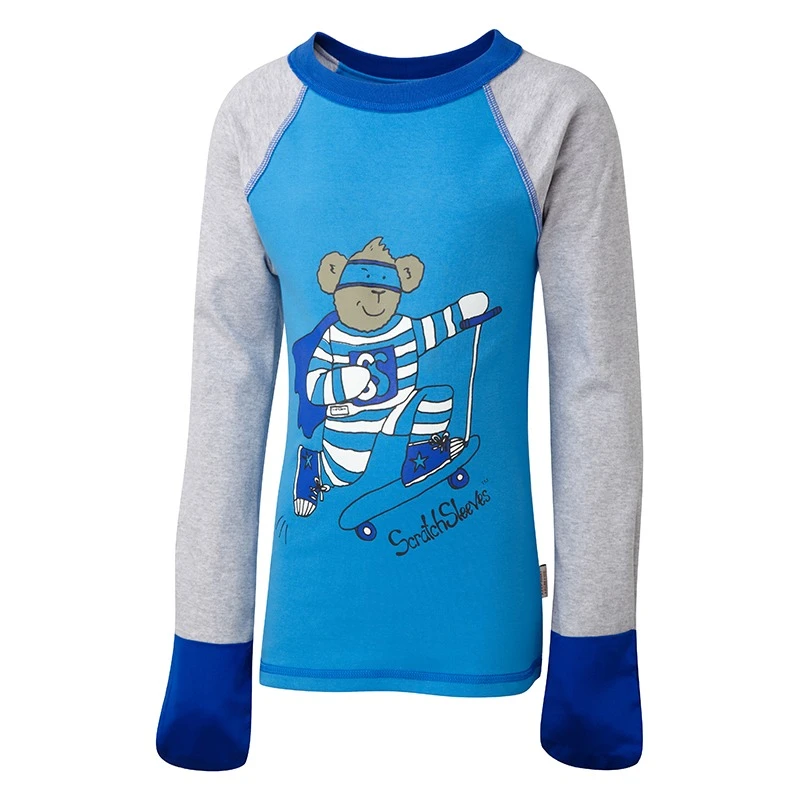
SuperHero PJ tops

Sizes: 2 Year - 8 Year
Price range: US$20.50 through US$21.50

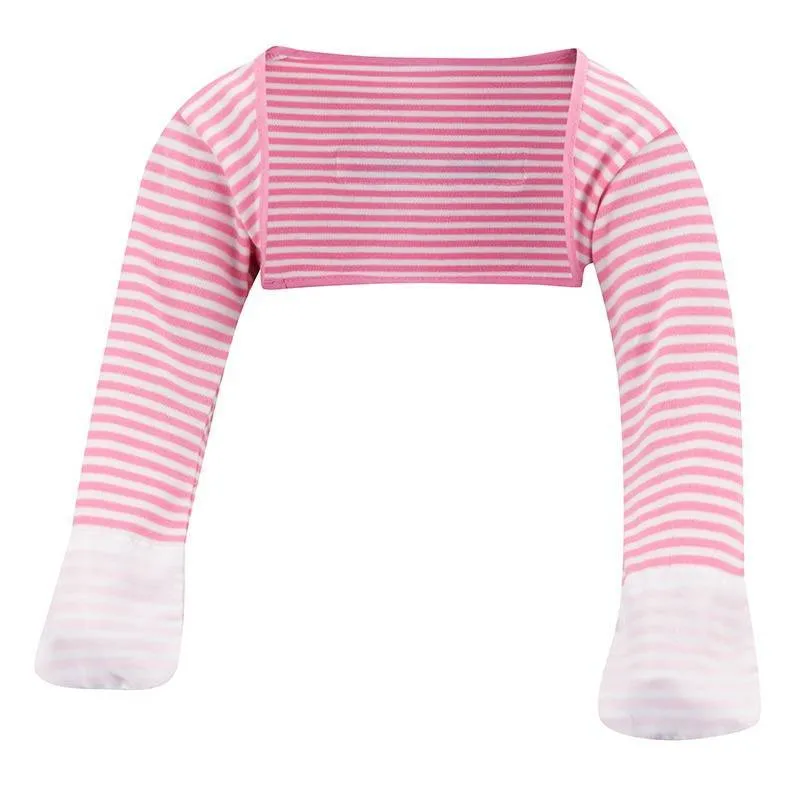
Extended Mitts

Sizes: 6 Months - 5 Year
Price range: US$22.50 through US$24.50

Related Articles

Husband handing wrapped gift to wife

Thoughtful gifts for eczema sufferers

Coming up with interesting and thoughtful gifts can be…

6 min read
Young African-American woman with itchy skin scratching her neck. Her expression show how itchy her eczema is.

Adult eczema: What is it and how does it differ from childhood eczema?

Although eczema is more common in babies and children,…

6 min read
Stressed young man sitting in front of laptop, holding his head

Eczema and stress in adults

Stress can wreak havoc on the body. Common symptoms include…

6 min read
Afro-Caribbean man scratching the eczema on his face

Facial eczema in adults

Eczema is an uncomfortable condition, no matter where it…

6 min read
Man rubs cream into the eczema on his hands

Understanding hand eczema in adults

Our hands come into contact with many different materials…

6 min read
Women shaving legs with reusable razor and shaving gel

Eczema friendly hair removal (mostly for women)

Between shaving, waxing, sugaring, threading, tweezing, creams and laser…

6 min read
Man shaving with electric shaver - his face is covered with shaving foam.

Eczema and shaving (mostly for men)

Eczema prone skin can be sensitive to irritants, bacteria,…

6 min read
Man in bed looking tired but with his eyes wide open. He needs help getting to sleep.

Can melatonin help eczema sufferers sleep better?

Eczema is commonly associated with both poor sleep quality…

6 min read
Older lady applying moisturiser to dry skin on her arms.

Eczema and the (peri)menopause – how hormone changes can affect your skin

Eczema is one of those conditions that waxes and…

6 min read
Scroll to Top

Our Bestsellers

Cross-over

Sizes: 3 Months - 5 Year
Price range: US$20.50 through US$22.50

Original Cream

Sizes: 3 Months - 10 Year
Price range: US$14.50 through US$17.50

SuperSensitive

Sizes: 0 Months - Junior 164
Price range: US$16.50 through US$21.50

Special Edition

Sizes: 3 Months - Junior 152
Price range: US$16.50 through US$21.50

Striped PJ Tops

Sizes: 6 Months - 4 Year
Price range: US$18.50 through US$20.50

Sleepy Bear PJ Tops

Sizes: 6 Months - 4 Year
Price range: US$18.50 through US$20.50

As seen on TikTok

Stripes

Sizes: 3 Months - 5 Year
Price range: US$16.50 through US$18.50

Flip-mitt Bodysuits

Sizes: 0 Months - 4 Year
Price range: US$22.50 through US$26.50

SuperHero PJ tops

Sizes: 2 Year - 8 Year
Price range: US$20.50 through US$21.50

Extended Mitts

Sizes: 6 Months - 5 Year
Price range: US$22.50 through US$24.50