We've updated our website. Please let us know if you come across any glitches.

Key Takeaways
Essential oils have been used in the treatment of eczema for hundreds of years. However, there is not a great deal of reliable scientific evidence to support their use. While there is some evidence that essential oils may have anti-inflammatory or antimicrobial effects which may help ease some eczema symptoms, there is also good evidence that essential oils commonly aggravate skin conditions. We look at the pros and cons of using essential oils to treat eczema.
Essential oils are a mix of compounds taken from fragrant flowers, bark, leaves, or fruit of different plants. They are often marketed as a natural alternative to conventional remedies for a number of eczema symptoms, from skin infections to helping with sleep. However, there is very little robust scientific evidence that they can improve eczema symptoms. While this does not mean that there isn’t supporting evidence that has yet to be discovered, essential oils should be treated with a great deal of caution.
Essential oils are known to irritate skin and trigger allergic reactions when used directly onto the skin, diluted in bath water or diffused into the air1. These reactions can happen to anyone who uses them, but people with eczema are particularly prone to reactions. This is because the skin barrier of eczema sufferers is damaged making it easier for their skin to absorb any irritants and allergens in essential oils.
The best illustration that I have of the widespread nature of these reactions is that the first thing I’m asked when I talk to dermatologists about this blog is: ‘You don’t recommend essential oils do you?’.
Essential oils are extracted through a steam distillation process that uses heat and solvent chemicals. The result is a highly concentrated liquid mix of chemicals including both the active ‘essential’ compounds and other compounds that have made it through the extraction process. As they are derived from a natural product, essential oils will also vary from batch to batch.
Anyone can set up a business extracting and selling essential oils to the public so long as they don’t make any medical claims on the advertising or packaging. There is no way of knowing how pure an essential oil is.
Eczema sufferers are particularly prone to skin irritation from essential oils in all their forms. This includes undiluted, diluted in a carrier oil, diluted in water or airborne. While they may help with some people’s eczema, there is a high chance that any one oil or batch of oil could cause irritation.
Essential oils can be toxic if ingested, tea oil alone was responsible for 1387 poisoning incidents in Australia between 2014 and 20182. Personally, I’d rather play it safe and not keep unnecessary toxins in the house.
These should not be taken as recommendations for usage, but as a list of ingredients commonly found in children’s skin care products to treat with caution. Some essential oils are found so ubiquitously that it is easy to miss them as potential eczema triggers. For example, lavender oil diffusers are commonly suggested as a sleep aid but may actually be contributing to the problem.
Borage oil is derived from the seeds of the Borago officinalis plant and is rich in Omega 6 fatty acids. These fatty acids are important in maintaining a healthy skin barrier but are typically lacking in eczema skin. It has been shown to reduce the symptoms of eczema when applied directly to the skin in two studies3, 4. While encouraging, both studies were small (looking at just 69 children in total) and more research is needed to establish long term benefit and safety.
Tea tree oil is produced by distilling oil from the Melaleuca alternifolia (Myrtaceae), a tree that is native to Australia. It is thought to possess anti-inflammatory, antimicrobial, and antifungal properties that are likely to be beneficial for eczema sufferers. However, tea tree oil needs to be diluted in a carrier oil to reduce the risk of irritation. Again, while the results of scientific studies are encouraging5, more work needs to be done to establish benefits, safety and dosages.
Lavender oil is commonly used to promote relaxation and sleep and has been used for centuries to promote wound healing. Early research indicates that it also has anti-inflammatory6 and anti-microbial properties. It has been shown to be effective against the bacteria Staphylococcus aureus, which commonly infects eczema skin7. However, it is also known to cause contact dermatitis in some people8. Lavender oil should always be diluted in a carrier oil and patch tested before use.
Chamomile has been used medicinally since ancient times as an anti-inflammatory, antioxidant, mild astringent and wound healing medicine. Initial research suggests that chamomile can be helpful in reducing the symptoms of eczema9 and the likely mechanism for this is the dampening down of inflammation pathways10.
The painkilling properties of cloves have been used for centuries as the traditional cure for toothache. These same properties have now been shown to reduce itching resulting from a number of causes (although no eczema cases were included in the research)11. It has also been shown to have antimicrobial12 and anti-fungal properties13.
While some essential oils (including lavender and chamomile) can be used undiluted, the majority will require dilution with a carrier oil to minimise the risk of skin irritation. Dilution reduces the risk of irritation by spreading the active compounds more sparingly and can also improve their uptake into the skin.
Common carrier oils include sunflower oil, coconut oil, jojoba oil and almond oil. Given the growing understanding of food allergies growing out of skin sensitisation, it is wise to avoid the use of food oils until your child has been eating those foods for a while. This is especially true for nut oils. For blended carrier oils, check that they do not include peanut oil (also known arachis oil). Olive oil should also be avoided as this can damage the skin barrier14.
In addition to the risk of skin irritation, there is also concern that essential oils may cause hormonal changes. Over 65 essential oils contain compounds that are hormone disruptors which mimic or oppose hormones made in the body. Repeated use of essential oils containing these chemicals may lead to unwanted hormonal changes.
For example, clinical research found that repeated use of topical lavender oil and tea tree oil likely caused three adolescent boys to develop breast tissue15.
While essential oils can help alleviate eczema symptoms in some cases, the current lack of research into their effectiveness and possible side-effects, coupled with the lack of regulation over their production, makes them a risky choice for treating a child’s eczema. They are the ‘pet hate’ of every dermatologist I have spoken to.
If you do decide to try them, wait until your child is over 3 months old, choose a good quality supplier for your oils, dilute with a carrier oil for topical applications. As with all new topical products, patch test each oil (in the carrier oil) before using.
Here at ScratchSleeves, we aim to bring you trustworthy and accurate information. We collaborate with qualified dermatologists and doctors as well as drawing on peer-reviewed medical studies and our own experience as parents. All medical content is reviewed by a dermatologist or appropriate doctor prior to publication to ensure completeness, accuracy and appropriate use of medical language. Reviewer details can be found at the bottom of each reviewed post and also on our ‘Meet The Team’ page.
All scientific research referred to in our blog is found in peer-reviewed publications. All eczema related medical articles we refer to are included in the GREAT database (Global Resource of Eczema Trials) managed by the Centre of Evidence Based Dermatology at the University of Nottingham. This database brings together information on all randomised control trials and systematic reviews of eczema treatments. Trials are identified using a highly sensitive, comprehensive search strategy that is compatible with standard Cochrane methodology. Cochrane is internationally recognised as the highest standard in evidence-based health care. Links to the publications we refer to are listed at the bottom of each article.
The original editorial information we provide is not intended to be a substitute for professional medical advice, diagnosis, or treatment. Always seek the advice of your doctor or other qualified healthcare practitioners regarding a medical condition. Never disregard professional medical advice or delay in seeking it because of anything you have read on the ScratchSleeves blog.
Posadzki, P., Alotaibi, A., & Ernst, C. (2012, January). Adverse effects of aromatherapy: A systematic review of case reports and Case series. The International Journal of Risk & Safety in Medicine. https://pubmed.ncbi.nlm.nih.gov/22936057/
Lee, K., Harnett, J., & Cairns, R. (2020, February). Essential oil exposures in Australia: Analysis of cases reported to the NSW Poisons Information Centre. The Medical Journal of Australia. https://pubmed.ncbi.nlm.nih.gov/31709543/
Tollesson, A., & Frithz, A. (1993a, February). Transepidermal water loss and water content in the stratum corneum in infantile seborrhoeic dermatitis. Acta Dermato-venereologica. https://pubmed.ncbi.nlm.nih.gov/8095744/
Kanehara, S., Ohtani, T., Uede, K., & Furukawa, F. (2007, December). Clinical effects of undershirts coated with borage oil on children with atopic dermatitis: A double-blind, placebo-controlled clinical trial. The Journal of Dermatology. https://pubmed.ncbi.nlm.nih.gov/18078406/
Carson, C. F., Hammer, K. A., & Riley, T. V. (2006, January). Melaleuca alternifolia (tea tree) oil: A review of antimicrobial and other medicinal properties. Clinical Microbiology Reviews. https://www.ncbi.nlm.nih.gov/pmc/articles/PMC1360273/
Cardia, G. F. E., Silva-Filho, S. E., Silva, E. L., Uchida, N. S., Cavalcante, H. A. O., Cassarotti, L. L., Salvadego, V. E. C., Spironello, R. A., Bersani-Amado, C. A., & Cuman, R. K. N. (2018, March 18). Effect of lavender lavandula angustifolia essential oil on acute inflammatory response. Evidence-based Complementary and Alternative Medicine : eCAM. https://www.ncbi.nlm.nih.gov/pmc/articles/PMC5878871/
Aridoğan, B., Baydar, H., Kaya, S., Demirci, M., Ozbaşar, D., & Mumcu, E. (2002, December). Antimicrobial activity and chemical composition of some essential oils. Archives of Pharmacal Research. https://pubmed.ncbi.nlm.nih.gov/12510839/
Sugiura, M., Hayakawa, R., Kato, Y., Sugiura, K., & Hashimoto, R. (2000, September). Results of patch testing with Lavender Oil in Japan. Contact Dermatitis. https://pubmed.ncbi.nlm.nih.gov/10985632/
Patzelt-Wenczler, R., & Ponce-Pöschl, E. (2000, April). Proof of efficacy of kamillosan(r) cream in atopic eczema. European Journal of Medical Research. https://pubmed.ncbi.nlm.nih.gov/10799352/
Wang, W., Wang, Y., Zou, J., Jia, Y., Wang, Y., Li, J., Wang, W., Wang, C., Sun, J., Guo, D., Wang, F., Wu, Z., Yang, M., Wu, L., Zhang , X., & Shu, Y. (2021, September). The mechanism action of German chamomile (Matricaria Recutita L.) in the treatment of eczema: Based on dose-effect weight coefficient network pharmacology. Frontiers in Pharmacology. https://pubmed.ncbi.nlm.nih.gov/34658853/
Ibrahim, I., Elsaie, M., & Mohey-Eddin, M. (2017, December). Effectiveness of topical clove oil on symptomatic treatment of chronic pruritus. Journal of Cosmetic Dermatology. https://pubmed.ncbi.nlm.nih.gov/28382655/
Nuñez, L., & Aquino, M. D. (2012, October). Microbicide activity of clove essential oil (Eugenia caryophyllata). Brazilian Journal of Microbiology. https://www.ncbi.nlm.nih.gov/pmc/articles/PMC3769004/
Henley, D. V., Lipson, N., Korach, K. S., & Bloch, C. A. (2007). Prepubertal gynecomastia linked to lavender and tea tree oils. The New England Journal of Medicine, 356(5), 479–485. https://pubmed.ncbi.nlm.nih.gov/17267908/
Schroder, T., Gaskin, S., Ross, K., & Whiley, H. (2017). Antifungal activity of essential oils against fungi isolated from air. International Journal of Occupational and Environmental Health, 23(3), 181–186. https://www.ncbi.nlm.nih.gov/pmc/articles/PMC6060867/
impson, E. L., Keck, L. E., Enman, J. S., Oyefono, A., McAndrew, R., Kassakian, M., Hanifin, J. M., & Medina-Reyes, G. J. (2012). A pilot real-world study of daily emollient use in high-risk infants for the prevention of atopic dermatitis. Journal of the American Academy of Dermatology, 67(3), 518–519. https://pubmed.ncbi.nlm.nih.gov/22995032/
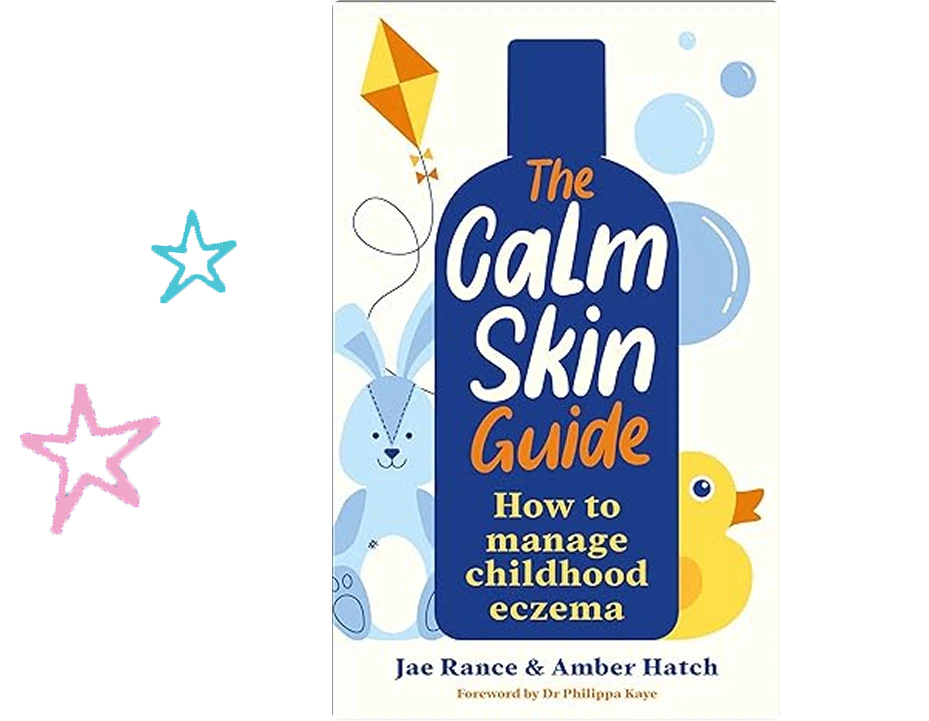
The Calm Skin Guide
Our guide gives parents the knowledge and tools to manage the condition, from understanding treatments to identifying triggers at home.
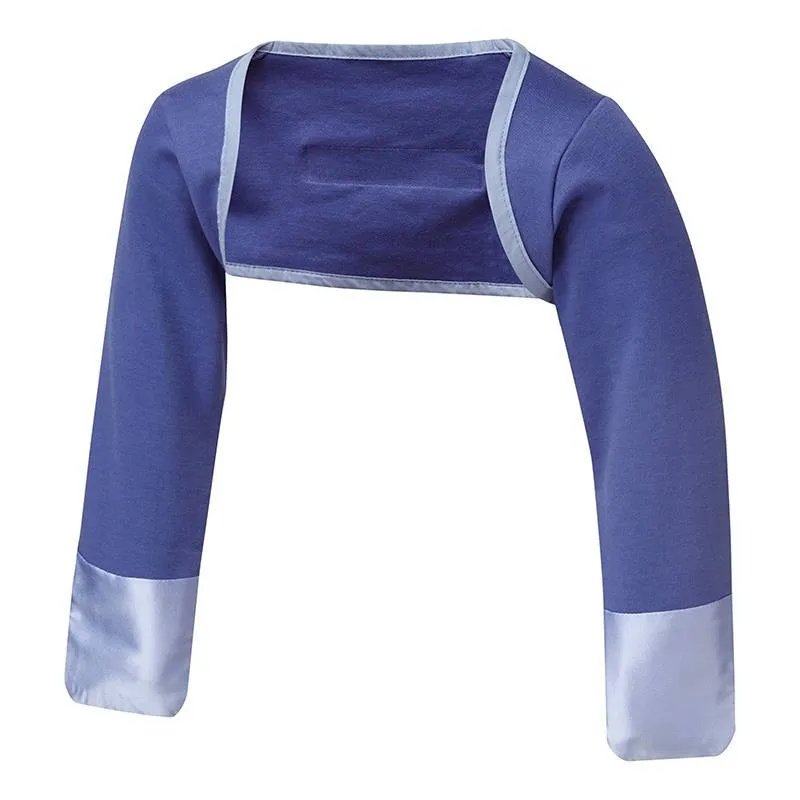
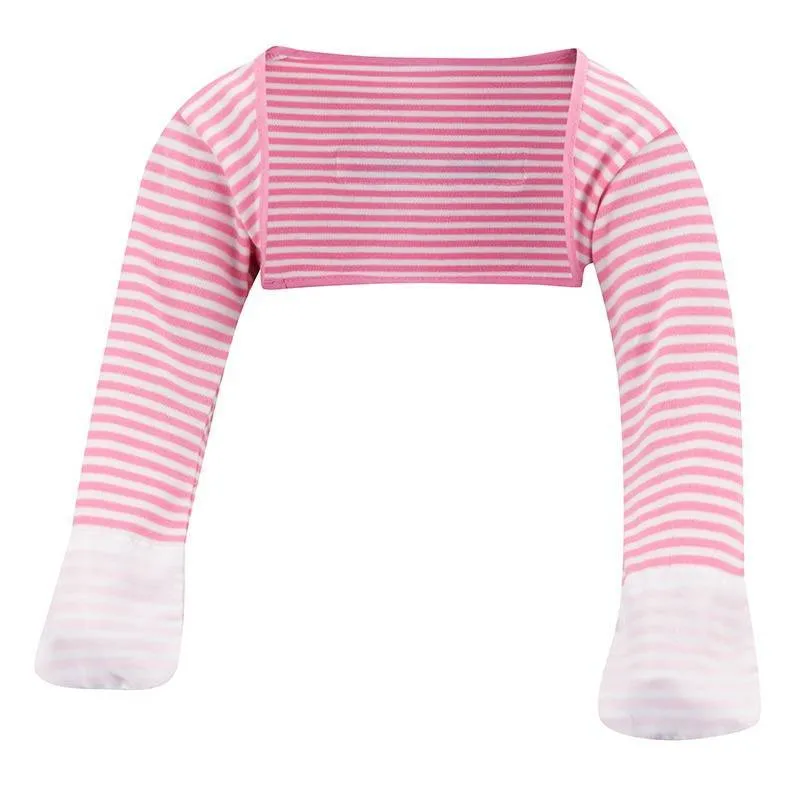
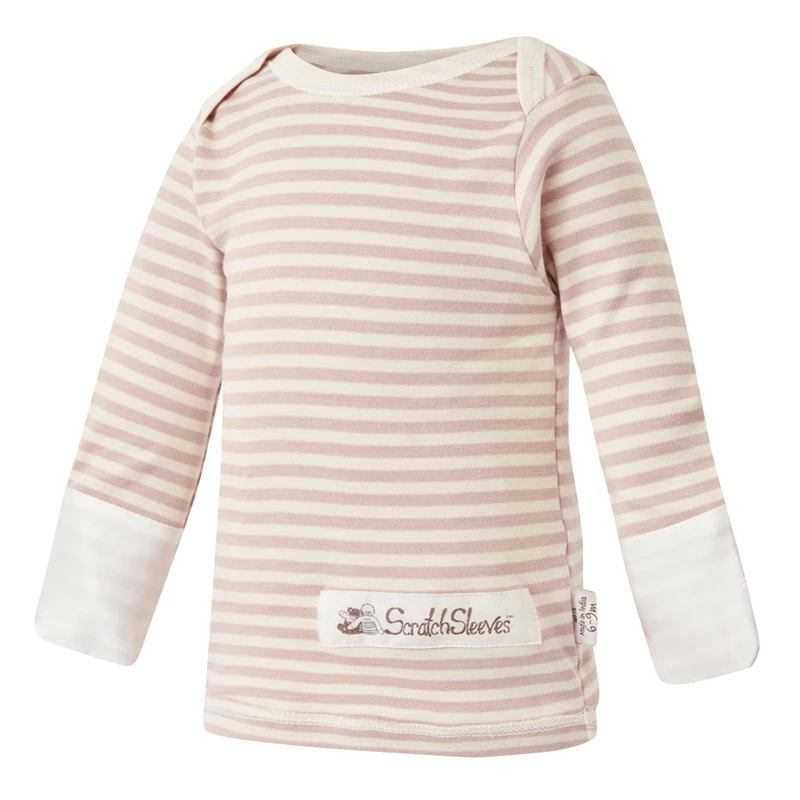
As well as sharing our experience of bringing up an eczema child (and favourite allergy-friendly recipes), we also manufacture and sell our unique stay-on scratch mitts and PJs for itchy babies, toddlers and children. We now stock sizes from 0-adult years in a range of colours and designs.
Perfect for wrigglers


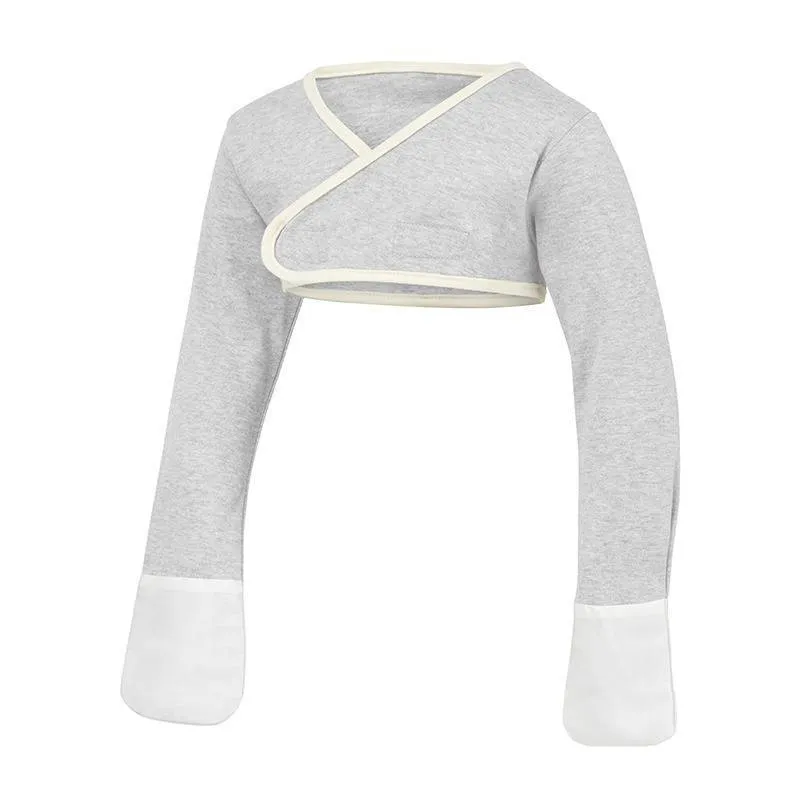
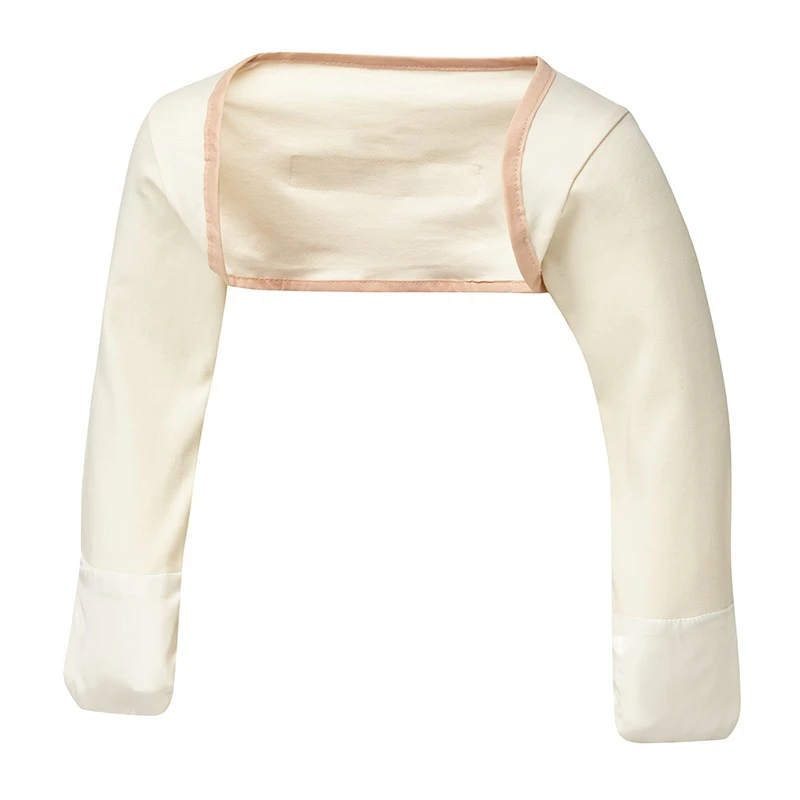
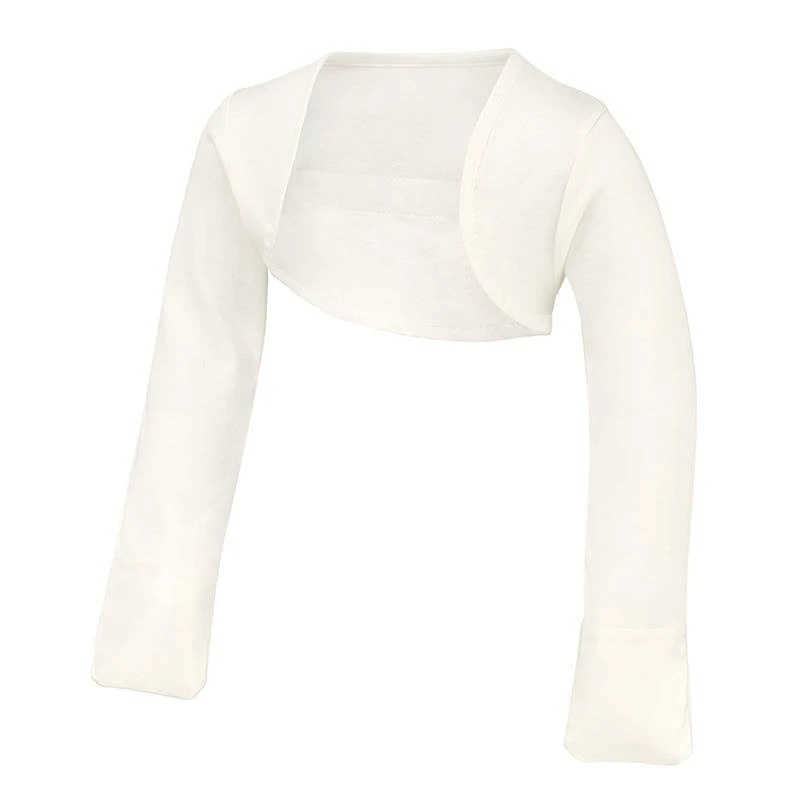
SuperSensitive

Special Edition


As seen on TikTok
Striped PJ Tops


Perfect for wrigglers
SuperSensitive
Special Edition
As seen on TikTok
Striped PJ Tops