We've updated our website. Please let us know if you come across any glitches.
Key Takeaways
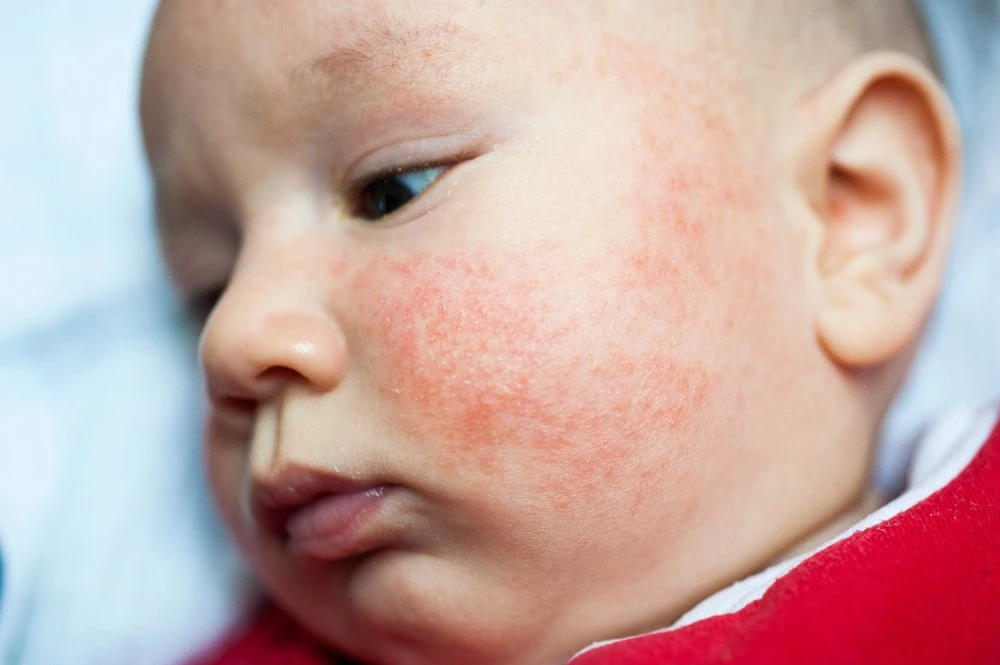
Rashes and minor skin problems are common in babies and infants. While most blemishes disappear without treatment, other skin problems linger, cause irritation and become a cause for concern. With the increasing prevalence of childhood eczema, most parents are vigilant to the symptoms, though because they bear striking similarities to baby acne it can be difficult to tell them apart. In this article, we explain how can you tell the difference between acne and eczema in babies and infants.
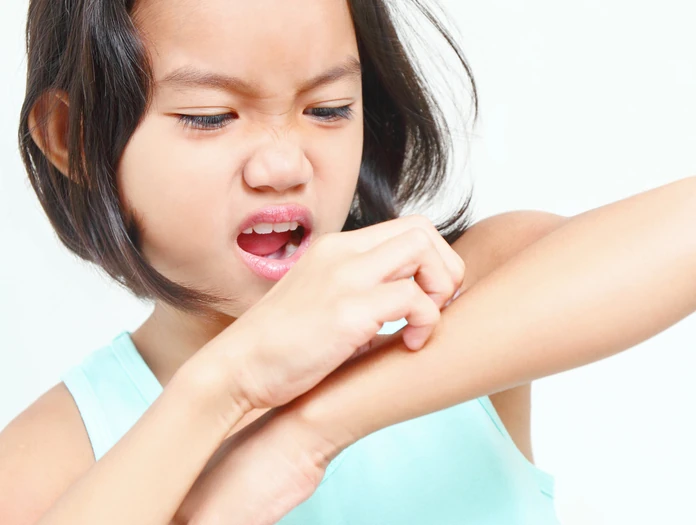
Eczema, also known as atopic dermatitis, typically develops in infants from around the age of four to six months. It is a chronic skin condition that will take the form of red, dry and itchy rashes on the skin.
The most common place for eczema in babies and infants is in the folds of skin such as in elbow joints or the back of the knees. However, eczema is also common on the face and scalp too. When the skin is dry, eczema can be exacerbated. As a result, eczema is usually worse in the colder winter months when we experience the drying effects of central heating. That said, the summer can be a difficult time also because eczema becomes irritated as a result of the sweat that collects in the folds of the skin.
If you think your child or infant baby has eczema it’s best to book an appointment with your GP or dermatology consultant. They will confirm the diagnosis and give tailored advice on the best treatments.
Fortunately, in most cases, infant eczema will clear up as your child grows.

Of course, you can find lots of help and advice on the treatment of eczema on our blog.
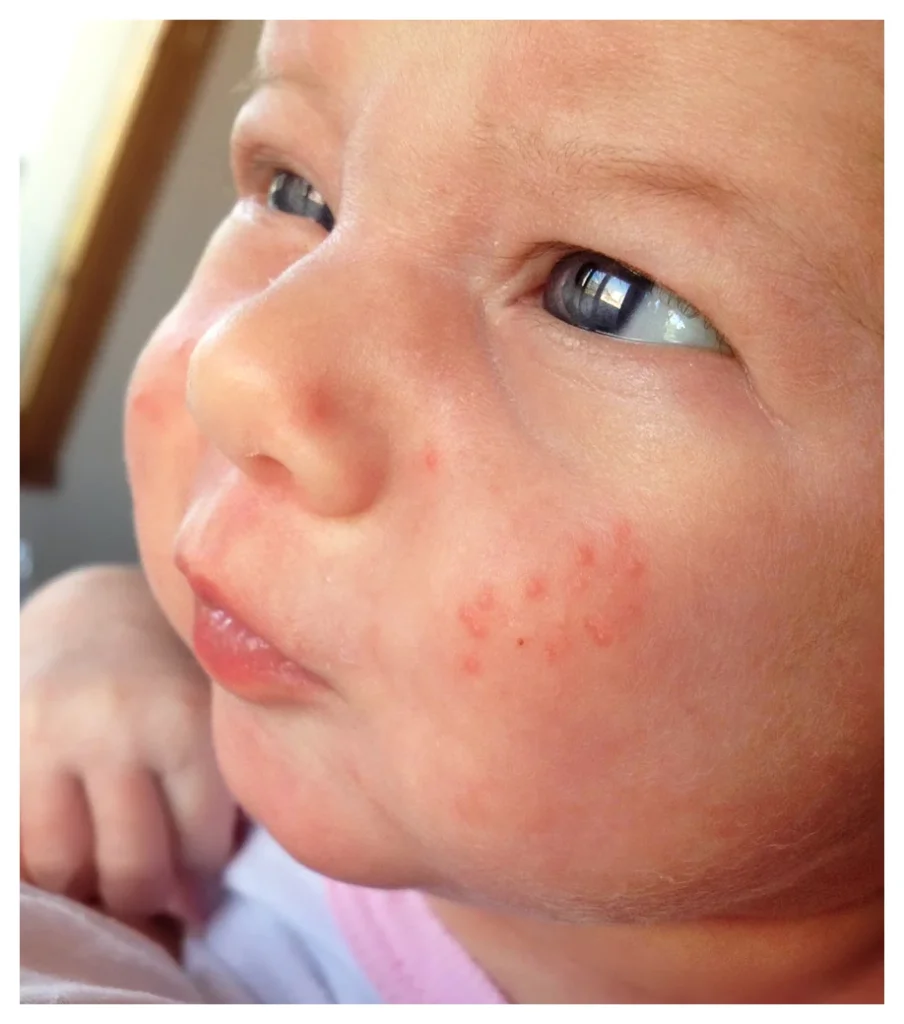
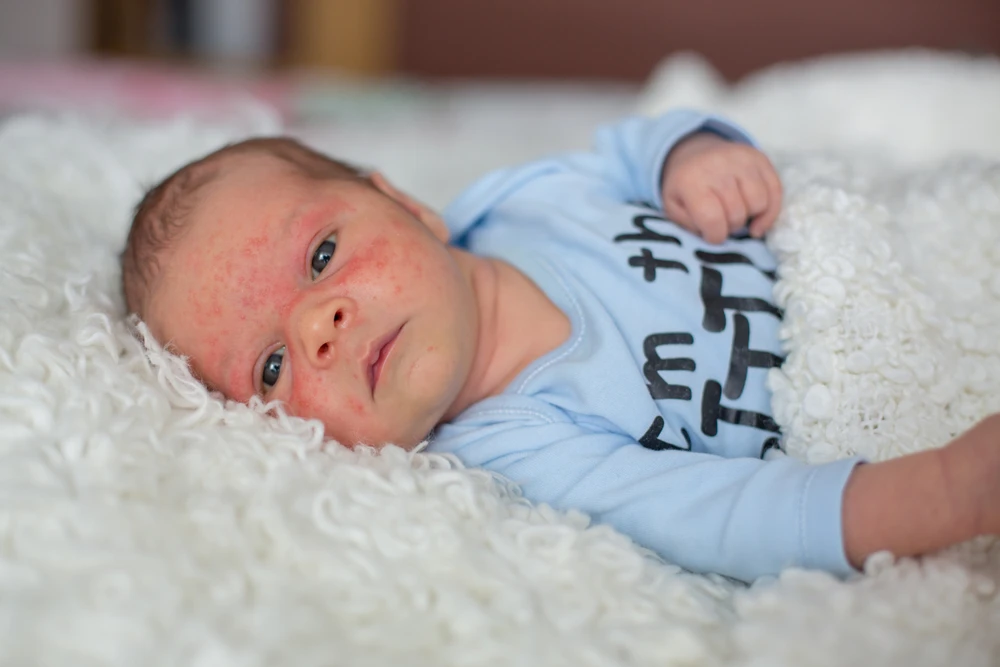
Acne typically presents as small, red bumps and pimples on the skin, caused by the mix of oil, bacteria and hormones from the mother. It’s really just a way for your baby’s skin to get used to life outside the womb.
The main difference between infant acne and eczema is that acne, whilst it may look unsightly, won’t itch. Also, infant acne usually develops in newborn babies who are just a few weeks old. It generally disappears with few months.
In many cases, infant acne will disappear as quickly as it arrived, without the need for any treatment.
However, it’s worth making sure you keep the affected area clean, using a mild soap if necessary, and patting dry rather than rubbing the skin. It is important not to over-wash the area as it can become dry and cause irritation for your baby.
If you’re not sure whether your newborn baby has acne or eczema, or if the bumps look unusual or your baby is distressed, it’s best to see your GP. Your GP will be used to looking at various childhood skin conditions so will be able to reassure you and help you determine the right course of action to take.
Here at ScratchSleeves, we aim to bring you trustworthy and accurate information. We collaborate with qualified dermatologists and doctors as well as drawing on peer-reviewed medical studies and our own experience as parents. All medical content is reviewed by a dermatologist or appropriate doctor prior to publication to ensure completeness, accuracy and appropriate use of medical language. Reviewer details can be found at the bottom of each reviewed post and also on our ‘Meet The Team’ page.
All scientific research referred to in our blog is found in peer-reviewed publications. All eczema related medical articles we refer to are included in the GREAT database (Global Resource of Eczema Trials) managed by the Centre of Evidence Based Dermatology at the University of Nottingham. This database brings together information on all randomised control trials and systematic reviews of eczema treatments. Trials are identified using a highly sensitive, comprehensive search strategy that is compatible with standard Cochrane methodology. Cochrane is internationally recognised as the highest standard in evidence-based health care. Links to the publications we refer to are listed at the bottom of each article.
The original editorial information we provide is not intended to be a substitute for professional medical advice, diagnosis, or treatment. Always seek the advice of your doctor or other qualified healthcare practitioners regarding a medical condition. Never disregard professional medical advice or delay in seeking it in because of anything you have read on the ScratchSleeves blog.
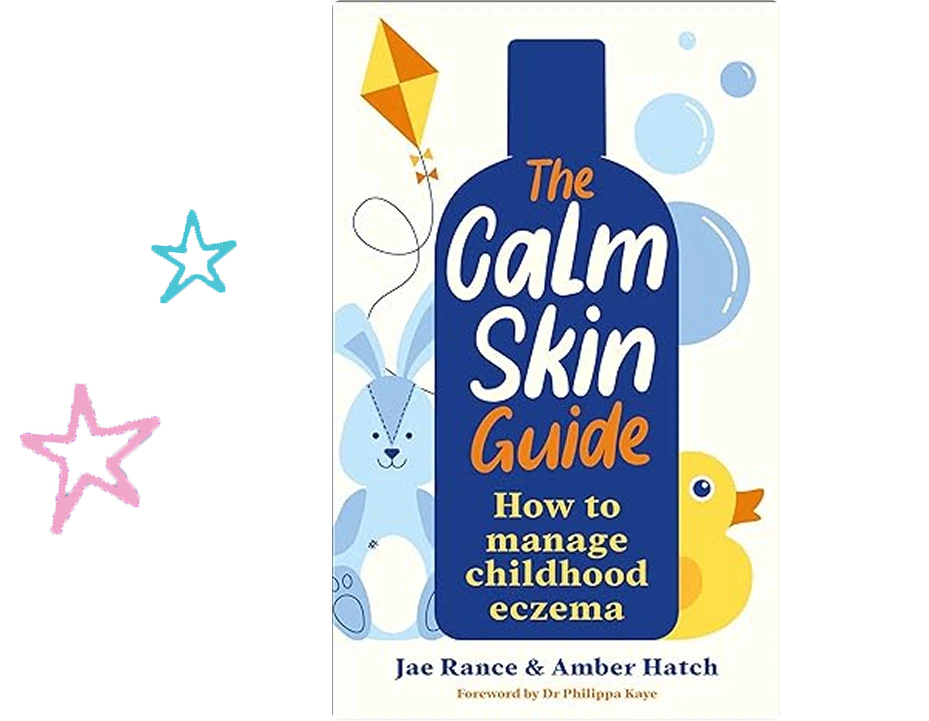
The Calm Skin Guide
Our guide gives parents the knowledge and tools to manage the condition, from understanding treatments to identifying triggers at home.
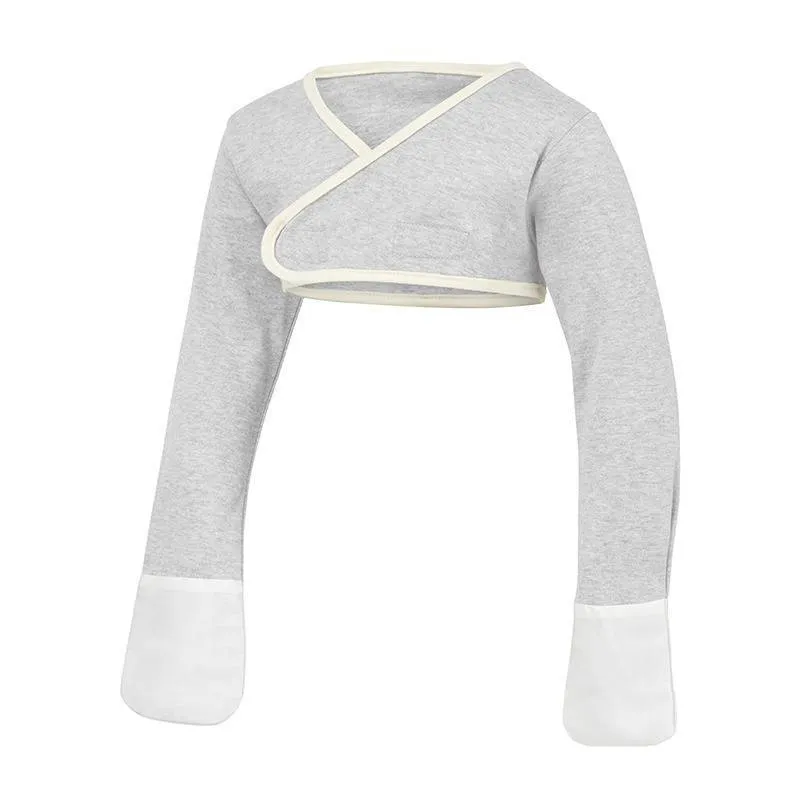
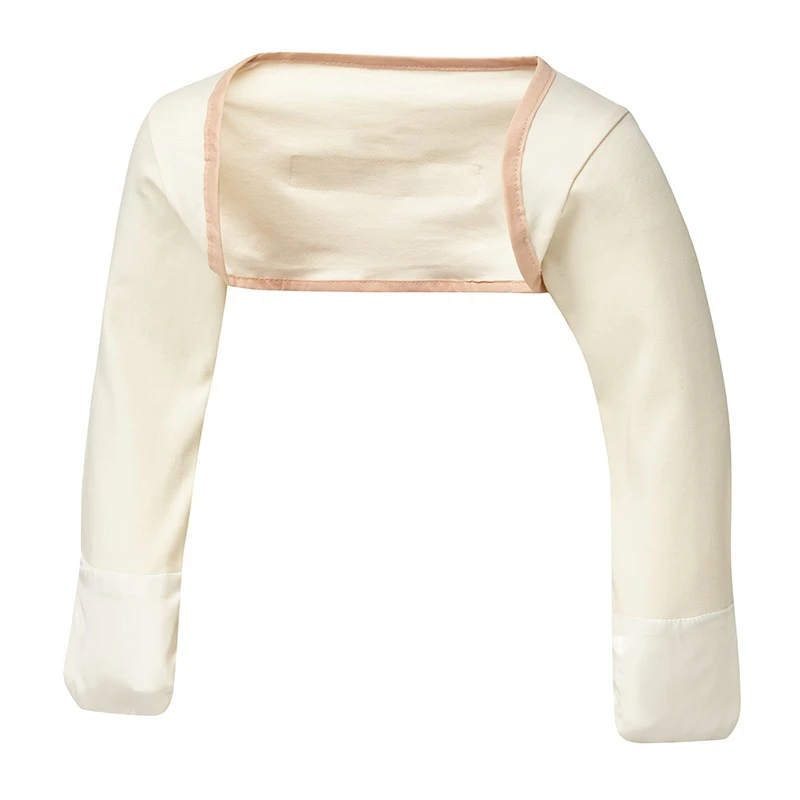
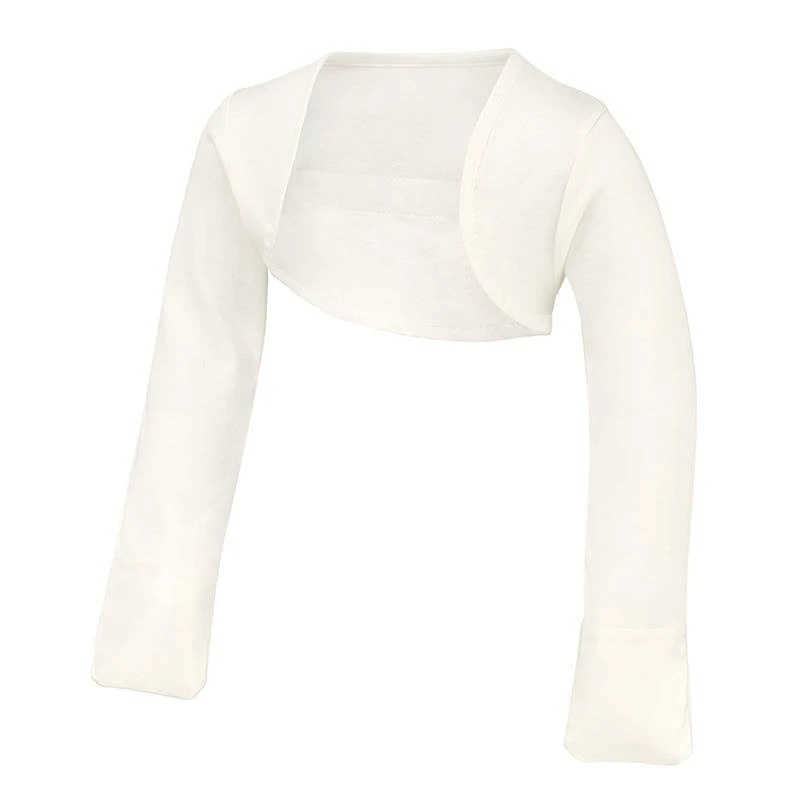
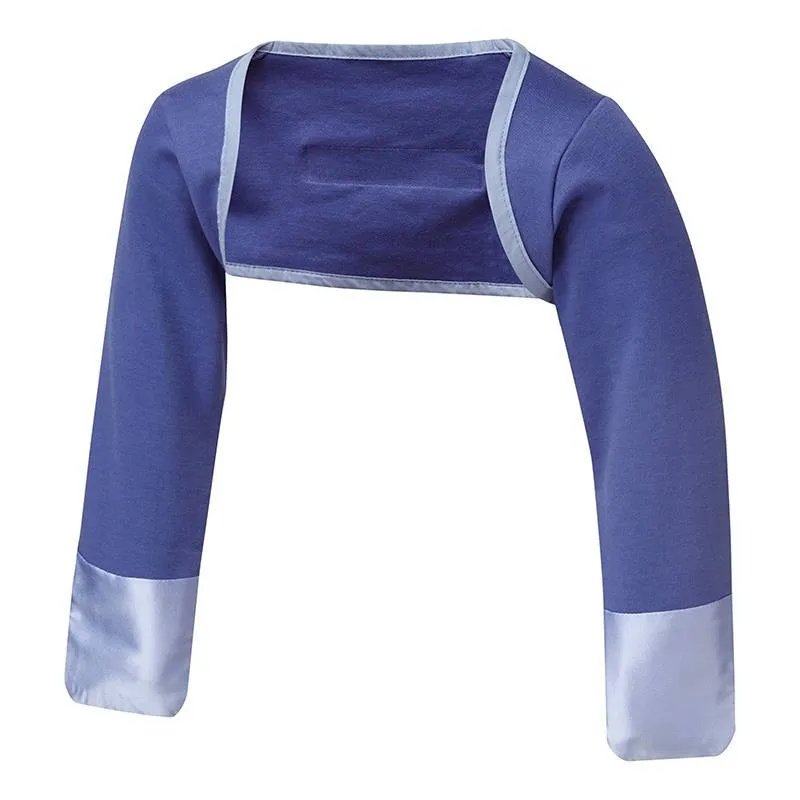
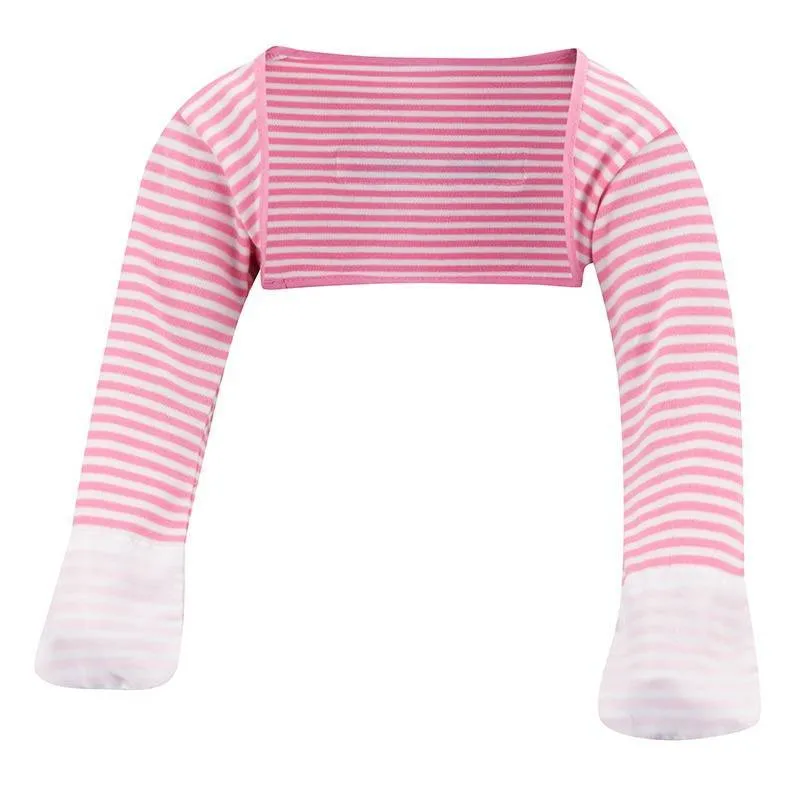
As well as sharing our experience of bringing up an eczema child (and favourite allergy-friendly recipes), we also manufacture and sell our unique stay-on scratch mitts and PJs for itchy babies, toddlers and children. We now stock sizes from 0-adult years in a range of colours and designs.
Perfect for wrigglers


SuperSensitive

Special Edition


As seen on TikTok
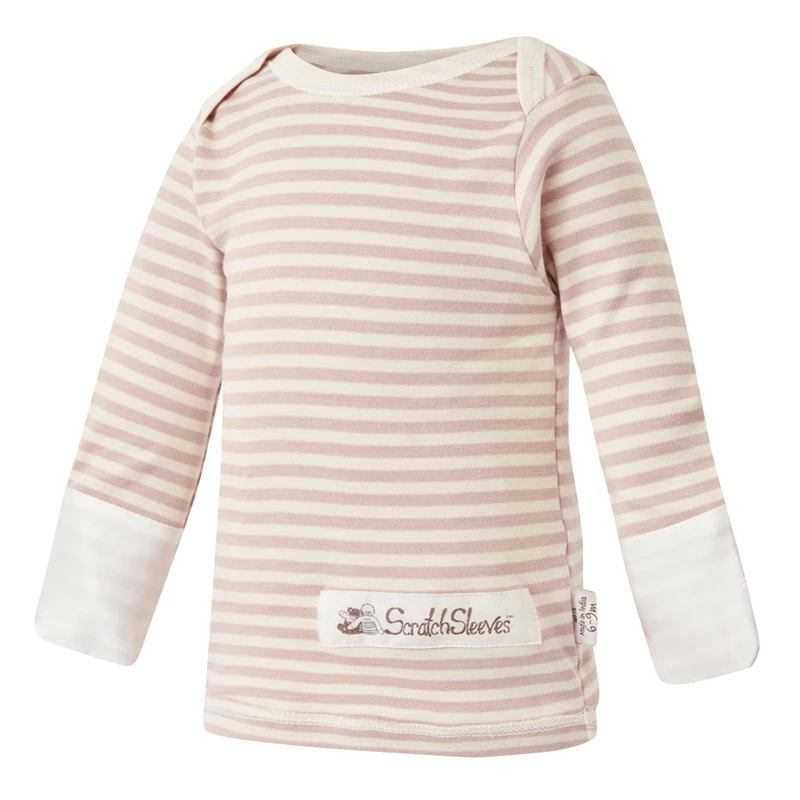
Striped PJ Tops


Perfect for wrigglers
SuperSensitive
Special Edition
As seen on TikTok
Striped PJ Tops