We've updated our website. Please let us know if you come across any glitches.

Key Takeaways
In this article, we look at the role the liver plays in eczema, as well as how to ensure that your little one’s diet helps their liver to function as efficiently. Liver function has been understood to have a role in eczema since the early twentieth century1. However, modern eczema treatments pay little or no attention to liver health, even though it has been shown that children with eczema have a much higher likelihood of having an unhealthy, fatty liver than children without eczema. We’ll cover how the liver works, how this can affect the skin and what you can do to support your child’s liver function through what they eat.
The liver is a vital organ that has multiple functions within the body that support immunity, metabolism, digestion, vitamin storage and detoxification.
The liver can be thought of as a complex filter. All the blood leaving the stomach and intestines goes through the liver. The blood enters the liver full of nutrients, which are then filtered and sorted. The useful nutrients are processed and the remaining nutrients not required immediately are stored for later use.
The liver also identifies any toxins and harmful chemicals within the blood and removes them. It does this by either turning them into a product that is no longer harmful to the body or by transferring them to the bile for removal. Bile is produced by the liver and has two main functions: to remove toxins and by-products from the liver via the intestines and help with the breakdown and digestion of fats in the intestines.
The liver processes all of the food and drinks consumed as well as any environmental toxins that have found their way into the body. So it is important to keep the liver as healthy and happy as possible. An unhealthy liver is less able to break down toxins efficiently, causing them to build up in the body. As a result, the body will try to flush these toxins out in other ways, such as through sweat. When those harmful substances are expelled through the pores, they can irritate and inflame the skin.
Babies are not born with a fully functioning liver, it takes around 2 years for liver-function to mature2. This means that toxins are more likely to be expelled through the skin (instead of the bile) than in older children. It can take longer for younger children to eliminate unwanted, itch-inducing chemicals.
In older children, eczema has been linked to liver problems. One study also found that children who suffer from eczema have an increased incidence of fatty liver. 33.9% of children with eczema compared to 12.5% of non-obese children without eczema3. Another study, suggests that fatty liver is the result of eczema, rather than the cause4. Regardless of the exact relationship, fatty liver in older patients is known to be associated with itchy skin and can lead to other health issues in the long term. So it makes sense to include supporting your child’s liver health as part of their eczema treatment.
One way in which infant eczema sufferers can help to support their liver is by ensuring high levels of vitamin C, Vitamin B6 and flavonoids in their diet. Vitamin C helps to prevent fat accumulation in the liver and has been shown to improve liver function5. If you are considering using a vitamin C supplement, one containing liposomal vitamin C, as this form is absorbed much more effectively than other forms6.
Vitamin B6, or biotin, helps the liver to detoxify chemicals such as salicylates, benzoic acids and preservatives in foods and reduce their toxic side effects (read more about chemical intolerances). Biotin is found in potatoes (regular and sweet), salmon, lentils, bananas, beef and chicken.
A diet rich in flavonoids will also help support your little one’s liver function7. Flavonoids are a diverse group of phytonutrients (plant chemicals) found in almost all fruits and vegetables. Along with carotenoids, they are responsible for the vivid colours in fruits and vegetables. Flavonoids are the largest group of phytonutrients, with more than 6,000 types. Like other phytonutrients, flavonoids are powerful antioxidants with anti-inflammatory and immune system benefits. One flavonoid in particular, quercetin, is particularly helpful for eczema sufferers not only improving liver health, but is also in suppressing histamine production and inflammation8. Quercetin is found in red onions, shallots, berries, cherries, grapes, red apples and tomatoes (especially organically grown ones). Read more about flavonoids and eczema here.

The body has a natural pH of 7.35-7.45, meaning that it is slightly alkaline. However, the average western diet is more acidic than this, so the liver has extra work to do to neutralise the dietary acid.
There is a lot of psuedo-sceience and very little solid evidence surrounding the benefits of alkalising diets, especially regarding their ability to protect against bone density loss and cancer. However, a recent study has shown that acidic diets are linked to an increase in fatty liver disease9. While this doesn’t prove that eating an alkaline diet supports liver function, it does indicate that acidic diets are detrimental to liver health. Given that we know that young children typically have a naturally weak liver function and that the liver is so important in clearing toxins from the body, it makes sense not to avoid putting your little one’s liver under unnecessary stress.
On the bright side, it is easy to ensure your child has a balanced to more alkaline pH level. This can be done by just adding more alkaline foods, most fruit and vegetables, into their diet and cutting back on sugar, meat and processed foods. It is important not to remove acidic foods from your child’s diet as they are necessary for a healthy balanced diet, for example citrus fruits such as oranges are acidic but are also a good source of vitamin C. Highly alkaline, child-friendly foods include; green vegetables such as spinach, kale and broccoli, red cabbage, apples and watermelon. Try our yummy recipe for liver-friendly oat and carob fruity crumbles here.
The skin and liver, along with the kidneys, are the body’s ‘eliminating organs’. They are responsible for getting rid of unwanted and toxic chemicals from the body. This means that skin and liver health are inextricably linked. By feeding your itchy little one a varied diet, rich in vegetables, vitamin C and biotin, you can support their liver while it matures. This will give their body the best chance of eliminating irritating itch-inducing chemicals and toxins.
Role of the Liver in Congestive Eczema. Eichenlaub, F. J. Archives of Dermatology 1948, 57 (2), 171. https://jamanetwork.com/journals/jamadermatology/article-abstract/521839
Hepatic Function and Physiology in the Newborn. Beath, S. V. Seminars in Neonatology 2003, 8 (5), 337–346. https://pubmed.ncbi.nlm.nih.gov/15001122/
Prevalence of fatty liver in non-obese Japanese children with atopic dermatitis. Kimata, H. Indian Pediatrics 2005 Jun;42(6):587-93 https://pubmed.ncbi.nlm.nih.gov/15995275/
Atopic Dermatitis Causes Lipid Accumulation in the Liver of NC/Nga Mouse. Seino, S et al. Journal of Clinical Biochemistry and Nutrition 2012, 50 (2), 152–157. https://www.ncbi.nlm.nih.gov/pmc/articles/PMC3303478/
Effects of Oral Vitamin C Supplementation on Liver Health and Associated Parameters in Patients with Non-Alcoholic Fatty Liver Disease: A Randomized Clinical Trial. He, Z. et al Frontiers in Nutrition 2021 https://pubmed.ncbi.nlm.nih.gov/34595203/
Liposomal-Encapsulated Ascorbic Acid: Influence on Vitamin C Bioavailability and Capacity to Protect against Ischemia–Reperfusion Injury. Davis, J. et al. Nutrition and Metabolic Insights 2016, 9, NMI.S39764. https://pubmed.ncbi.nlm.nih.gov/27375360/
Quercetin Supplementation in Non-Alcoholic Fatty Liver Disease. Hosseinikia, M. et al Nutrition & Food Science 2020, 50 (6), 1279–1293. https://www.emerald.com/insight/content/doi/10.1108/NFS-10-2019-0321/full/html
Quercetin with the Potential Effect on Allergic Diseases. Jafarinia, M et al. Allergy, Asthma & Clinical Immunology 2020, 16 (1). https://pubmed.ncbi.nlm.nih.gov/32467711/
Diet-Dependent Acid Load—The Missing Link between an Animal Protein–Rich Diet and Nonalcoholic Fatty Liver Disease? Alferink, L. J. M.et al. The Journal of Clinical Endocrinology and Metabolism 2019, 104 (12), 6325–6337. https://pubmed.ncbi.nlm.nih.gov/30977830/
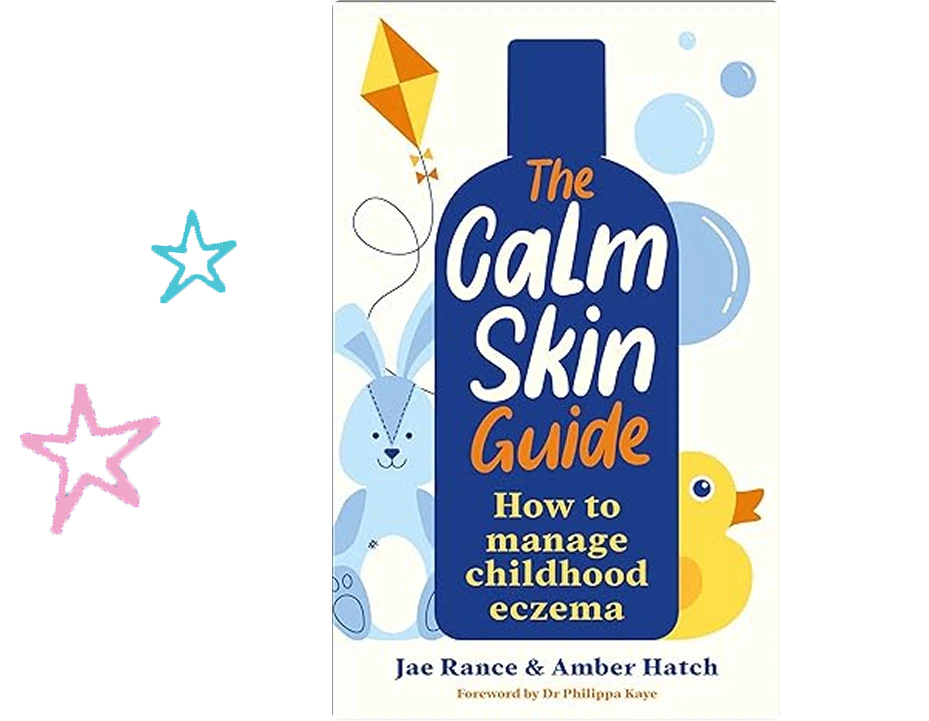
The Calm Skin Guide
Our guide gives parents the knowledge and tools to manage the condition, from understanding treatments to identifying triggers at home.
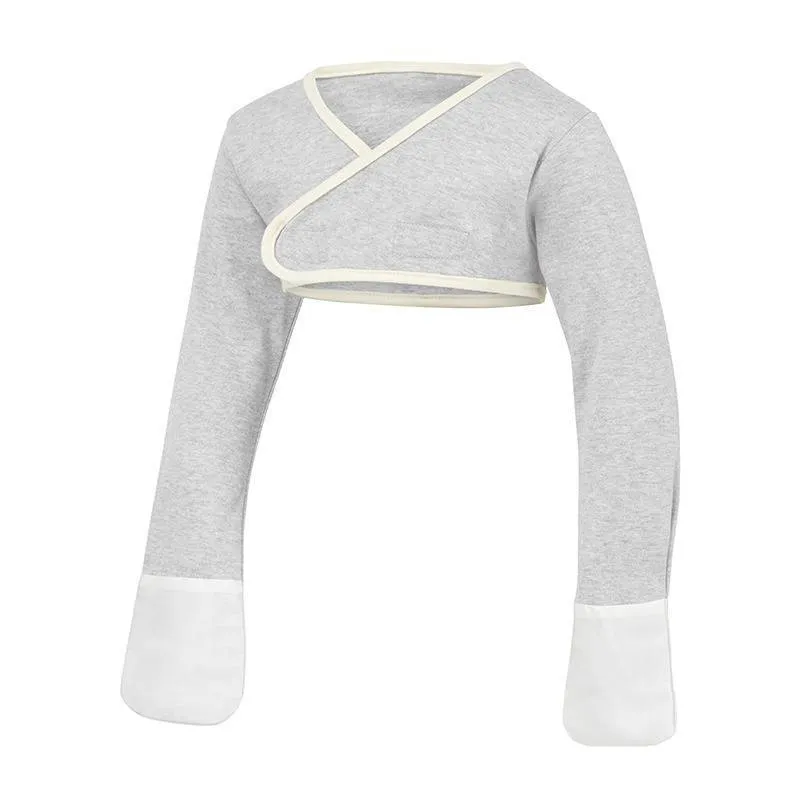
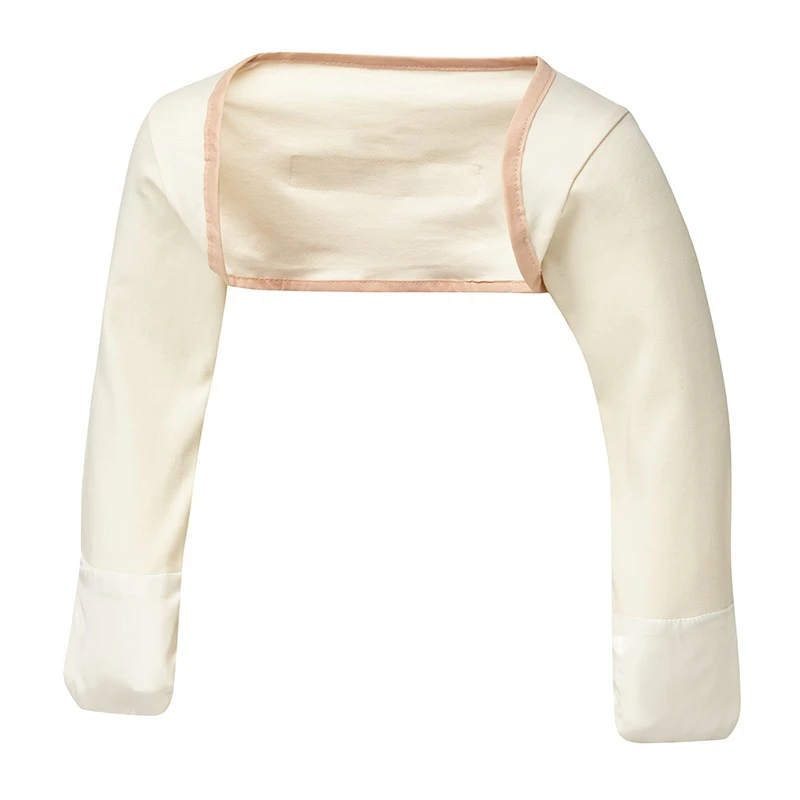
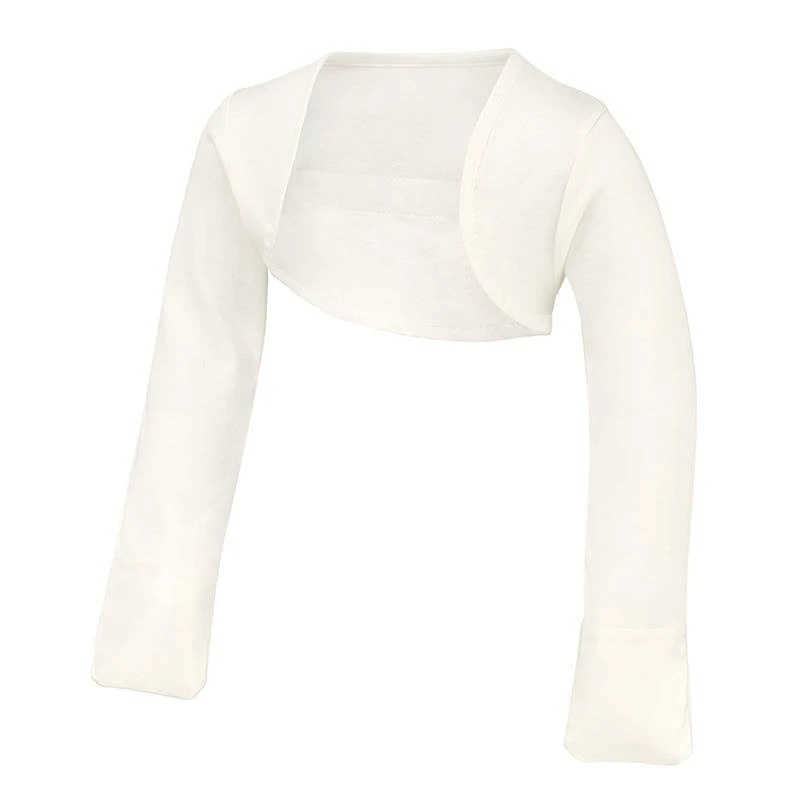
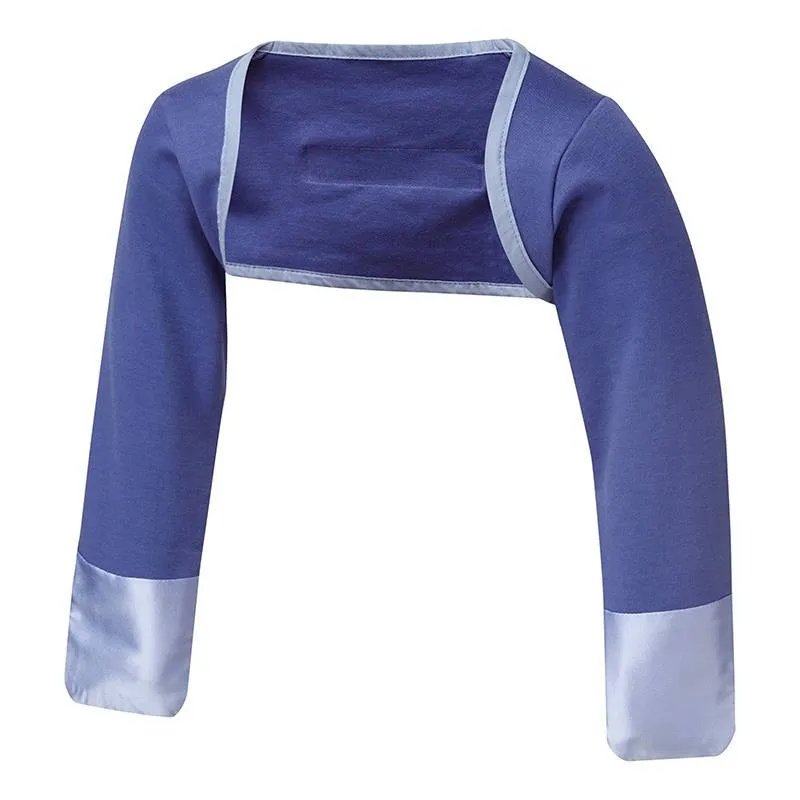
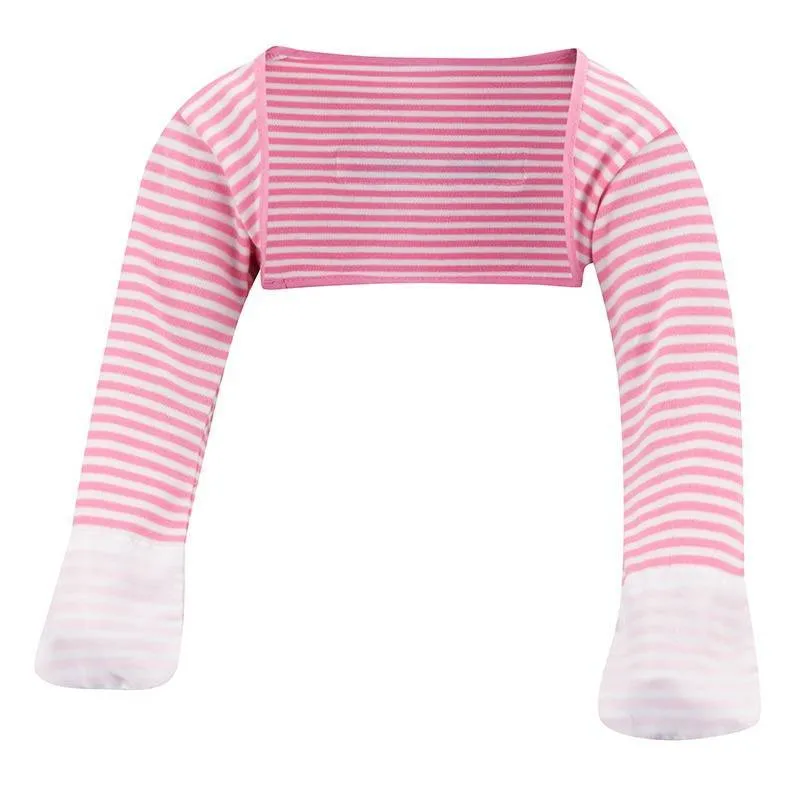
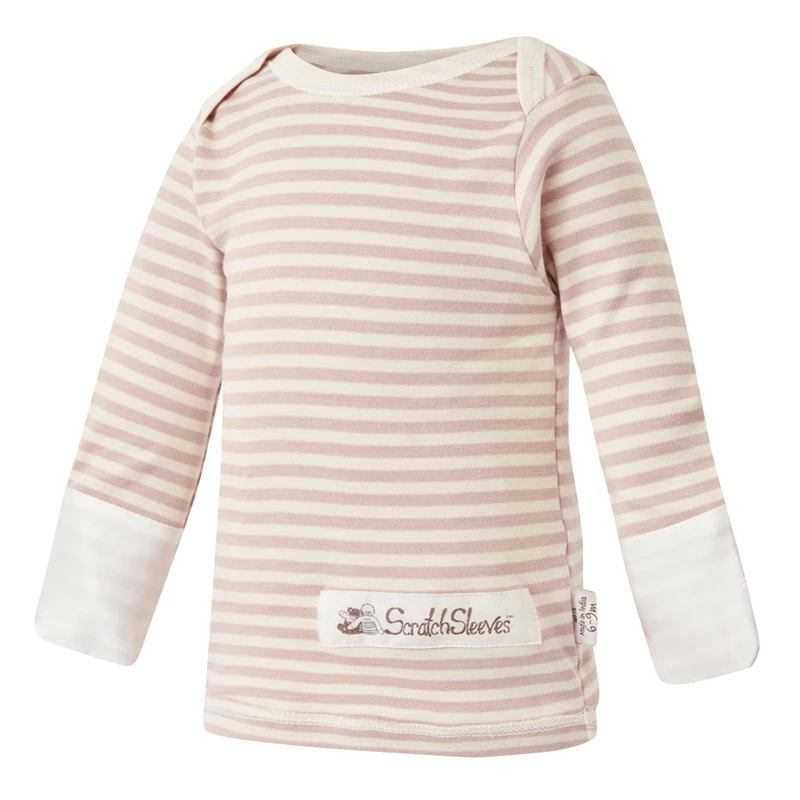
As well as sharing our experience of bringing up an eczema child (and favourite allergy-friendly recipes), we also manufacture and sell our unique stay-on scratch mitts and PJs for itchy babies, toddlers and children. We now stock sizes from 0-adult years in a range of colours and designs.
Perfect for wrigglers


SuperSensitive

Special Edition


As seen on TikTok
Striped PJ Tops


Perfect for wrigglers
SuperSensitive
Special Edition
As seen on TikTok
Striped PJ Tops