We've updated our website. Please let us know if you come across any glitches.

Key Takeaways
Winter is with us once again and while the children look forward to Christmas and snow. We parents need to prepare for those dreaded eczema flare-ups which are inevitable at this time of year. If your child is susceptible to seasonal eczema or suffers year-round, you’ll know only too well that the condition can be aggravated by the cold weather and central heating. Layers of clothing plus hats, gloves and scarves which can irritate the skin present a new challenge. In this article we look at the problem of chapped lips. And how these can trigger eczema flare-ups on the chin and cheeks.
We’ve previously written about how to manage your baby or child’s eczema in winter. We’ve also written specifically about caring for chapped hands in the cold weather (and when playing in the snow). Since then, many parents have talked to us about preventing chapped lips. Not only are chapped lips terribly painful, they can also cause eczema to spread from the mouth area to the chin and the cheeks. Hopefully, our winter eczema tips will help you prevent your child suffering from chapped eczema-prone lips this winter.
Visit our sister site, tepso.co.uk, for more adult focused information on preventing and treating chapped lips.
Unlike the skin covering other parts of our bodies, the skin on our lips has no sebaceous glands. Meaning that the lips are unable to create their own protective oils. In addition, the skin is also much thinner than that on the rest of our bodies. This makes the lips prone to drying out. While licking sore, dry lips does give temporary relief, it will dry them further them in the longer term as the enzymes in your saliva breakdown any remaining protective oils.
Chapped lips are most commonly associated with cold winter weather; dehydration and sun exposure are other common causes. Licking your lips frequently or eating salty foods are another possible cause. Allergies to food or personal care products, like some toothpaste ingredients (sodium laureth sulphate and cinnamon derived additives) can also dry out the lips. Less commonly, dry, chapped lips can be caused by a lack of vitamins and minerals (especially iron and B vitamins).
Prevention is always better than cure. So protecting the skin from the cold and damp is perhaps the best way to keep chapped lips at bay. Vaseline smeared over lips and around the mouth works a treat as a barrier for the skin. However, some children are put off by the taste.
If, like our 5-year-old, your little one makes out that lip balms taste disgusting, try making our honey and coconut oil balm. It takes only a few minutes to make. The honey taste is great for kids who are prone to licking their lips when any sort of cream is applied.
If you don’t have time to make your own, there are plenty of lip balms available from your local supermarket or pharmacy. These will range from major brands like Nivea and Vaseline to the more niche Burt’s Bees and Cowshed. As with all skin treatments for children with eczema, it’s best to try a little on your child to make sure they don’t have an allergic reaction.
Try to find an off-the-shelf product which is available in a tub rather than a stick or make sure the stick version is nicely pliable. Our tried and test lip balm reviews might help. Sticks can drag the skin on application especially when they are cold, which can open up partially healed cracked lips. Balm in a pot are typically softer and can be applied more gently with the tip of the finger.
Once you’ve found a brand that suits, stock up on supplies. Put them in your coat pocket, changing bag, your child’s coat pocket, school bag, bedside table and leave another in the kitchen. Having the balms ready to hand means you are more likely to apply before your little one’s lips get dry and cracked.
A word of warning
Carmex (and similar medicated brands) contains a local anaesthetic, which can help with very sore lips. However, they also contain menthol which makes lips tingle and it’s not easy to remove lip balm from a distressed toddler…
While, licking chapped lips can bring short term relief, it is only short term. In the longer-term, when you lick your lips, you’re coating them in saliva. Not only does it evaporate very quickly to leave lips drier than before, your saliva is also full of enzymes. These enzymes can remain on the lips and cause them to feel even drier and even more uncomfortable.
We all know just how difficult it is to not lick sore lips. Our tactics include gentle reminders whenever we catch the kids in the act, regular use of lip balm and covering faces with scarves.
Make sure that you moisturise your child’s whole face both morning and evening. Even if you don’t actively moisturise the lips, emollients will migrate to moisturise the lips as well. Regular eczema emollients are great for this, the greasier the better. Our kids aren’t keen on having a heavy emollient smeared over their faces. However, they can usually be persuaded to paint on a moisturiser moustache and beard.
Another good tip is to check that your child’s toothpaste is free of SLS (sodium lauryl sulfate). This is the chemical used to create the foaming action. SLS can dry the skin and is a known eczema trigger. Most supermarkets stock a small range of SLS-free toothpaste. Sensodyne is one of the best known brands with an SLS-free range. Less well known, but recommended by our dentist, is Oranurse which is both SLS free and unflavoured.
Finally, make sure your child remains hydrated. It’s so easy to get dehydrated in winter because you feel thirsty less often. Encourage your child to drink plenty of fresh water throughout the day. Send them to school with a full water bottle so you can monitor how much they’ve had when they get home. We also make sure our kids have a water bottle by their bed so that they have a few sips before sleep.
Sudden changes in temperature where you come in from the cold to a cosy, centrally heated home or classroom can also affect eczema-prone skin. When outside, encourage your child to protect their skin from the cold and wind with a scarf or snood.
If they’re particularly sensitive, be careful of the materials which are worn next to the skin. A cotton-based scarf or snood is likely to be less aggravating than pure wool. Try to avoid synthetic materials as they don’t allow the skin to breathe.
We’ve got a great article here on how to choose winter clothing for eczema skin.
If you find you’re fighting a losing battle between chapped lips and eczema, it may be appropriate to use a steroid cream for a short time in order to bring the skin back under control. However, it’s best to check with your GP first as only very mild steroid creams are appropriate for use on the face. You can find more information on using steroid creams to control eczema here.
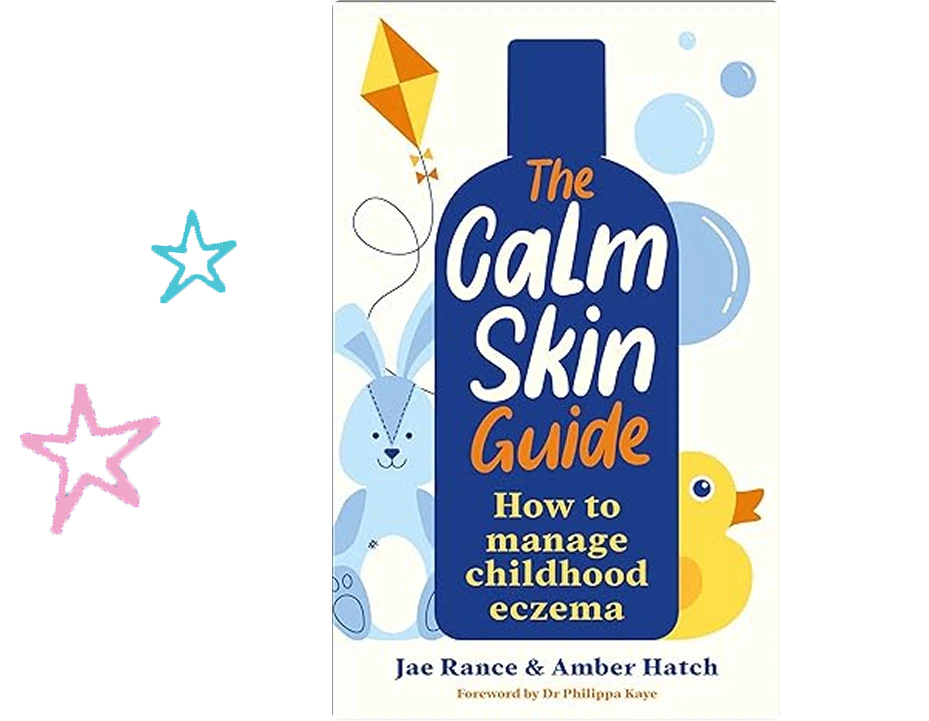
The Calm Skin Guide
Our guide gives parents the knowledge and tools to manage the condition, from understanding treatments to identifying triggers at home.
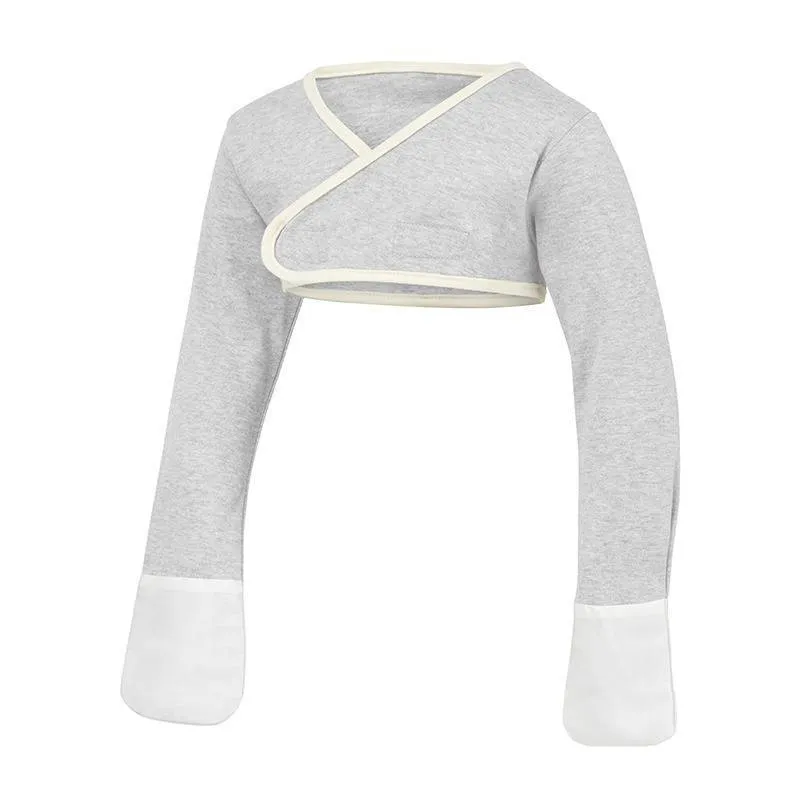
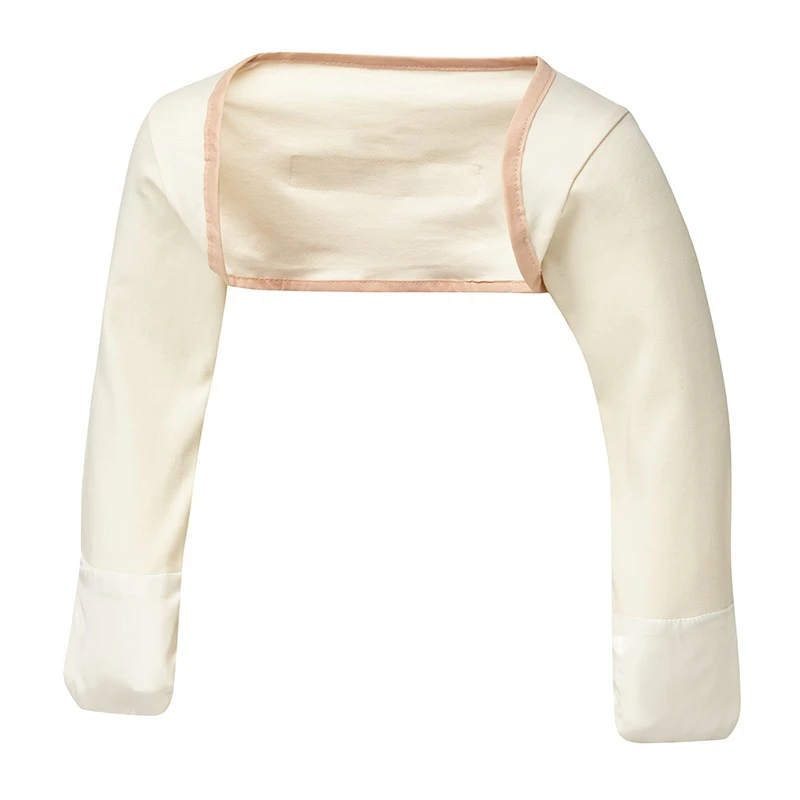
As well as sharing our experience of bringing up an eczema child (and favourite allergy-friendly recipes), we also manufacture and sell our unique stay-on scratch mitts and PJs for itchy babies, toddlers and children. We now stock sizes from 0-adult years in a range of colours and designs.
Perfect for wrigglers


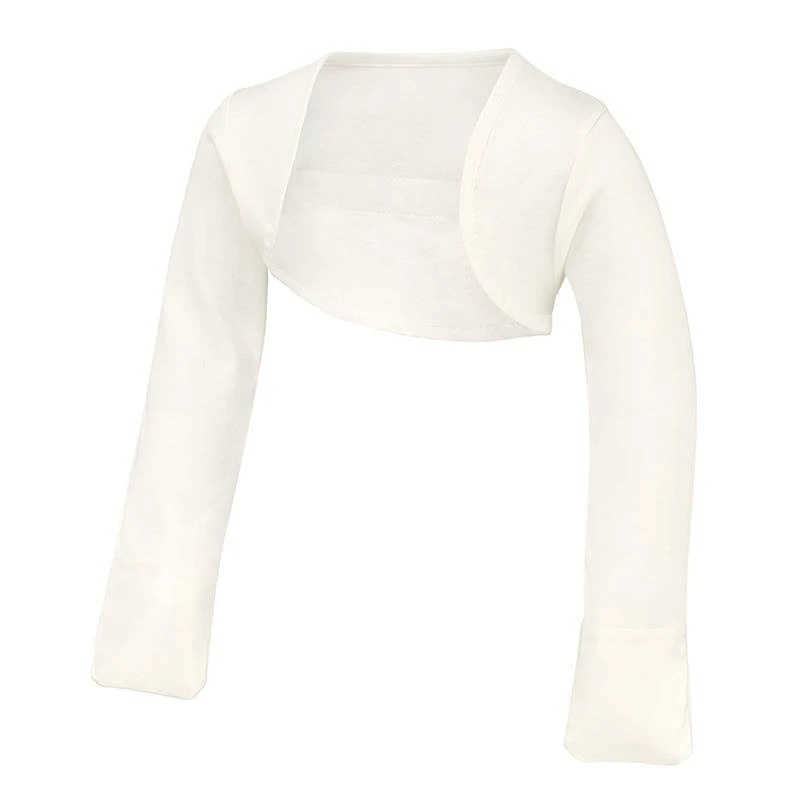
SuperSensitive

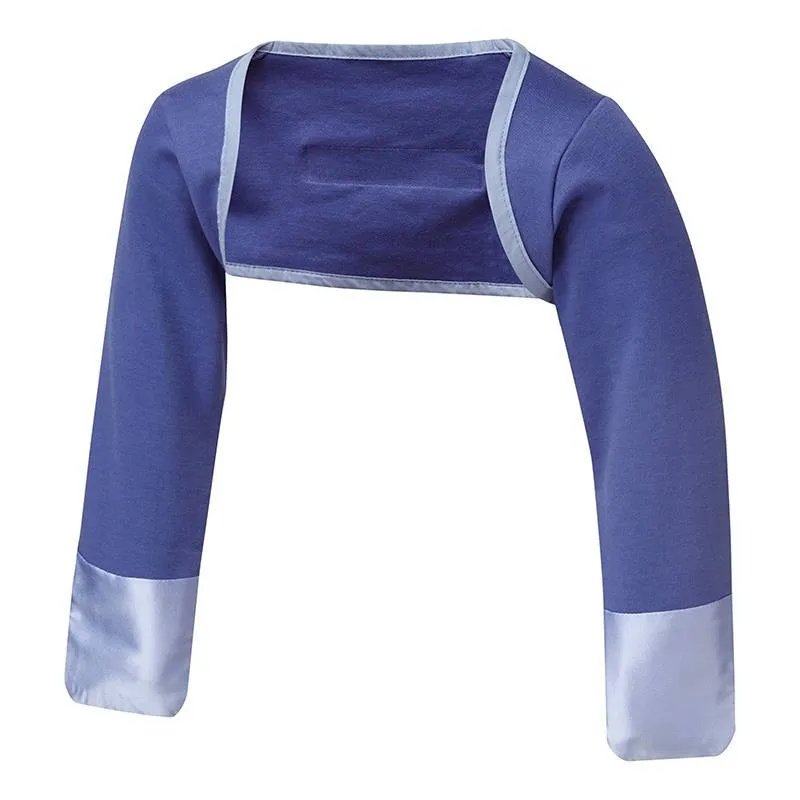
Special Edition


As seen on TikTok
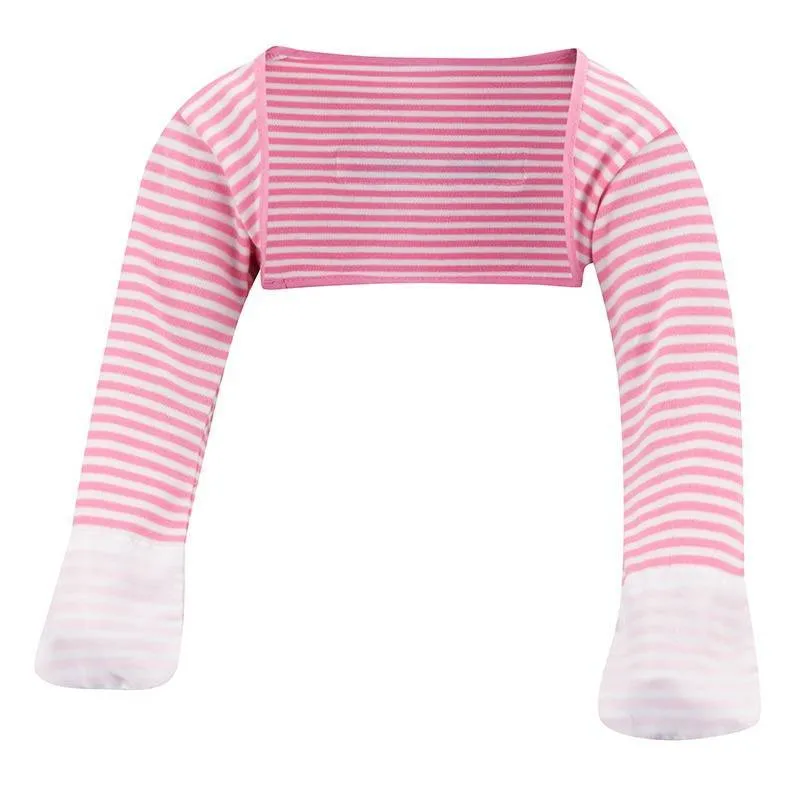
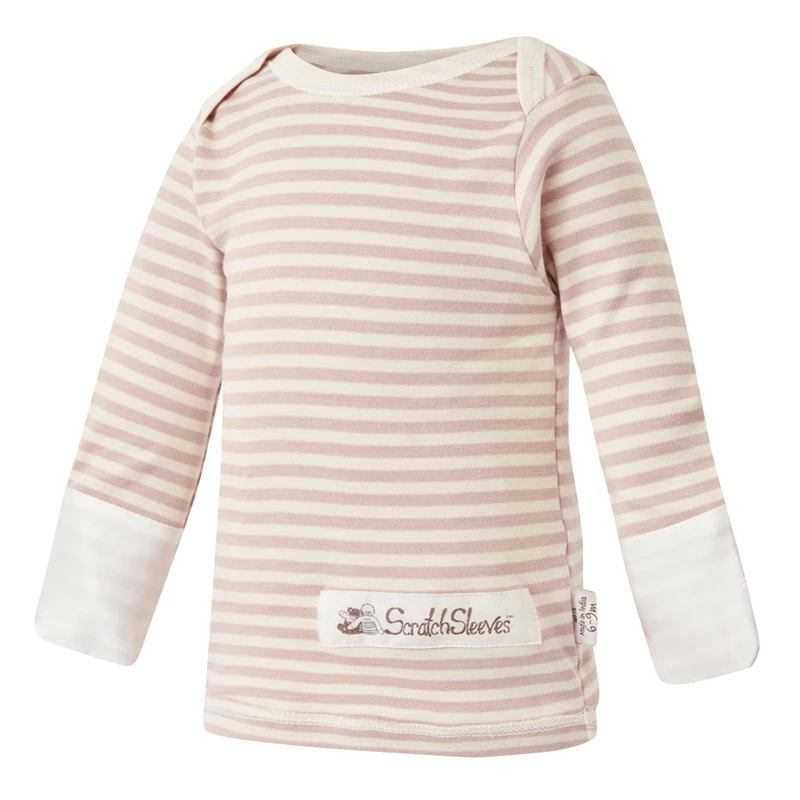
Striped PJ Tops


Perfect for wrigglers
SuperSensitive
Special Edition
As seen on TikTok
Striped PJ Tops