We've updated our website. Please let us know if you come across any glitches.
Key Takeaways
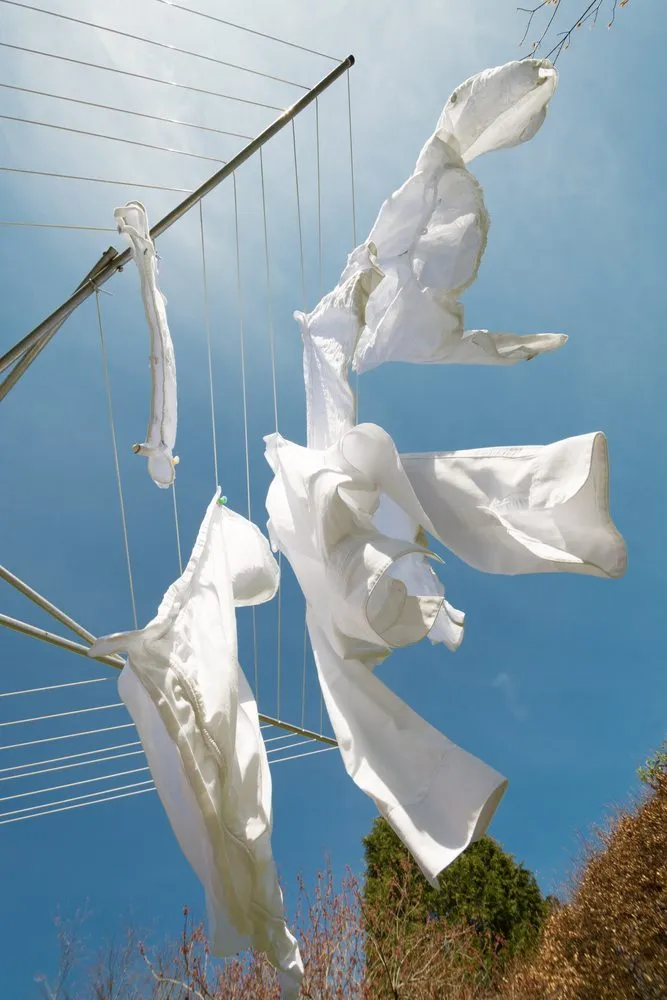
One of the most effective ways of controlling baby eczema is to identify what triggers your baby’s eczema flare-ups and avoid them as far as possible. Washing detergents and fabric softeners are a very common cause of baby eczema. Signs that laundry detergents are a trigger for your baby’s eczema can include eczema patches appearing over their whole body but often with a clear nappy area, intense itching and eczema that is aggravated by water. But how on earth can you keep clothing clean without these washing powders? We share our top tips for eczema friendly laundry.
Did you know that the build-up of detergent residues is the reason why clothes are so stiff and scratchy when they come out of the laundry? According to a study by Clemson University School of Textiles and Polymer Science, over time detergent residue can add as much as two per cent to the weight of a garment. That’s a lot of detergent in direct contact with your baby’s skin. Ironically, the most common way to soften this stiffness is to add even more potentially irritating chemicals, in the shape of fabric softeners.
The cleaning elements of laundry detergents are de-greasers, so it is no surprise that detergent residues in clothing can irritate eczema-prone skin which is already short of natural oils. But that’s not all, laundry detergents also contain fragrances and optical brighteners which as designed to stay in the fabrics even after rinsing. These chemicals can irritate eczema prone skin. Fabric softeners are also designed to cling to the fibres in fabrics during the wash and again contain fragrances and other irritating chemicals. Both The American Academy of Dermatology Association and the NHS list laundry detergents and fabric softeners as common eczema triggers in babies.
Stain removers are more concentrated versions of regular detergents. They are so strong that most have to print warnings about the risk of skin irritation on the packaging. Residues of these products build up in the fibres in exactly the same way as regular detergents. If your little one has baby eczema it’s definitely worth avoiding them whenever possible. However, kids’ clothes can get very mucky and staining is almost inevitable. Read our article on eczema friendly stain removal for top tips on keeping your kids’ clothes looking good.
It’s a common misconception biological washing detergents, which contain enzymes, can aggravate baby eczema. However this is not supported by studies carried out by St Thomas’ Hospital, Nottingham University and St Mary’s Hospital1. These studies concluded that “…investigations of numerous individuals with skin complaints attributed to laundry products demonstrate convincingly that enzymes were not responsible. Indeed, enzyme-containing laundry products have an extensive history of safe use. Thus, the supposed adverse effects of enzymes on skin seem to be a consequence of a mythology.”
…investigations of numerous individuals with skin complaints attributed to laundry products demonstrate convincingly that enzymes were not responsible. Indeed, enzyme-containing laundry products have an extensive history of safe use. Thus, the supposed adverse effects of enzymes on skin seem to be a consequence of a mythology.
D A Basketter et al in Enzymes, detergents and skin: facts and fantasies
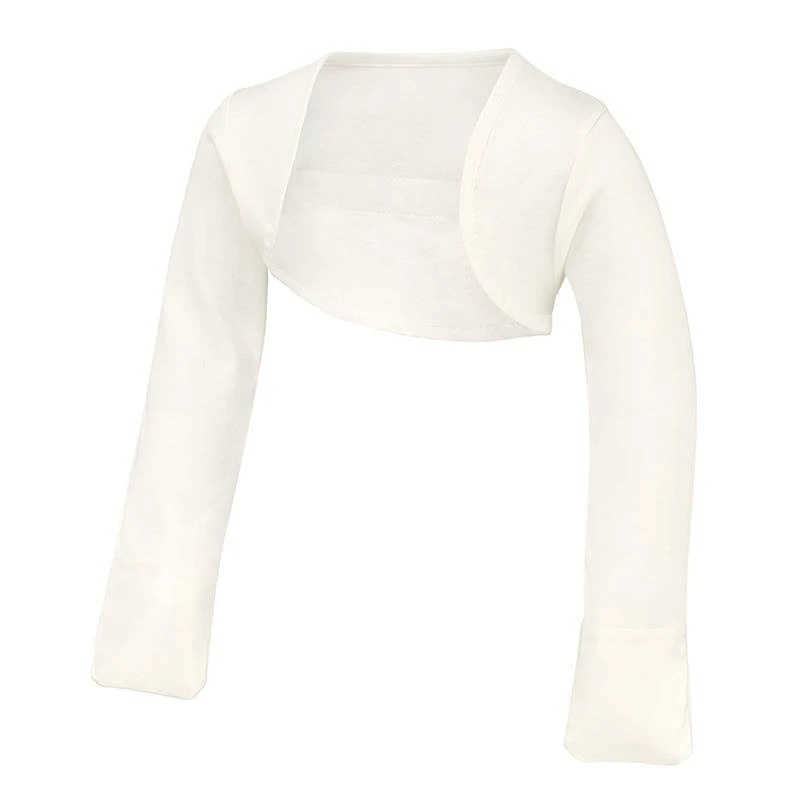
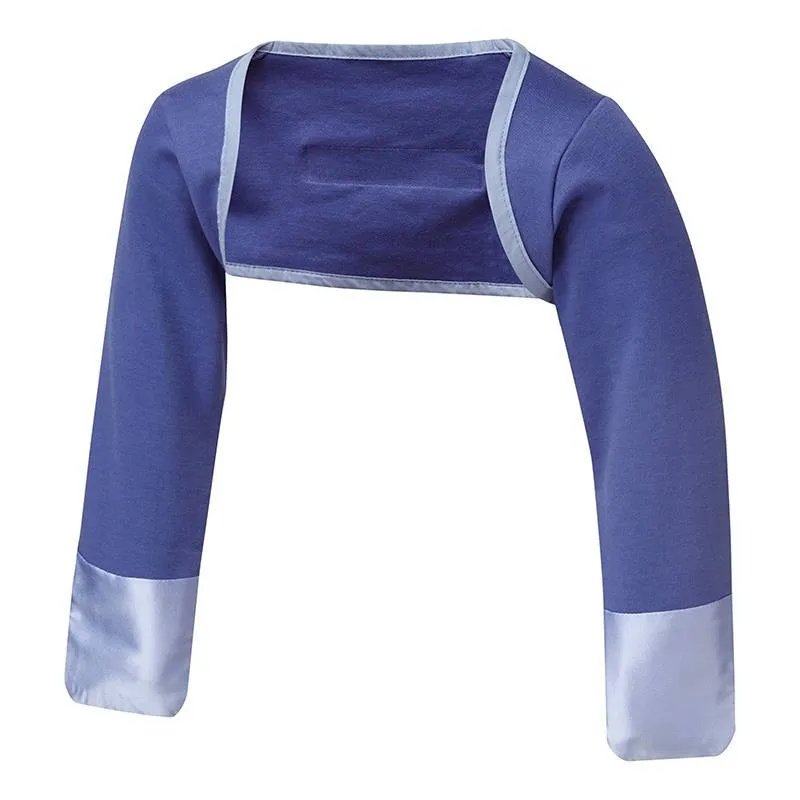
In fact, biological laundry detergents are especially helpful in clearing emollient build-ups common in the clothing of eczema sufferers. However, they are not suitable for some specialist eczema clothing, including the ScratchSleeves range, as the enzymes will degrade the silk very quickly.
For more information on which detergent ingredients to watch out for, see our post on eczema friendly laundry detergents.
As with everything related to baby eczema, finding a practical solution that works for your family can take some detective work and experimentation. Here are some ideas to get you started.
Top tip: It can take a number of washes to get rid of the detergent build-up. This means that it can take a few weeks for improvements to appear in your child’s skin. You can get around this by starting a new washing regime at the same time as replacing your baby’s clothes with new ones as they move up a size.
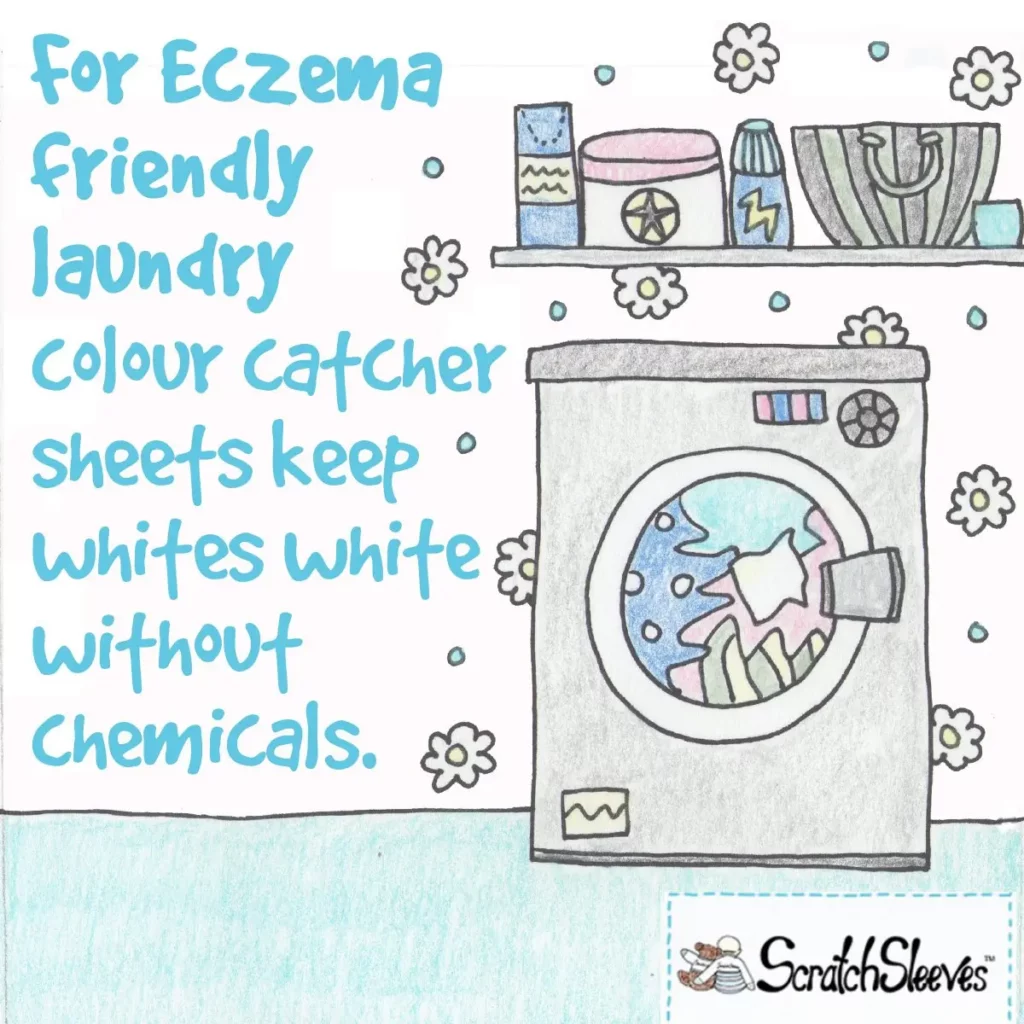
Very small babies come into contact with other people’s clothes a lot as they are cuddled and carried. It may be necessary (and simpler) to wash the whole family’s clothes in the same way. Use something like a muslin square to protect your baby’s skin from visitor’s clothing. It’s also worth considering what your baby is wearing. Read more in our post on eczema friendly fabrics.
Did you know the impact that eczema creams can have on your washing machine? Read more in Baby Eczema Tips: Washing Machines and Eczema Laundry.
Visit our the laundy and clothing section of our blog for more information on managing laundry related eczema, or follow the links below to find out more about other possible triggers for baby eczema.
Basketter, D., English, J., Wakelin SH, S., & White, I. (2008, June). Enzymes, detergents and skin: Facts and fantasies. The British Journal of Dermatology. https://pubmed.ncbi.nlm.nih.gov/18422788/
NHS website's Atopic Eczema page: https://www.nhs.uk/conditions/atopic-eczema/
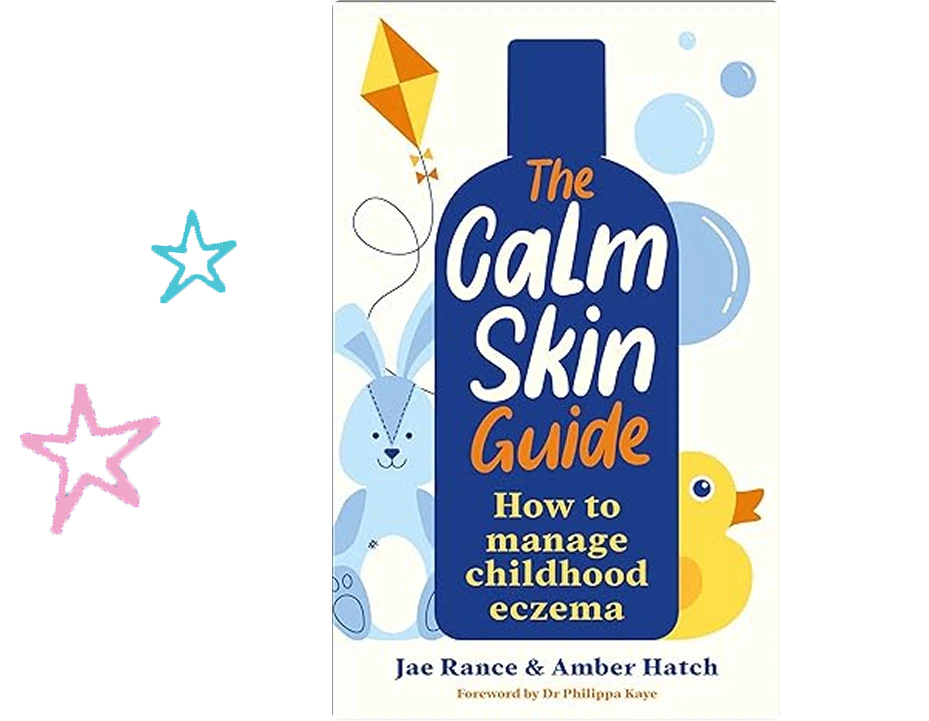
The Calm Skin Guide
Our guide gives parents the knowledge and tools to manage the condition, from understanding treatments to identifying triggers at home.
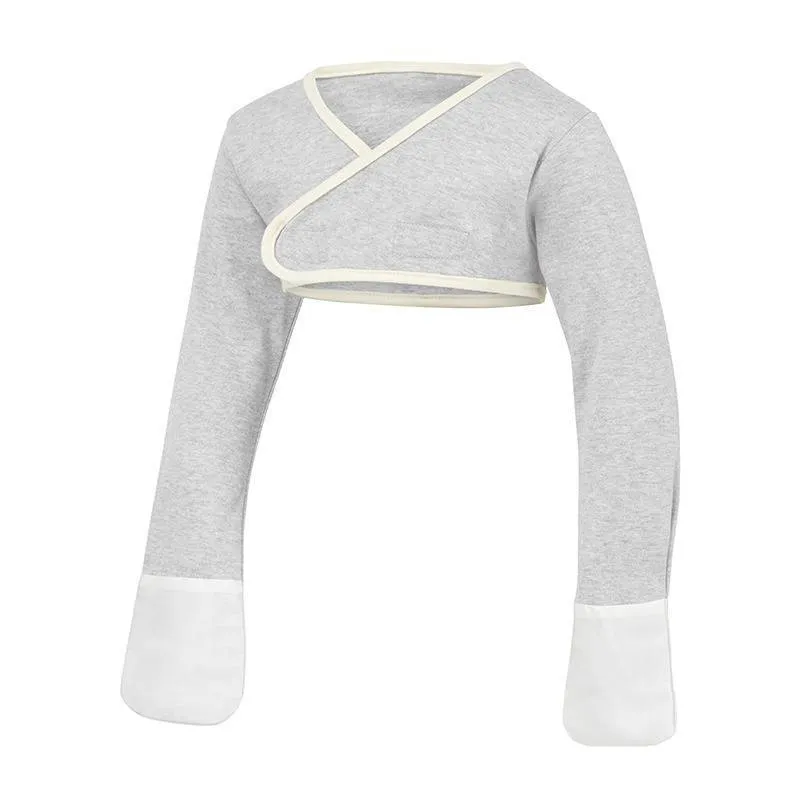
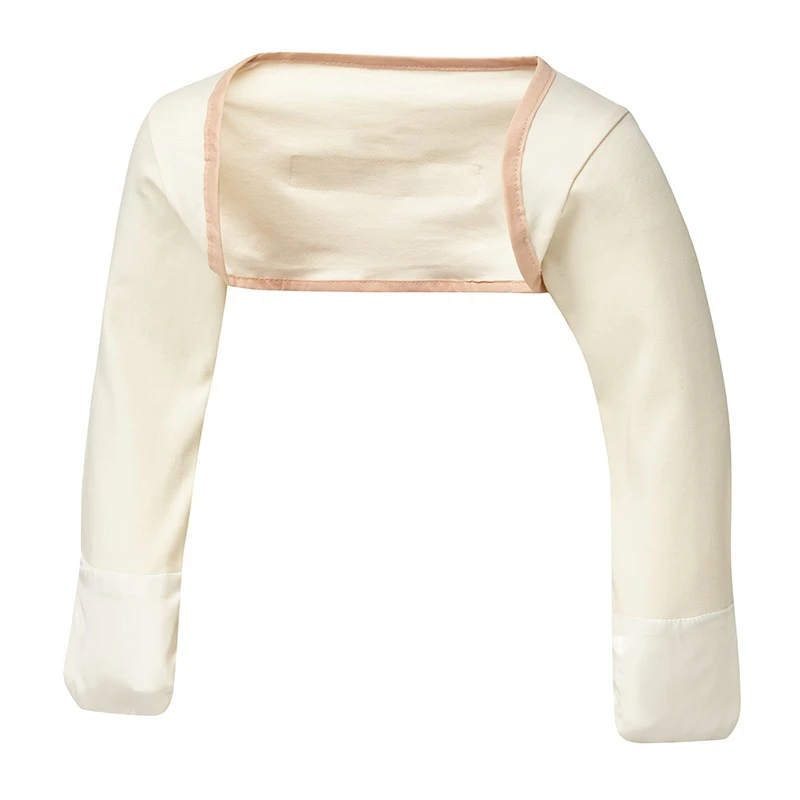
As well as sharing our experience of bringing up an eczema child (and favourite allergy-friendly recipes), we also manufacture and sell our unique stay-on scratch mitts and PJs for itchy babies, toddlers and children. We now stock sizes from 0-adult years in a range of colours and designs.
Perfect for wrigglers


SuperSensitive

Special Edition


Perfect for wrigglers
SuperSensitive
Special Edition