We've updated our website. Please let us know if you come across any glitches.

Key Takeaways
Keeping emollients on a wriggly little one for long enough to be absorbed can be challenging. Most eczema parents have resigned themselves to finding emollient smears round their homes. Some children just can’t stay still for long and their emollient is brushed off as they race around the house. Others really don’t like the claggy feel of emollients on their skin and actively rub off the cream at the first opportunity. Rolling on the nearest bit of carpet was a favourite trick in our house (and really difficult to clean up).
If changing your emollient to one that your child will tolerate better hasn’t worked, you may need to consider using bandages or clothing to keep the emollient in place. Covering emollients makes them more effective which can be really helpful when dealing with a major flare up. However, it’s not without risks. Here’s what you need to know about using bandages for eczema…
Applying emollient and immediately covering it with a dry bandage or layer of close fitting clothing is known as ‘dry wrapping’. Dry wrapping can intensify the moisturising effects of the emollients. Not only does the covering keeps the emollient in place, giving it time to soak into the skin rather than being rubbed off, it also creates a warm moist environment that encourages the skin to absorb the oils contained within the emollient. Dry wrapping also protects the sore skin from airborne irritants and scratchy fingers as well as the knocks and bumps of everyday life. In addition, bandages can limit joint movement, giving cracked skin some respite and a chance to heal.
Dry-wrappings should not be used to cover steroid creams without medical supervision. This is because the warm, moist atmosphere created under the bandages changes the way the skin absorbs steroids. This warm, moist atmosphere is also ideal for the growth of fungi and bacteria, so you’ll need to keep an eye out for skin infections.
The key to effective dry wrapping using plenty of emollient. This ensures that the skin stays moist and any weeping patches don’t dry out and stick to the bandages. If this does happen, you will need to soak the bandage in warm water to soften the scabs enough to gently peel away the bandage. If this is happening regular basis, it is worth asking your doctor about wet wrapping.
Wet wrapping is the next step on from dry wrapping and can help to alleviate the symptoms of moderate to severe eczema. Although the scientific evidence for the effectiveness of wet wrap therapy as an eczema treatment is not strong, many sufferers of moderate and severe eczema (or their carers) report that their skin conditions have been significantly improved (often overnight) with the use of wet wraps.
The mechanism for the improvement is not clear but it seems that the warm, moist environment created by the wet-wraps increases the absorption of steroid creams, increasing their effectiveness. There are also indications that warm, damp environment encouraged the skin to secrete more lamellar body which allowed the skin barrier to normalise1.
Wet wrapping is thought to reducing itching by cooling the skin as the moisture in the wet layer slowly evaporates. The bandages also protect against scratching, giving the skin a chance to heal.

Wet wrap therapy does not appear to be as beneficial for mild to moderate eczema. In this case, regular emollient and topical steroid treatments have been shown to be equally effective2. However, for moderate-severe eczema sufferers, wet wrap therapy can be a useful, if time-consuming, tool for bringing flare-ups under-control. Wet wrapping is typically used for 1-4 days to settle inflamed, weeping skin.
The warm, moist environment created by wet wrapping creates an ideal environment for microbes to grow, so it should only be used with medical supervision. Never use steroid creams in combination with wet wraps without medical guidance.
In all likelihood, the first time you use wet wraps will be with a medical professional who will be able to demonstrate the best techniques for your child. This ‘how to’ is aimed at helping you to understand what to expect. Be warned, this is not a quick process. You’ll need at least an hour and preferably two adults:
A variation on wet wrap therapy is the use of medicated bandages instead of the wet layer. Medicated bandages are impregnated with a paste containing zinc oxide and possibly an itch suppressant to soothe and cool angry skin. These bandages can be used for entire limbs or on patches of eczema (e.g. the wrist, elbows, knees or ankles). Since they are messy, a second layer of dry bandages is needed to cover them (and also keep them in place). As with wet wrapping, medicated bandages should be used with medical guidance.
If your child is prescribed medicated bandages, you will be shown how to use them by a medical professional. This important thing to remember is that as medicated are not typically elasticated, you will need to add in pleats around joints to allow for movement. Also, as the paste can shrink as it dries, so you need to be careful not to wrap them too tightly.
Here at ScratchSleeves, we aim to bring you trustworthy and accurate information. We collaborate with qualified dermatologists and doctors as well as drawing on peer-reviewed medical studies and our own experience as parents. All medical content is reviewed by a dermatologist or appropriate doctor prior to publication to ensure completeness, accuracy and appropriate use of medical language. Reviewer details can be found at the bottom of each reviewed post and also on our ‘Meet The Team’ page.
All scientific research referred to in our blog is found in peer-reviewed publications. All eczema related medical articles we refer to are included in the GREAT database (Global Resource of Eczema Trials) managed by the Centre of Evidence Based Dermatology at the University of Nottingham. This database brings together information on all randomised control trials and systematic reviews of eczema treatments. Trials are identified using a highly sensitive, comprehensive search strategy that is compatible with standard Cochrane methodology. Cochrane is internationally recognised as the highest standard in evidence-based health care. Links to the publications we refer to are listed at the bottom of each article.
The original editorial information we provide is not intended to be a substitute for professional medical advice, diagnosis, or treatment. Always seek the advice of your doctor or other qualified healthcare practitioners regarding a medical condition. Never disregard professional medical advice or delay in seeking it in because of anything you have read on the ScratchSleeves blog.
As well as sharing our experience of bringing up an eczema child (and favourite allergy-friendly recipes), we also manufacture and sell our unique stay-on scratch mitts and PJs for itchy babies, toddlers and children. We now stock sizes from 0-adult years in a range of colours and designs. Visit our main website for more information.
Lee, JH, et al. “The Effect of Wet-Wrap Dressing on Epidermal Barrier in Patients with Atopic Dermatitis.” Journal of the European Academy of Dermatology and Venereology : JEADV, U.S. National Library of Medicine, Nov. 2007, pubmed.ncbi.nlm.nih.gov/17958842.
Andersen, RM, et al. “The Role of Wet Wrap Therapy in Skin Disorders – a Literature Review.” Acta Dermato-Venereologica, U.S. National Library of Medicine, Nov. 2015, pubmed.ncbi.nlm.nih.gov/25940919/.
The Calm Skin Guide
Our guide gives parents the knowledge and tools to manage the condition, from understanding treatments to identifying triggers at home.
As well as sharing our experience of bringing up an eczema child (and favourite allergy-friendly recipes), we also manufacture and sell our unique stay-on scratch mitts and PJs for itchy babies, toddlers and children. We now stock sizes from 0-adult years in a range of colours and designs.
Perfect for wrigglers


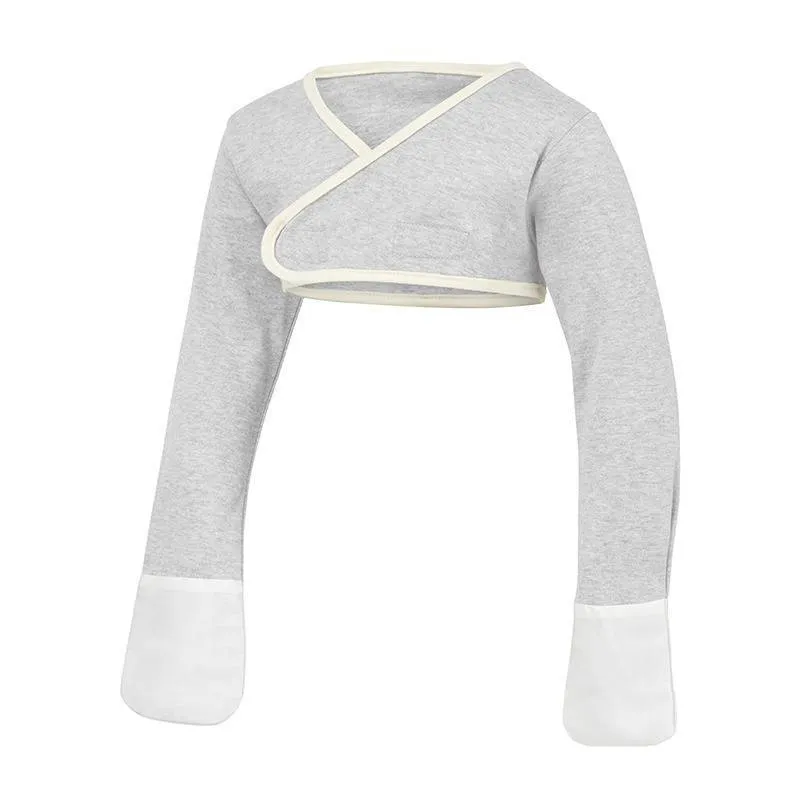
Cross-over


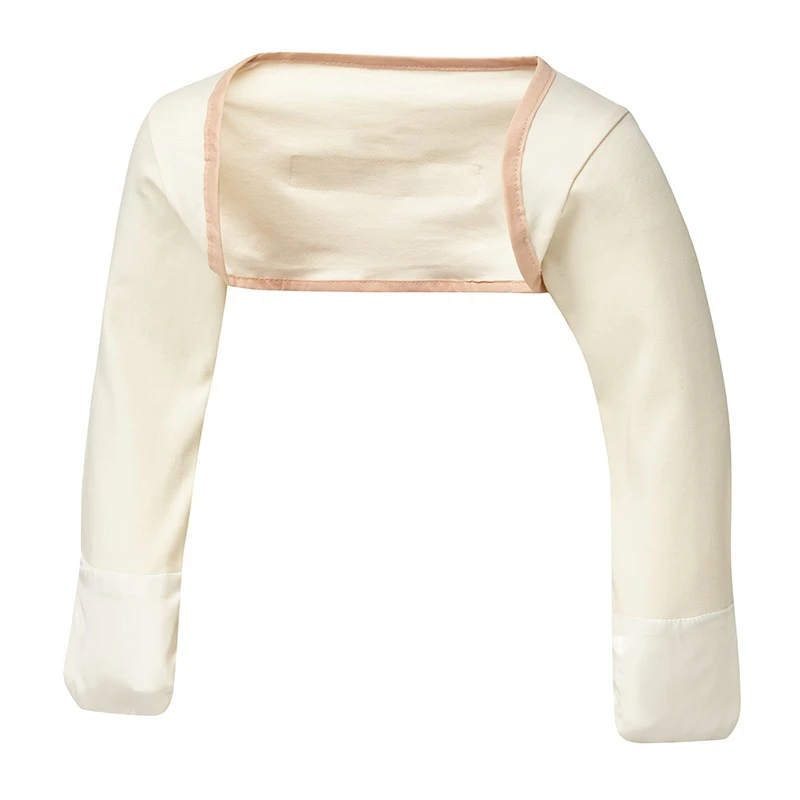
Original Cream

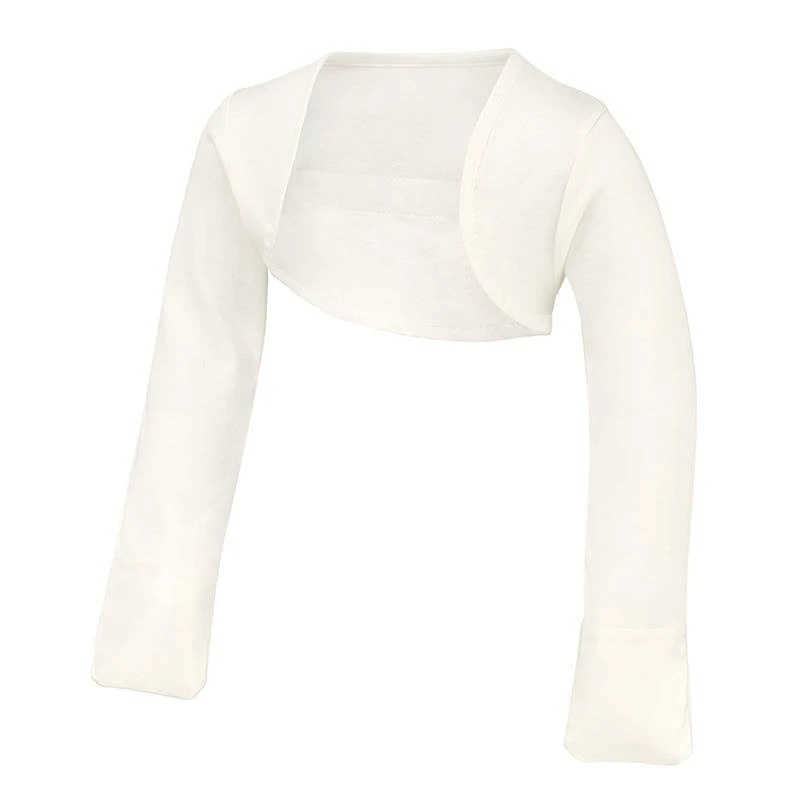
SuperSensitive

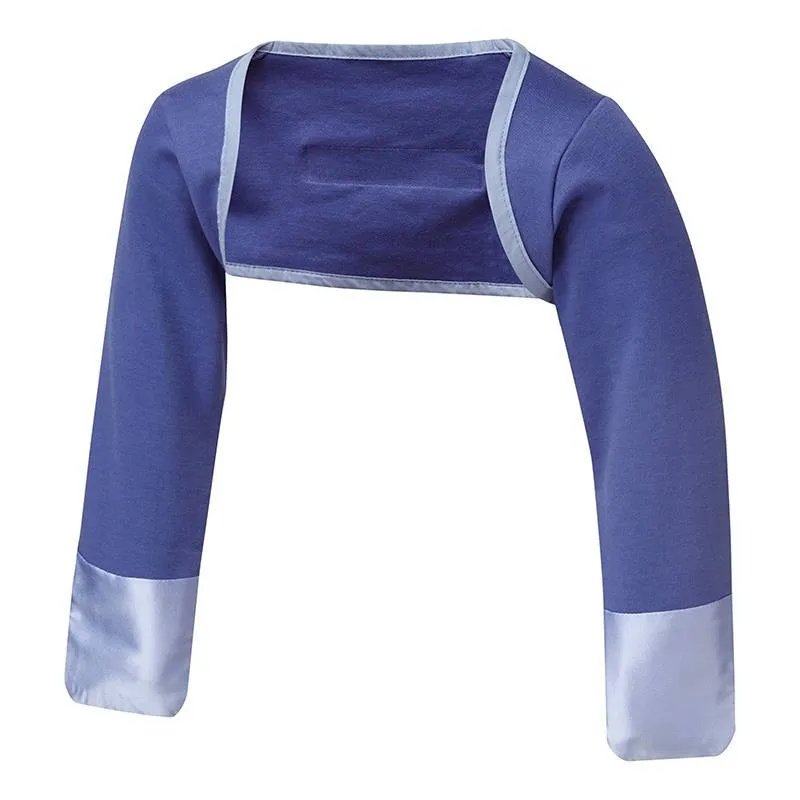
Special Edition


As seen on TikTok
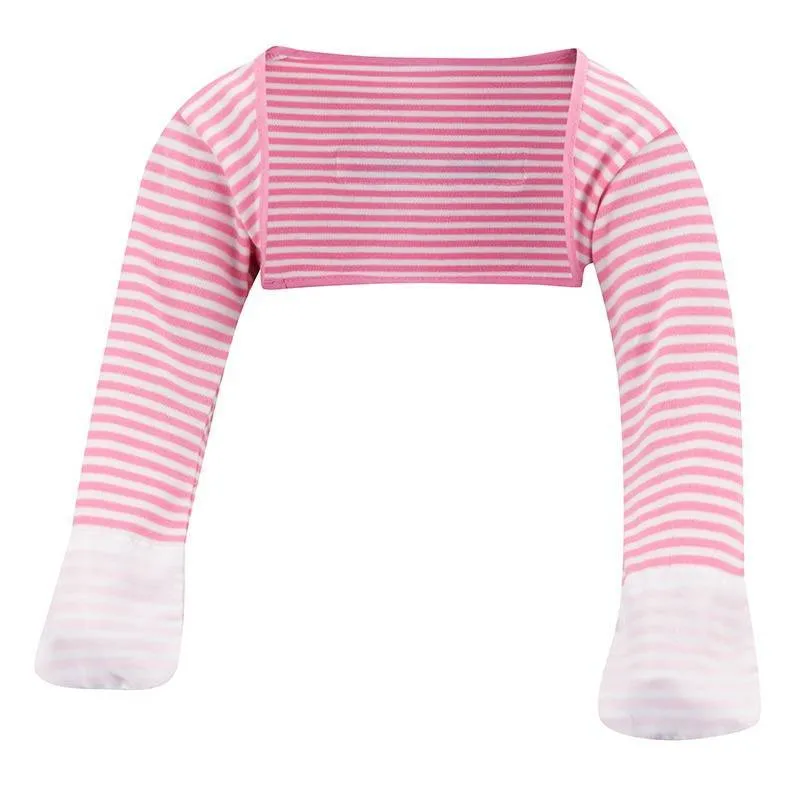
Stripes


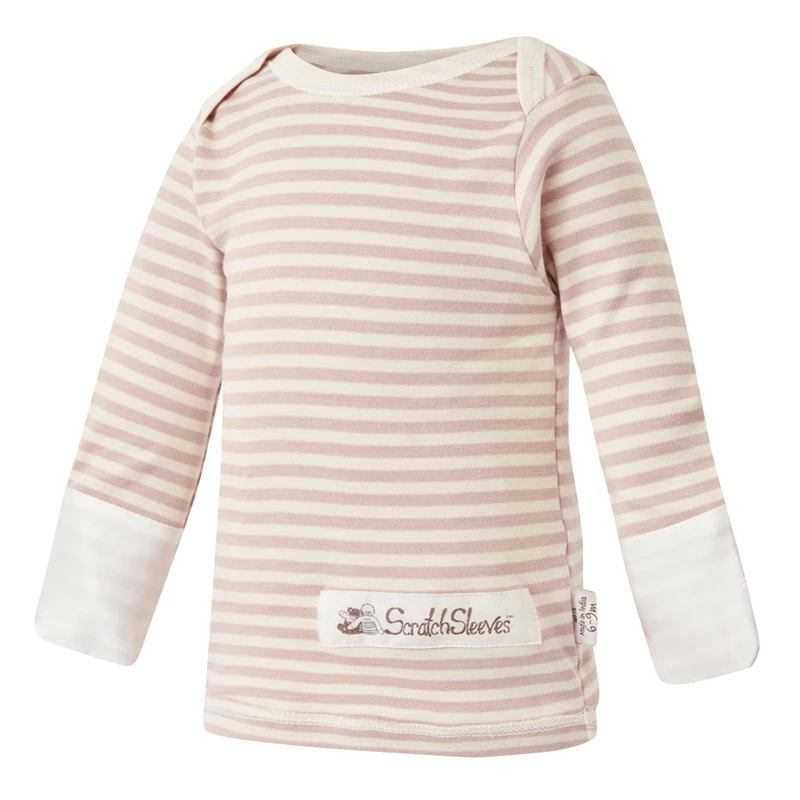
Striped PJ Tops


Perfect for wrigglers
Cross-over
Original Cream
SuperSensitive
Special Edition
As seen on TikTok
Stripes
Striped PJ Tops