We've updated our website. Please let us know if you come across any glitches.

Key Takeaways
Laundry detergents are one of the most commonly cited triggers for eczema. But why do some detergents cause a problem while others are fine? In a quest to understand which laundry washing products the ScratchSleeves family can use without itching, we investigated what exactly goes into laundry detergents and learnt a surprising amount about how to get laundry really clean in the process. We share our findings in our top tips for eczema-friendly laundry.
This sounds like a really simple question. However, laundry detergent manufacturers aren’t required to list of ingredients on the packaging, making it difficult to answer. If there is an ingredients list, most information will be generic.
Modern detergent formulations have three or four main ingredients that do the actual cleaning: surfactants, enzymes, bleaches and builders. Then there is the other stuff that doesn’t get the clothes any cleaner. Instead this components either trick the eye to make it look brighter (optical brighteners) or gives it a ‘nice’ smell (fragrance or parfum).
Any of these detergent components can aggravate eczema or trigger allergic reactions in some people.
The vast majority of the cleaning agents will be carried away with the rinsing water, so won’t cause a problem for most people. For most people with sensitivity to detergents, the problem comes with the optical brighteners and fragrances. These chemicals are designed to cling to the fabrics fibres so remain in the clothing even after rinsing. Fabric softeners work in a similar way.
This is the bit of laundry detergent that I think of as a proper ‘detergent’. Surfactants (from Surface active agents) are the chemicals that loosen unwanted dirt from the surface of the fabric and carry it into the washing water. They work in two ways. Firstly, they reduce the surface tension of water, which improves its ability to seep into dirty clothes fibres and loosen the dirt. Then comes the clever bit; one end of a surfactant molecule is attracted to water, while the other is attracted to dirt and grease. This means that the surfactant molecules bond with the dirt and grease, then break it up before carrying it away in the rinse water.
While there are many different types of surfactants, the ones most commonly used in laundry washing powder are linear alkylbenzene sulfonates. These are typically listed as anionic surfactants. They are usually derived from petrochemicals but also from plant sources. Anionic surfactants are similar to old–fashioned soap but are less affected by hard water. Some laundry detergents, especially the eczema-friendly ranges, also contain soap.
Surfactants are degreasers and any residues left in clothing can irritate eczema-prone skin. It is essential to make sure that your laundry is rinsed properly to remove any residue. The National Eczema Association suggests that you ‘use your washing machine’s second or “extra rinse” setting if it has one’. Minimising the detergent residue will also leave the fabric softer and reduce the need for a fabric softener. If thorough rinsing doesn’t seem to make a difference to your child’s eczema, using a less aggressive, soap-based detergent may help.
Enzymes are included in biological washing powders to break down protein, starches and fat in dirt and stains. The enzymes in biological detergents enable effective cleaning at lower temperatures than required by normal detergents. This is obviously useful for both the environment and your pocket. Enzymes typically stop working at temperatures above 50°C. It follows that if you are washing at 60°C to get rid of house duct mites, there is no point in using a biological detergent.
Biological detergents usually contain a number of different enzymes:
Different enzymes work best at different temperatures so it’s worth experimenting if you have problems getting rid of particular stains.
Contrary to popular belief, there is no good evidence that enzymes aggravate eczema in the vast majority of the population. In fact, according to a study carried out by St Thomas’ Hospital, Nottingham University and St Mary’s Hospital “…investigations of numerous individuals with skin complaints attributed to laundry products demonstrate convincingly that enzymes were not responsible. Indeed, enzyme-containing laundry products have an extensive history of safe use. Thus, the supposed adverse effects of enzymes on skin seem to be a consequence of a mythology.”1
However, you can’t use biological detergents for silk or wool products (including the ScratchSleeves range) as the enzymes will damage the fibres very quickly.
Bleach breaks up the relatively large dirt molecules into smaller, colourless ones by the process of oxidation. This means that not only does the dirt become less obvious, but the smaller molecules are easier for the surfactants to bond with and wash away. In addition, bleaches are really effective at killing off bacteria and mould (and the associated smells) – both in clothing and inside your washing machine. Sodium hypochlorite (chlorine bleach, the same as used in swimming pools) is particularly effective at this. It’s useful to know that powdered detergents for ‘whites’ usually contains bleach whereas liquids, gels, and ‘colour’ detergents don’t.
From an eczema point of view, bleach-based detergents are most useful when dealing with infected eczema because it is the most reliable method for getting rid of bacteria in clothing. A recent Which? report recommended using detergents containing bleach for controlling bacteria over the previous recommendation of washing at 60°C. Breaks down quickly to salt and oxygen when exposed to light, air, and water. This means that it will be carried away in the rinsing water and won’t leave irritating residues on clothing.
Perhaps less obvious is that the bleach found in powders for ‘white washes’ may be able to help in the management of eczema. This is because, as shown in a 2007 study into the role of bacterial pathogens in atopic dermatitis, eczema sufferers have ‘a striking susceptibility to colonization and infection with Staphylococcus aureus’. The presence of bacteria on the skin can cause skin infections, inflammation, and trigger immune responses, all of which are known to worsen the symptoms of eczema. The bleach in your laundry detergent can help by removing bacteria and mould from both your laundry and your washing machine.
Builders are used to soften the washing water (which increases the efficiency of surfactants) and increase alkalinity (which helps to remove oils and grease). Typical builders are polycarboxylates, phosphonates, sodium carbonate, zeolites, and even soap. All of these bind with calcium and magnesium ions (which make water ‘hard’) and make the surfactant more effective.
According to the Ariel website, if you live in a hard water area you should use more detergent to soften the water and to ensure that there is enough cleaning power. A much cheaper alternative is to add extra ‘builder’ to your wash. A tablespoon or two of soda crystals added to the detergent drawer of your machine should do the trick. This approach also means that you are not adding unnecessary detergents, optical brighteners, and fragrances – all of which can build up in your washing and irritate your child’s eczema.
These additives don’t actually get your laundry any cleaner. Instead they make whites look whiter by increasing the amount of UV light reflected by the fabric. This maskes any discolouration or dullness. It is the optical brighteners that make clothes glow under UV light. As they are intended to stick to the fabric and not be rinsed away, optical brighteners are prime candidates for aggravating eczema. They are known to irritate sensitive skin, especially if it is later exposed to sunlight. However there has been remarkably little research published about their safety.
The vast majority of mainstream laundry detergents include optical brighteners. According to Sirius International, a distributor of environmentally friendly chemicals, there are around 90 different chemicals used in commercial optical brighteners, so it really is a case of trial and error to find a detergent that doesn’t irritate your child’s eczema. Optical brighteners typically take a long time to break down in the environment so most eco-brands don’t include them in their formulations. This makes the eco-brands a good place to start if you are looking for an eczema-friendly detergent.
Most modern detergents include a fragrance of some sort to give that ‘fresh out of the wash’ smell beloved of the British public, and to mask the smell of the detergent itself. The Eczema Foundation recommends that ‘detergents containing strong fragrances or essential oils should be avoided, as scented substances, whether synthetic or natural, are allergenic.’
There are numerous fragrances used in the detergents, and their details are rarely listed on detergent labels so, as with most things eczema-related, it’s a case of trial and error to find a detergent that works for your child. The easiest solution is to find a fragrance-free brand and, if you really don’t like the damp, ‘non-smell’ of fresh washing, try adding a few drops of your favourite essential oil to the wash. But do test it for allergies and discolouring light fabrics first.
These eczema friendly laundry detergent tips work for our family – what works for yours?
Still what to know more?
Basketter, D. A., English, J. S. C., Wakelin, S. H., & White, I. R. (2008). Enzymes, detergents and skin: Facts and fantasies. British Journal of Dermatology, 158(6), 1177–1181. https://doi.org/10.1111/j.1365-2133.2008.08561.x
Lin, Y.-T., Wang, C.-T., & Chiang, B.-L. (2007). Role of bacterial pathogens in atopic dermatitis. Clinical Reviews in Allergy & Immunology, 33(3), 167–177. https://doi.org/10.1007/s12016-007-0044-5
How can living in a hard water area affect your laundry? by Ariel www.ariel.co.uk/en-gb/how-to-wash/how-to-do-laundry/washing-in-hard-water
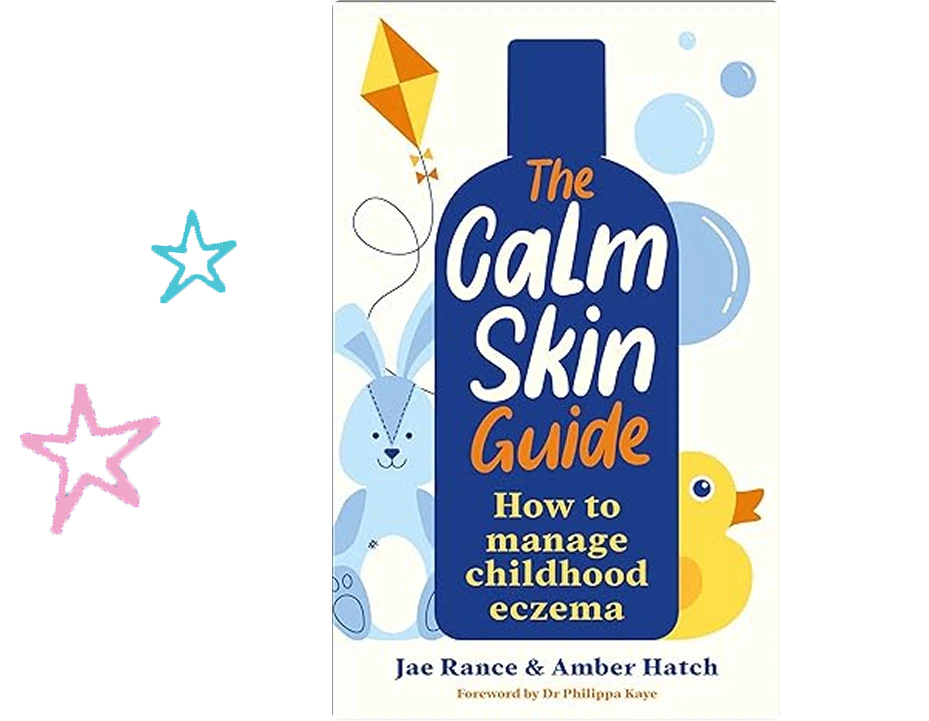
The Calm Skin Guide
Our guide gives parents the knowledge and tools to manage the condition, from understanding treatments to identifying triggers at home.
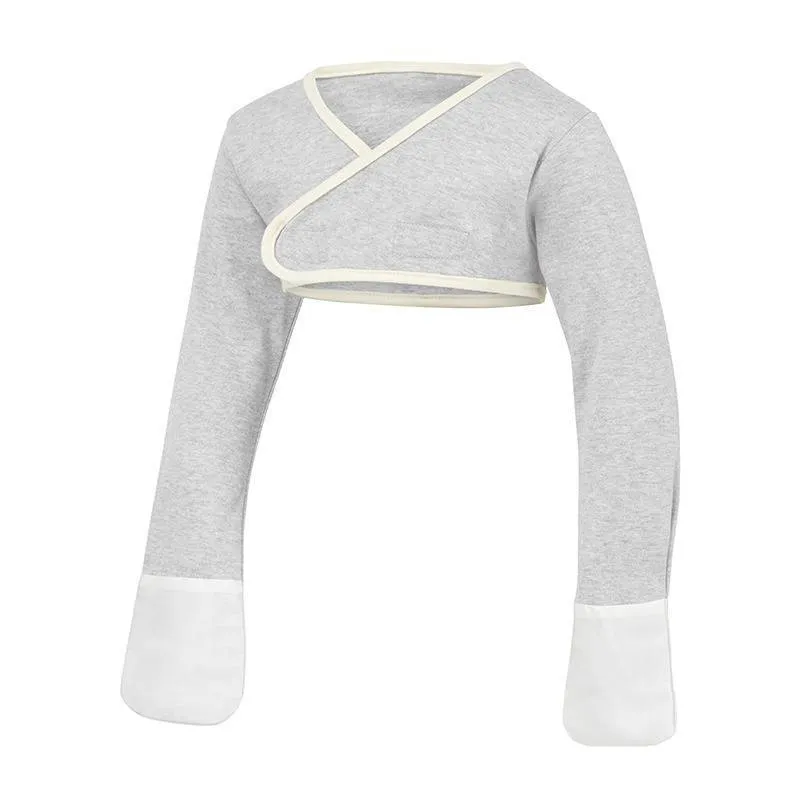
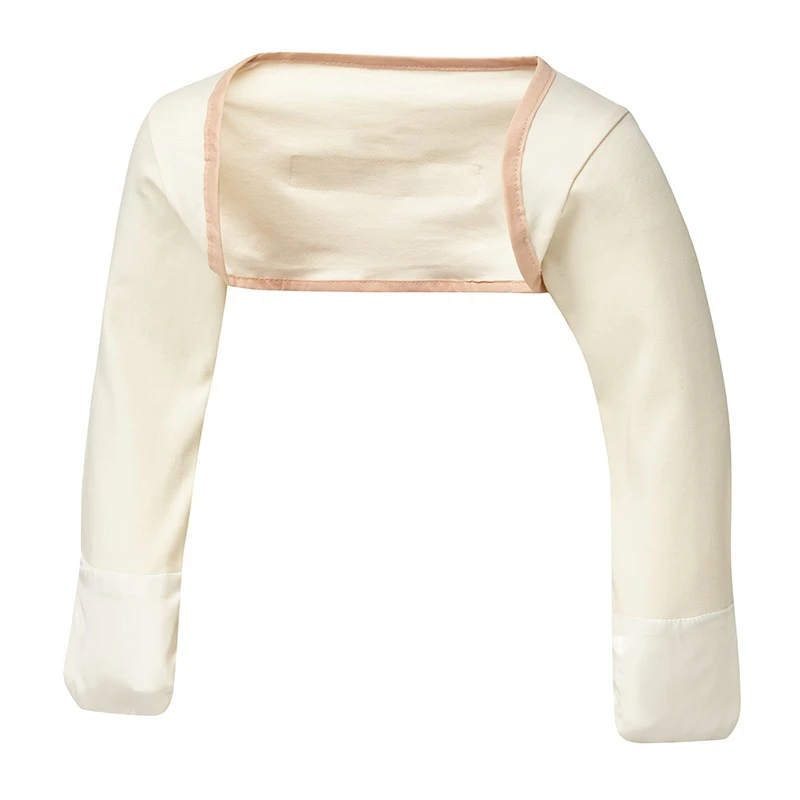
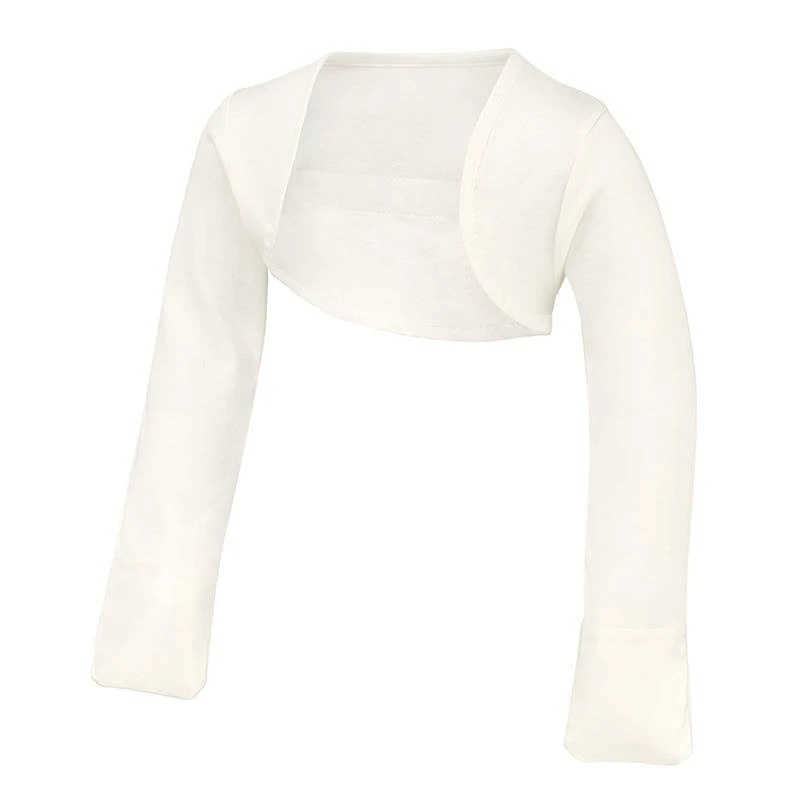
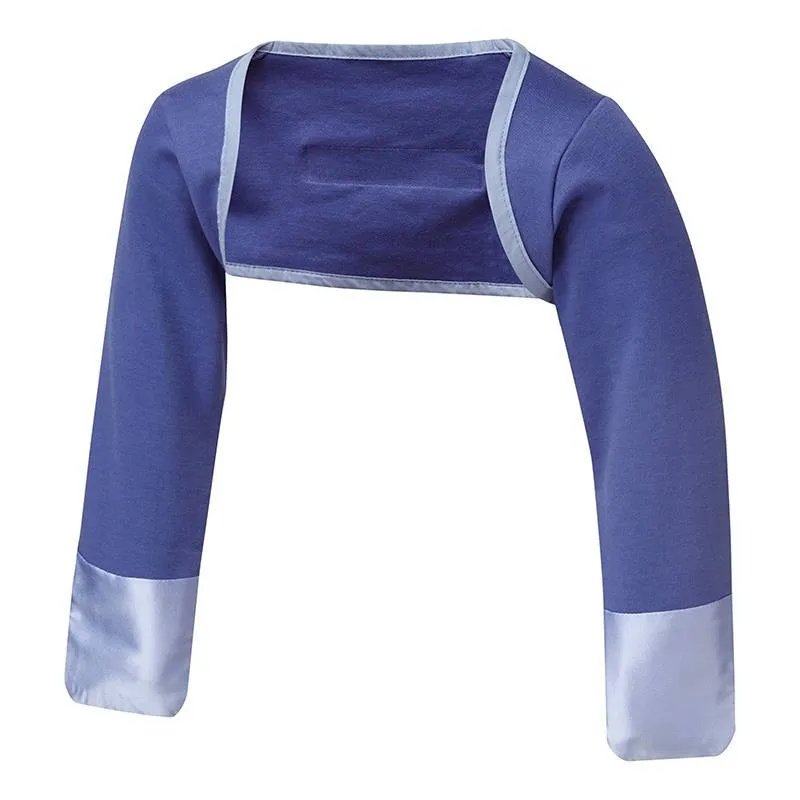
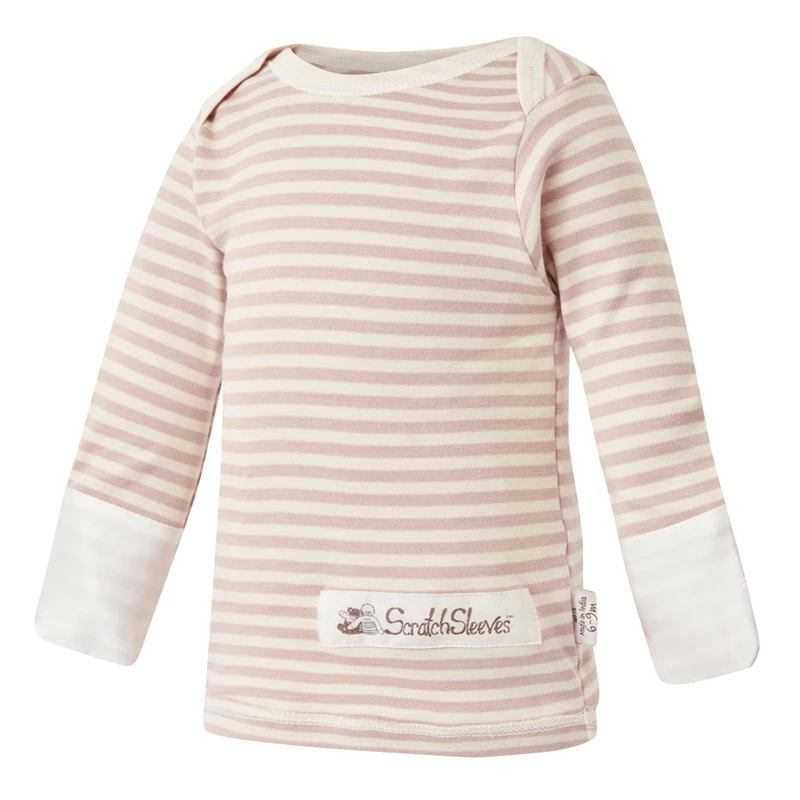
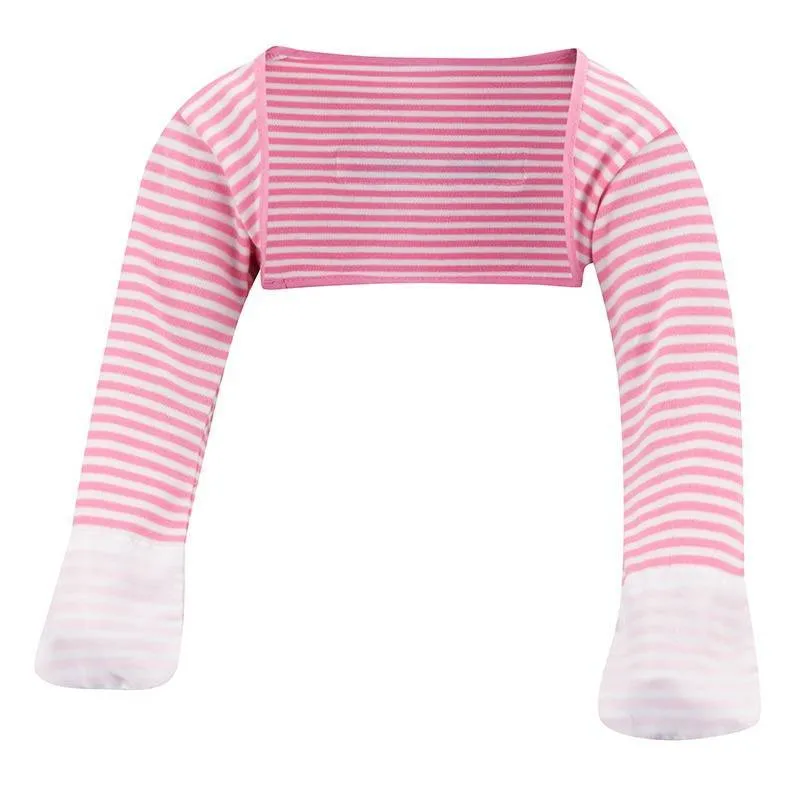
As well as sharing our experience of bringing up an eczema child (and favourite allergy-friendly recipes), we also manufacture and sell our unique stay-on scratch mitts and PJs for itchy babies, toddlers and children. We now stock sizes from 0-adult years in a range of colours and designs.
Perfect for wrigglers


SuperSensitive

Special Edition


Striped PJ Tops


As seen on TikTok


Perfect for wrigglers
SuperSensitive
Special Edition
Striped PJ Tops
As seen on TikTok