We've updated our website. Please let us know if you come across any glitches.

Key Takeaways
Most parents of children with eczema are understandably wary about putting anything on the skin, sticking to tried and trusted shampoos, soaps and emollients only. However, when the summer insects are on the move here in the UK, or you’re going on holiday where there may be mosquitos, you will probably have no choice but to use an insect repellent.
In this article, we explore the issue of insect repellents for children with eczema. We also and look at ways to keep your child bite-free without having to use a chemical on their skin.
If you don’t suffer from eczema or allergies, you may find that you barely notice when you get an insect bite. However, for people with eczema, an insect bite can cause a severe reaction.
Our child with eczema gets nasty sores just from midge bites, and on the few warm summer evenings we can spend outdoors, she has to be covered head to toe. Unfortunately, it seems that the insects like her more than the rest of us which makes the problem even worse!
The good news is that we don’t have any harmful insects here in the UK. The worst that most people suffer is swelling, redness and discomfort. It’s different if you’re going abroad, particularly to somewhere with mosquitos. You’ll need to take things more seriously as a bite or sting can have more serious health risks.
Of course, a repellent is all about prevention rather than cure, so it pays to do your research to find out whether your child with eczema can tolerate an insect repellent before you go on holiday.
Unfortunately, there’s no simple answer to the problem of choosing an insect repellent for a child with eczema. The Eczema Society says: “All mosquito repellents applied to the skin can cause some irritation. This is especially true of liquid repellents, which are alcohol-based and can sting.”
DEET is perhaps the most well-known repellent, but if your child proves to be allergic, you should look for alternatives which contain Icardin, Dimethyl Pthalate or Eucalyptus oil.
As is so often the case, it’s a question of trial and error to find out which repellent your child can tolerate.
When thinking of an insect repellent for a child with eczema, it’s likely you’ll gravitate towards brands without DEET. But if you’re going to come into contact with mosquitos you’ll need to balance the eczema issue with the risks these insects pose.
The toxic effects of DEET are known to reduce insects’ sense of smell, which is thought to prevent them from detecting the scent of humans.
DEET does suffer bad press because of studies which show it is toxic to the nerves of animals and insects. However there is no evidence to suggest it is harmful to humans, though it shouldn’t be used on children under two months.
There’s no specific advice from the NHS regarding the use of DEET on a child with eczema. However, the Eczema Society suggests testing on your own forearm first (as allergies often run in families) and waiting 24 hours to see if you have a reaction. If all is well, you can then try a small spot test on your child.
It’s important to be aware that the duration of protection varies depending upon the concentration. 20% DEET will give protection for 1–3 hours, 30% DEET can last up to 6 hours and 50% can last up to 12 hours.
Top Tip: It’s worth noting that when using DEET with sunscreen, DEET should be applied last as the effectiveness of repellent reduces more rapidly than sunscreen so it may need to be reapplied before the sunscreen.
If you’re going to use a DEET-based product, it makes sense to use a low concentration only on healthy areas of skin and a higher concentration of DEET on clothing. The Eczema Society also recommends trying ankle and wrist bands which are impregnated with DEET, as many people find these cause fewer problems.
When researching insect or mosquito repellents for toddlers, you may also come across other methods of keeping the biters at bay. While we would say that anything is worth trying, it’s important to note that the NHS says the following are ineffective: plug-in devices/buzzers which emit a high frequency sound; homeopathic and herbal remedies. Be careful before you part with your hard-earned cash.
Lots of outdoor equipment brands now produce insect repellent clothing for children, though it can be pricey. Browse Amazon or Cotswold Outdoor as they have a good range of different clothing brands which may be worth trying.
There are a few steps you can take to help avoid the risk of your child being bitten by insects.
Got any tips? If you have any advice you’d like to share with other parents, please get in touch, we’d love to hear from you.
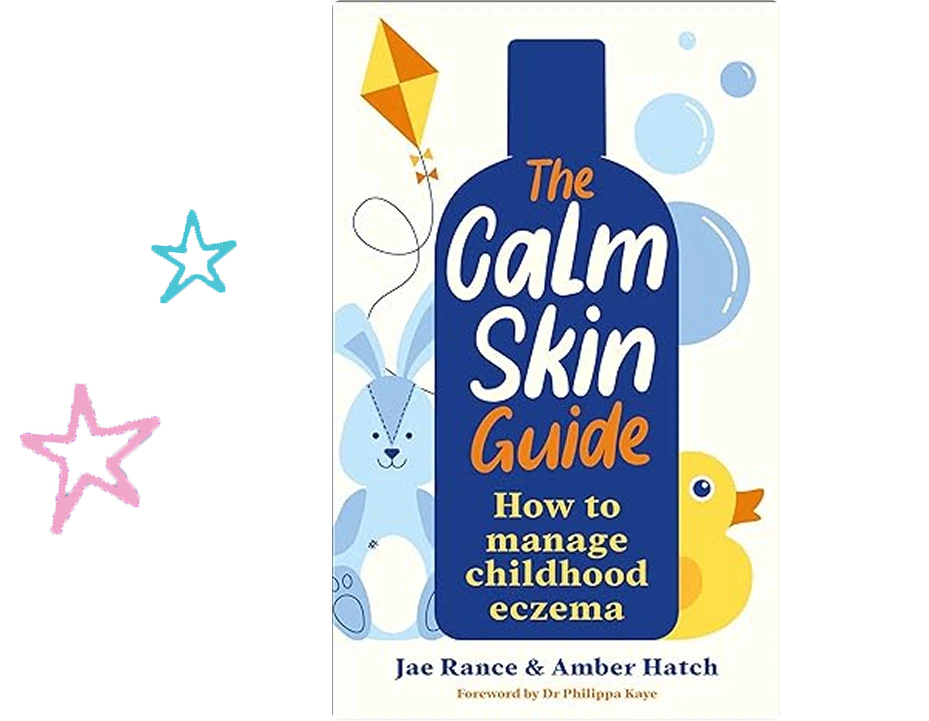
The Calm Skin Guide
Our guide gives parents the knowledge and tools to manage the condition, from understanding treatments to identifying triggers at home.
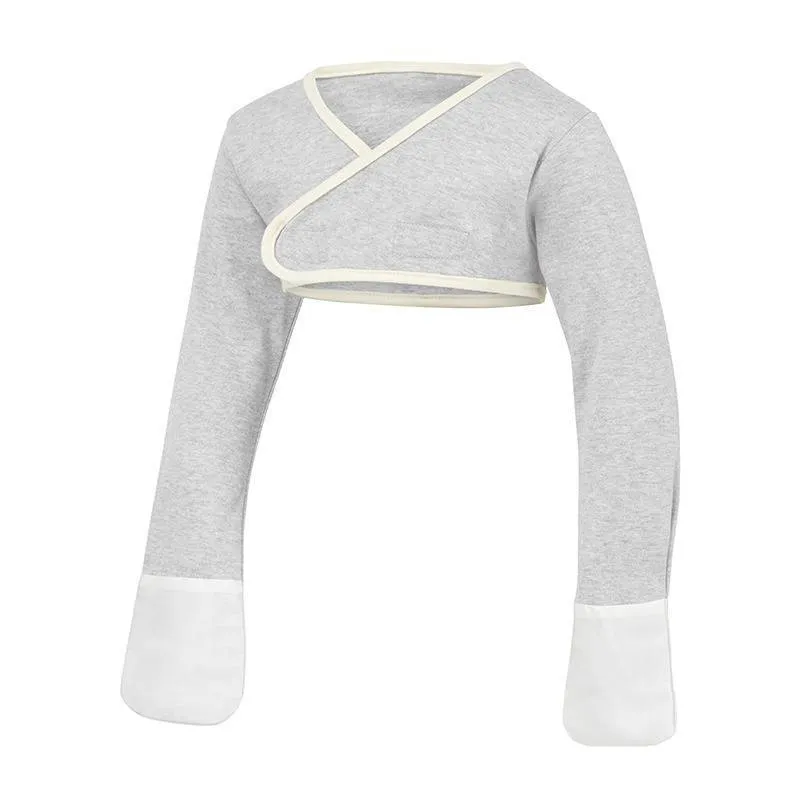
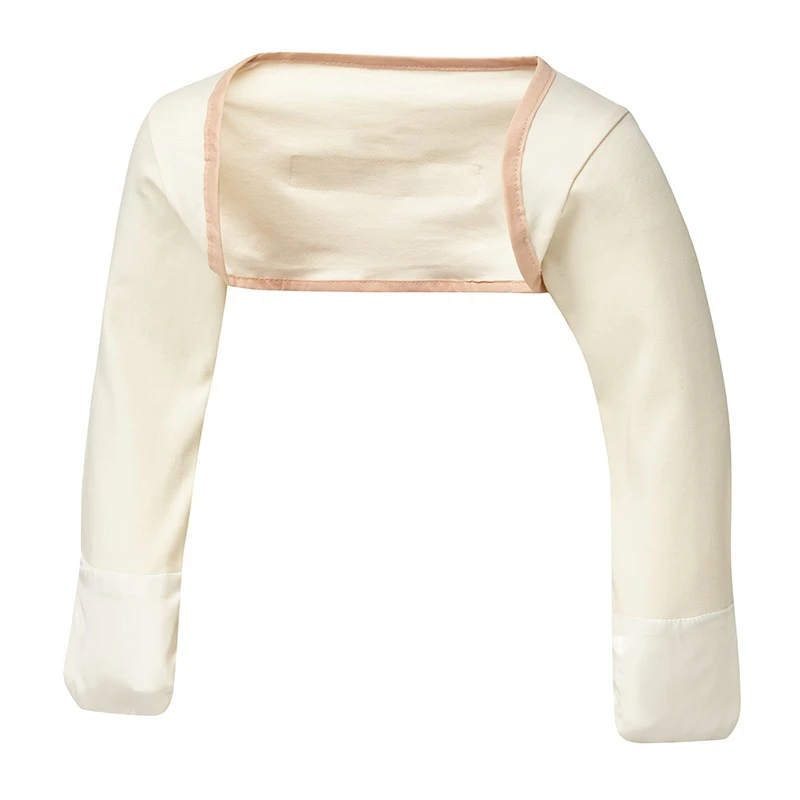
As well as sharing our experience of bringing up an eczema child (and favourite allergy-friendly recipes), we also manufacture and sell our unique stay-on scratch mitts and PJs for itchy babies, toddlers and children. We now stock sizes from 0-adult years in a range of colours and designs.
Perfect for wrigglers


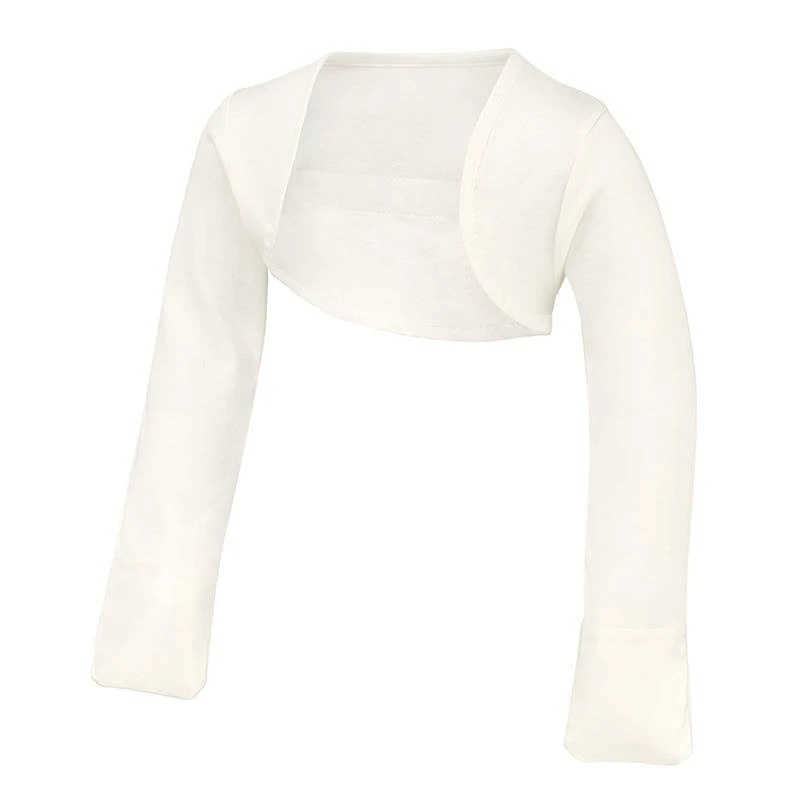
SuperSensitive

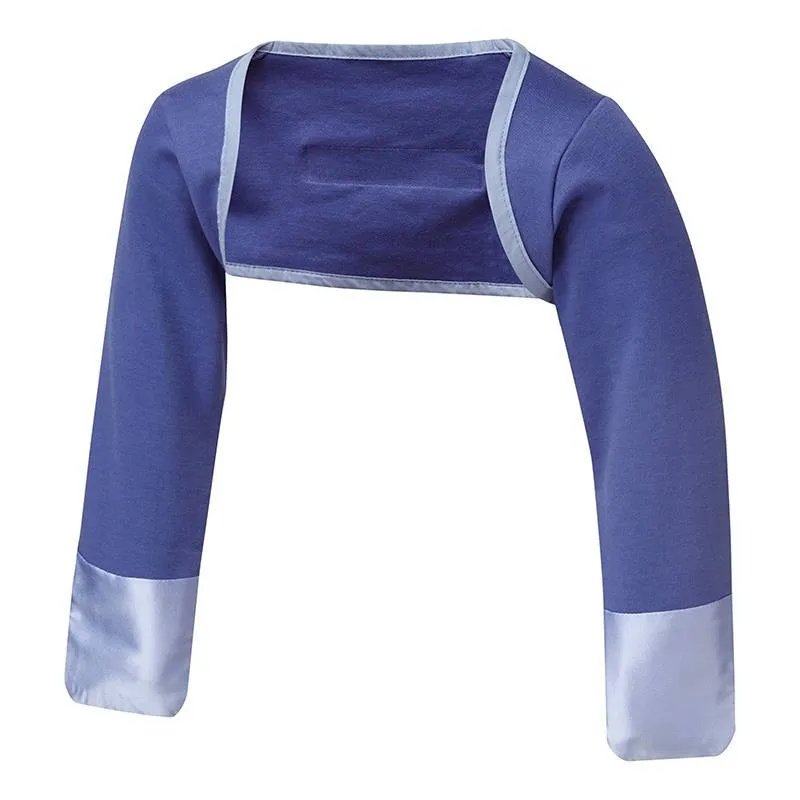
Special Edition


As seen on TikTok
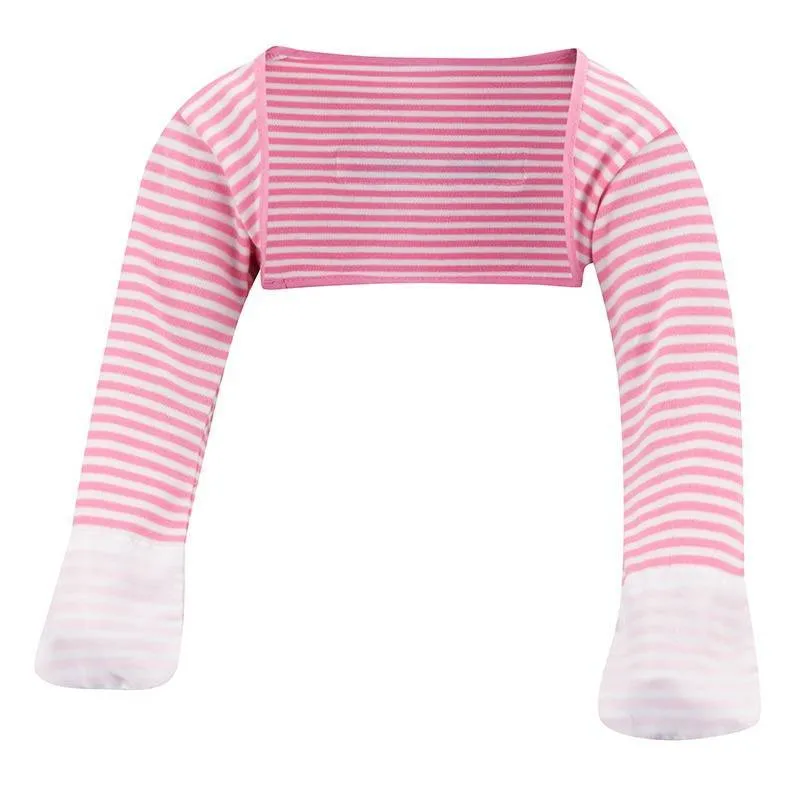
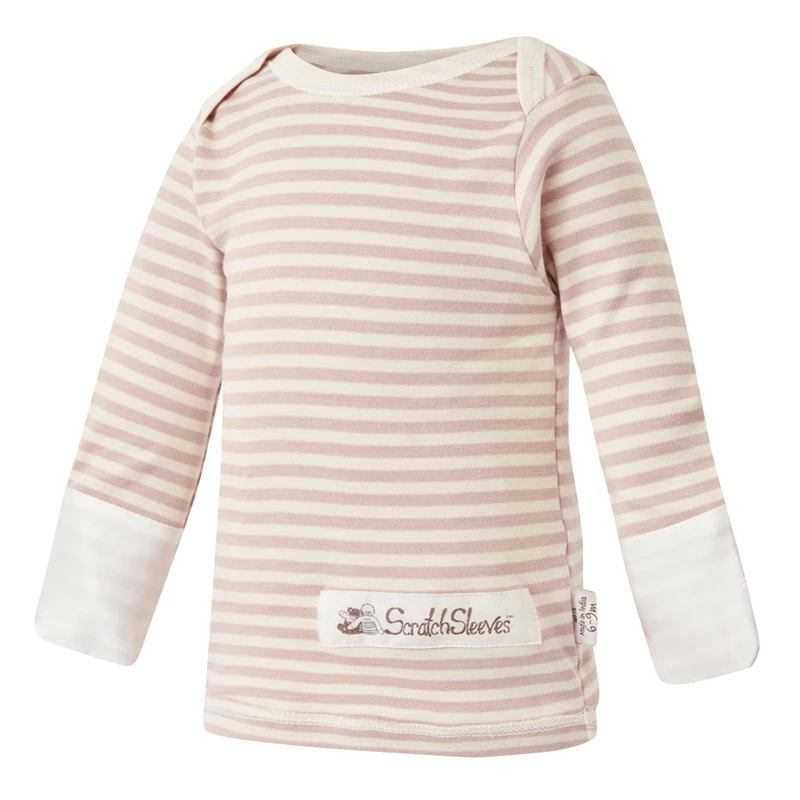
Striped PJ Tops


Perfect for wrigglers
SuperSensitive
Special Edition
As seen on TikTok
Striped PJ Tops