We've updated our website. Please let us know if you come across any glitches.

Key Takeaways
Eating is a vital part of children’s growth and development and ensuring the correct consumption of nutrients is essential. Unfortunately, this can be more of a challenge for children who suffer from eczema. Around 30% of eczema sufferers also have some sort of food allergy. While there is plenty of advice about what not to feed your eczema child, there is far less information available about what foods and nutrients parents can feed their little ones to help manage eczema. ScratchSleeves gives you the low down on the best foods for your children to help ensure a more manageable experience of eczema…
Great news, this ‘go to’ weaning fruit is also great for eczema in most kids. Bananas contain high levels of inflammation-fighting potassium. The high levels of potassium also mean that bananas are an alkaline fruit. A more alkaline diet is thought to support liver function, which is typically weak in babies and toddlers. Find out more about supporting your child’s liver here.
While bananas contain some amines, which can aggravate itching in some people, they also contain amine reducing magnesium and vitamin C. If your little one’s skin does appear to react to bananas, they may be sensitive to amines, find out more about chemical intolerances here.
Another great fruit for both weaning and eczema. Papaya has been traditionally used in the treatment of various ailments including inflammatory conditions. It is rich in anti-inflammatory antioxidants; vitamin C, a natural antihistamine; and papain. Papain is an enzyme associated with reducing pain, inflammation and swelling. Early scientific studies suggests that papain does indeed help reduce inflammation with one study suggesting that it could work as well as or better than some anti-inflammatory drugs.
Papaya and apple puree is a great first food as apples are rich in the anti-inflammatory flavonoid, quercetin (read more about the benefits of flavonoids here. Golden Delicious apples have lower levels of salicylates than other varieties. A melon-baller creates bright orange chunks of papaya for a fun finger food (avoid skin and seeds, the seeds can have a strong laxative effect). If you can’t find papaya, pawpaw is a good substitute.
Like bananas, papaya and pawpaw contain amines but also plenty of vitamin C which should neutralise this risk for all but those most sensitive to amines. Both are low in salicylates, you can read more about salicylates and chemical intolerances here.
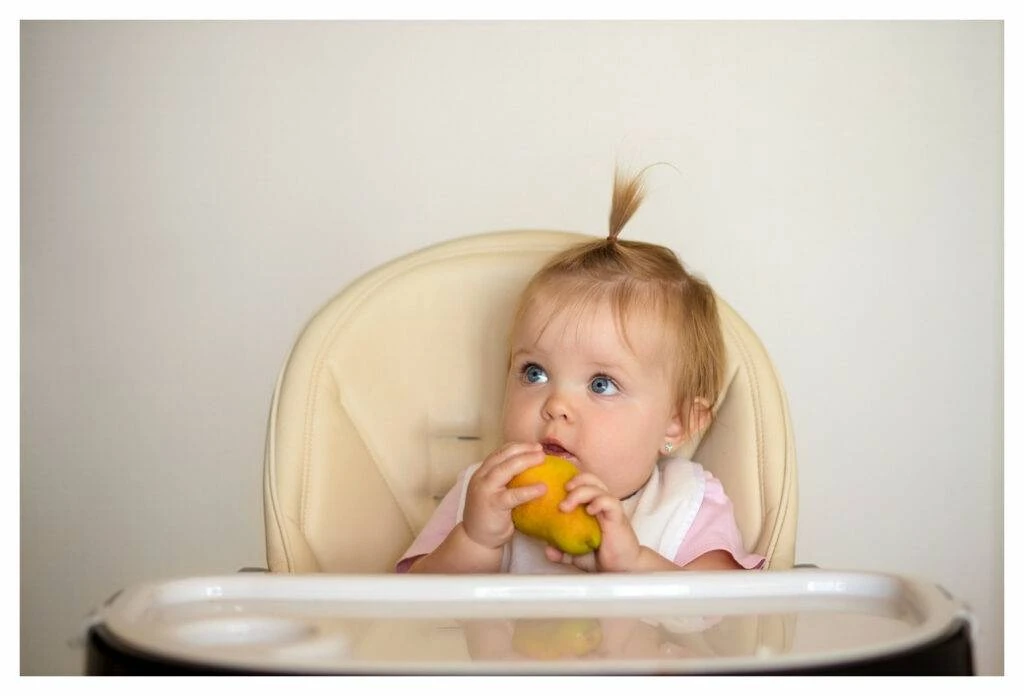
Pear puree was my eczema boy’s absolute favourite dish when he first started eating solid foods. Pears contain good levels of both vitamin K, which is used to help reduce the redness and swelling of inflammation; and, vitamin C which is useful in supporting liver function. They also have high levels of anti-inflammatory flavonoids, especially quercetin and kaempferol.
Pears contain low levels of salicylates which can aggravate eczema. They are also one of the few low acid fruits, eating low acid foods is thought to support good liver function. You can read more about the importance of good liver function for eczema sufferers here.
While potatoes can be an eczema trigger in very rare instances, they are also a great source of vitamins and minerals including: vitamin C, vitamin B6 and magnesium (all good for liver function); potassium which fights inflammation and aids healing; and antioxidants. You can read more about good vitamins for eczema here.
Potatoes should be peeled as the skin contains salicylates, a chemical that can aggravate eczema. That said, if you are also an eczema sufferer, you may find that the ‘potato juice’ aggravates your own eczema and peeling isn’t an option. In which case, cooking potatoes in their jackets is a practical solution. While you can buy peeled potatoes, these always have added preservatives which are known to aggravate eczema in around half of eczema sufferers.
Fish contains a range of different nutrients including omega-3, protein, and vitamin D. Omega-3 fatty acids reduce inflammation by inhibiting the production of inflammatory substances, such as leukotriene B4, which are known to play a role in eczema. Vitamin D helps to manage immune responses within the body such as inflammation as well as to promote a stronger skin barrier. Salmon is a great, child-friendly fish with minimal risk of bones. It is also a great source of omega-3. Cod and pollock, typically fish finger ingredients, have much lower omega-3 levels. Read more about the importance of Omega 3 here.
While fish allergy is possible, it is relatively rare (less than 1 in 1000) and symptoms are typically oral although it can also affect the skin. Some fish, including salmon, sardines and trout, have high levels of amines. These naturally occurring chemicals can aggravate eczema, so you’ll need to keep an eye on your little one’s skin. Hake, herring and bream all have low levels of amines. Amines increase over time, so make sure your fish is either frozen at sea or as fresh as possible.
Oats are well known as a great source of dietary fibre, but they are also a good source of Vitamin E, zinc, potassium, iron, manganese and silica. The vitamin E found in oats is an antioxidant that provides anti-inflammatory properties. Studies indicate that low zinc levels are commonly associated with eczema suggesting that improving zinc levels may reduce eczema symptoms. Potassium helps in reducing inflammation and supports liver function.
Oats also have the great advantage that they will keep your child feeling full for longer, reducing the risk of unhealthy snacking (and maybe pestering for said un-healthy snacks).
As well as being rich in anti-inflammatory antioxidants, beetroot also contains high levels of betaine. Betaine aids in liver function, detoxification and cellular functioning within the body. It has also been shown to protect against fatty liver, a condition found in around a third of eczema children (see our post about liver health for more information). Beetroots are also an alkalising vegetable, supporting liver function. To gain this benefit you should avoid beetroots packed in vinegar as the acidic vinegar neutralises the alkalising effect.
As well as being rich in anti-inflammatory antioxidants, beetroot also contains high levels of betaine. Betaine aids in liver function, detoxification and cellular functioning within the body. It has also been shown to protect against fatty liver, a condition found in around a third of eczema children (see our post about liver health for more information). Beetroots are also an alkalising vegetable, supporting liver function. To gain this benefit you should avoid beetroots packed in vinegar as the acidic vinegar neutralises the alkalising effect.
The strong colours of beetroot can also make it a really fun, if messy, food for toddlers to experience. Beetroot and carrot puree is a great place to start and ABC juice (apple, beetroot and carrot) is a colourful, eczema friendly alternative to traditional fruit juices.
However, beetroot does contain moderate levels of salicylates. If your little one’s skin eczema seems to be aggravated by beetroot, they may be sensitive to them.
Spring onions are a good source of vitamin K. Vitamin K is a strong antioxidant and has also been shown to be important in tissue renewal and cell growth. Spring onions (and to a lesser extent garlic) also contain flavonoids that convert to allicin when cut or crushed. Early research suggests that allicin is helpful in supporting good liver function, enabling the liver to process fats effectively. Allicin is destroyed by cooking, so spring onions are best eaten raw. Finely chopped, they make a great, crunchy garnish or you can use them as crudites with dips.
Mung bean sprouts are high in potassium and so are strongly alkalising, supporting liver function. They also contain vitamin K, vitamin C and magnesium. Magnesium helps to decrease stress and anxiety, which can aggravate eczema. It is important in the production of lipids, the oils responsible for maintaining the skin barrier. Magnesium also suppresses the production of histamines, another eczema aggravator.
While you can buy mung bean sprouts, it’s much more fun (and cheaper) to sprout them at home. You can find instructions here.
The Calm Skin Guide
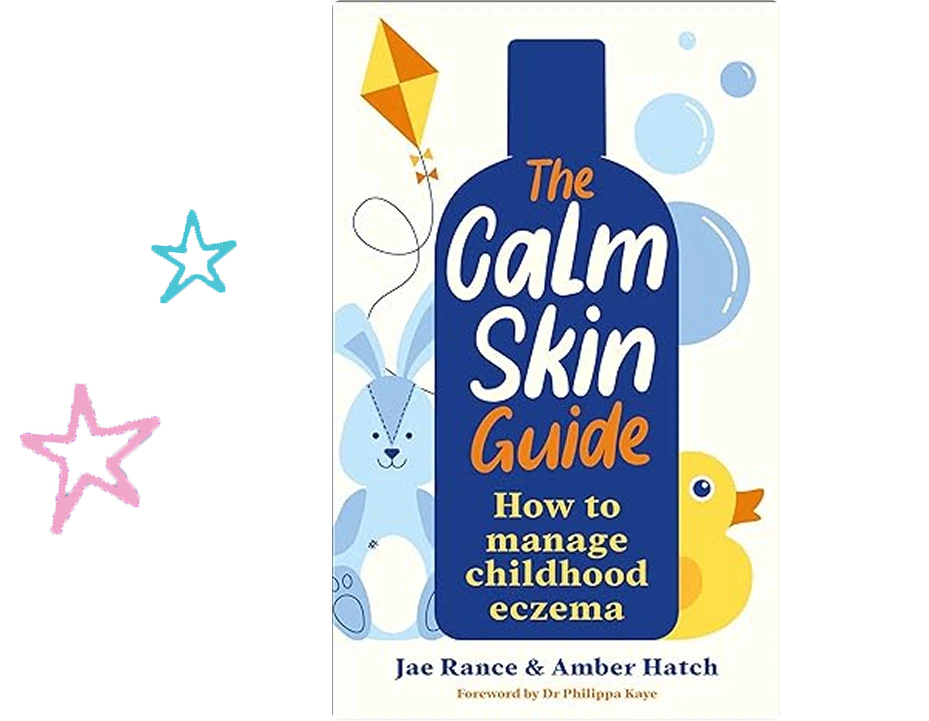
Our guide gives parents the knowledge and tools to manage the condition, from understanding treatments to identifying triggers at home.
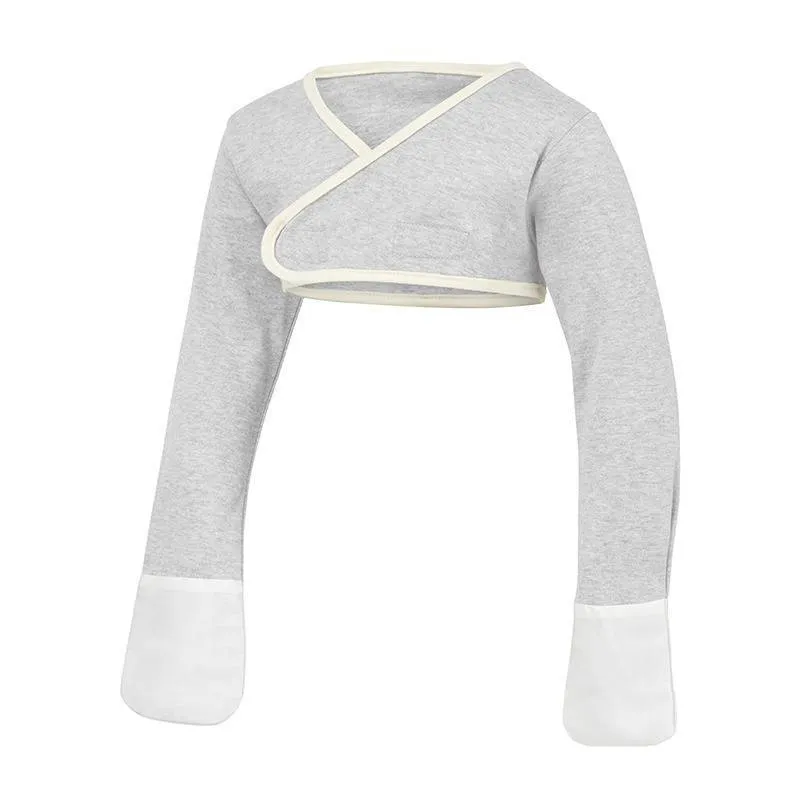
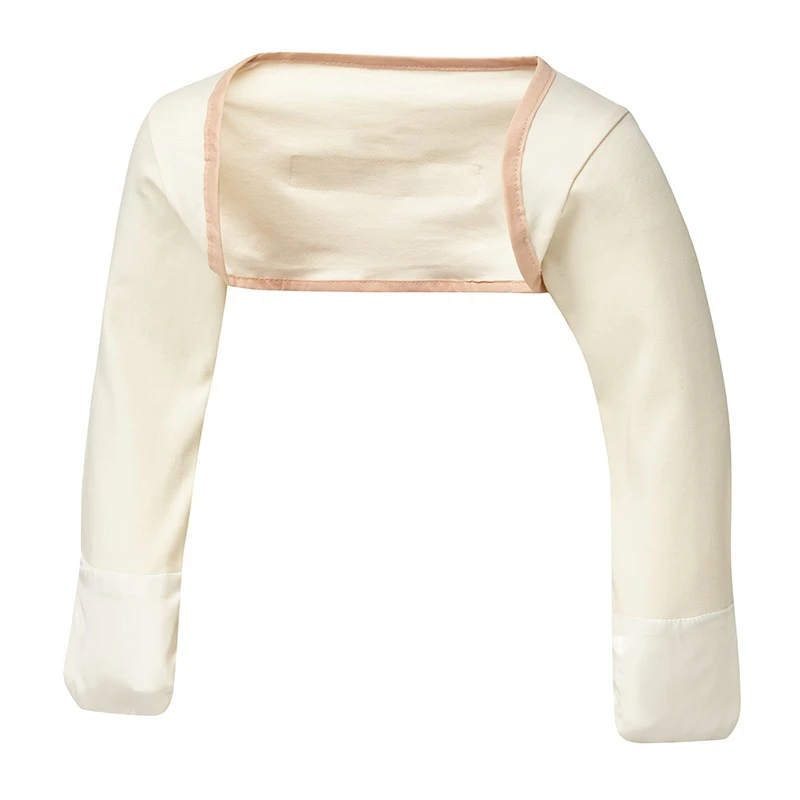
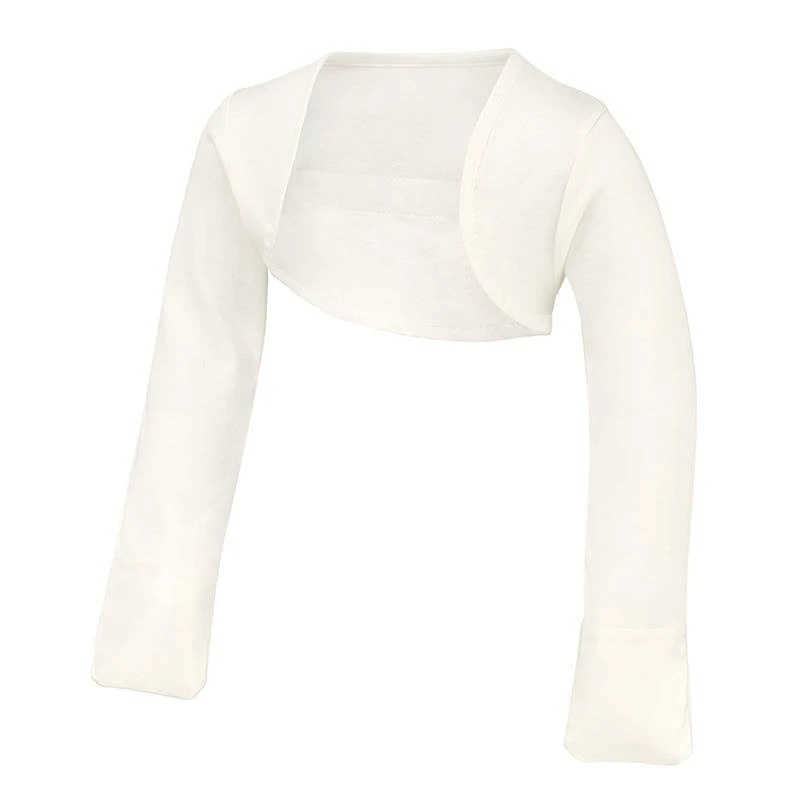
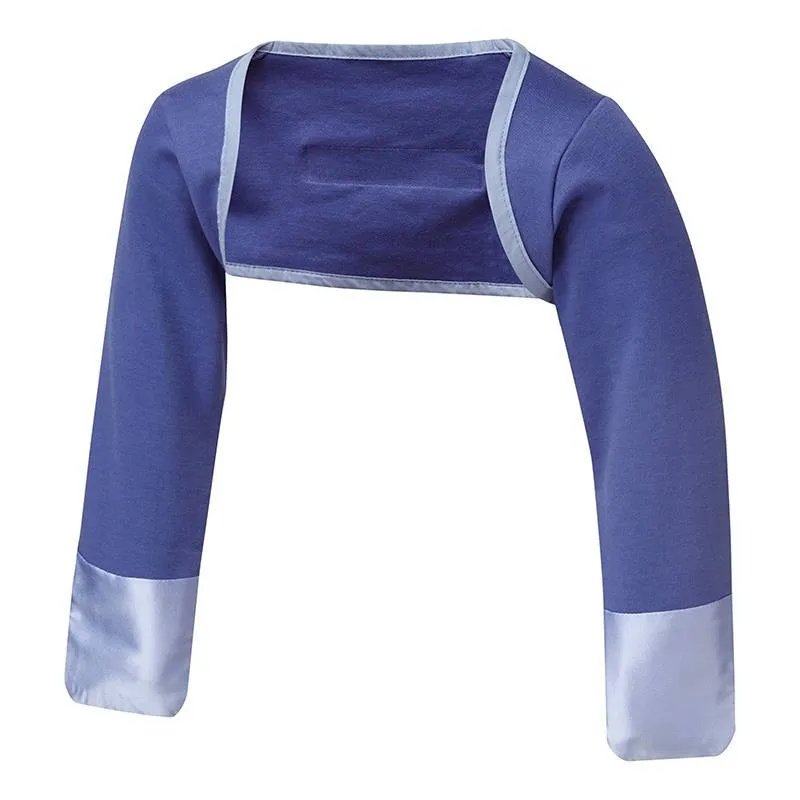
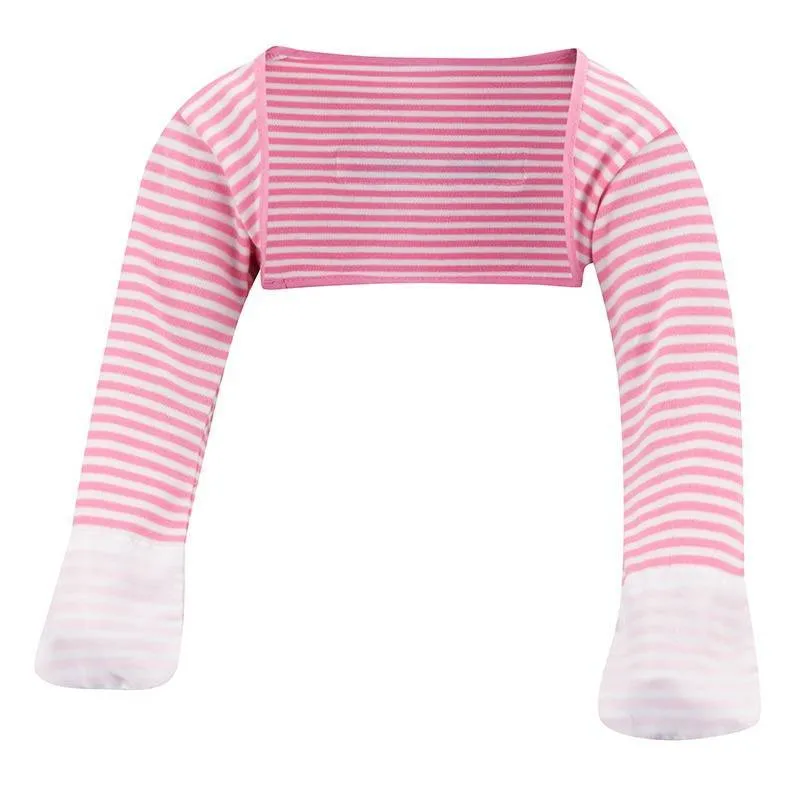
As well as sharing our experience of bringing up an eczema child (and favourite allergy-friendly recipes), we also manufacture and sell our unique stay-on scratch mitts and PJs for itchy babies, toddlers and children. We now stock sizes from 0-adult years in a range of colours and designs.
Perfect for wrigglers


SuperSensitive

Special Edition


As seen on TikTok
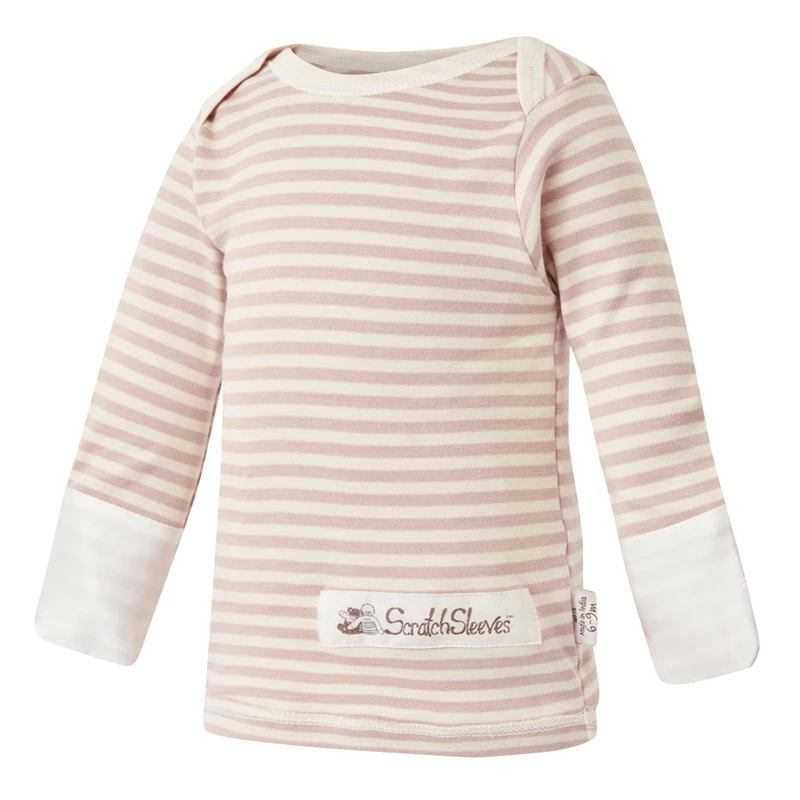
Striped PJ Tops


Perfect for wrigglers
SuperSensitive
Special Edition
As seen on TikTok
Striped PJ Tops